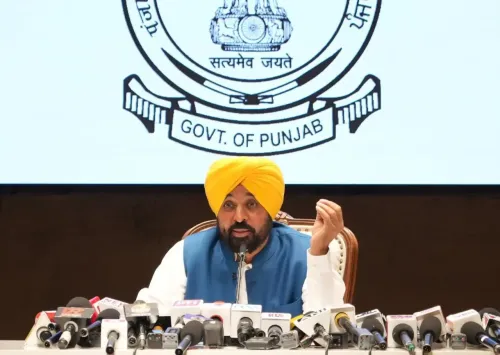
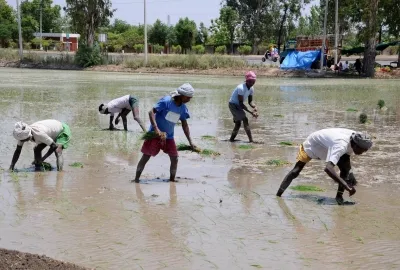
Punjab CM Bhagwant Mann kicks off paddy transplant Phase 1

Synopsis
Punjab has launched Phase 1 of paddy transplantation on June 1, 2026, with Phase 2 on June 5 and Phase 3 on June 9. CM Bhagwant Mann has directed authorities to ensure eight hours of uninterrupted daytime electricity and canal water supply to farmers across the state.
Key Takeaways
Phase 1 of paddy transplantation in Punjab began on June 1, 2026 .
Phase 2 is scheduled for June 5 and Phase 3 for June 9 .
CM Bhagwant Mann has directed officials to provide 8 hours of uninterrupted daytime electricity during the transplant window.
Canal water supply has also been ordered to accompany the power commitment.
The phased schedule is rooted in the Punjab Preservation of Subsoil Water Act, 2009 , aimed at protecting groundwater.
PSPCL and the Punjab Irrigation Department are the key agencies responsible for delivery.
The Chief Minister's Office of Punjab announced on Monday, June 1, 2026, that the first phase of paddy transplantation has begun across the state, with two more phases to follow in quick succession over the coming days.
In a post on X, the CMO stated: 'ਅੱਜ ਤੋਂ ਸੂਬੇ 'ਚ ਝੋਨਾ ਲਗਾਉਣ ਦੇ ਪਹਿਲੇ ਪੜਾਅ ਦੀ ਸ਼ੁਰੂਆਤ ਹੋਈ ਹੈ' ['Today marks the start of the first phase of paddy transplantation in the state']. The second phase is scheduled to begin on June 5 and the third on June 9.
Context
Chief Minister Bhagwant Mann has directed the relevant authorities to ensure eight hours of uninterrupted daytime electricity supply as well as canal water supply to support farmers during the transplantation window. The directive is aimed at easing agricultural operations across Punjab's paddy belt as the kharif season gets under way. The three-phase rollout is a structured administrative mechanism designed to stagger transplantation activity across districts, preventing a sudden surge in power and water demand on any single day.Policy Backdrop
Punjab has regulated paddy transplantation dates for over a decade under the Punjab Preservation of Subsoil Water Act, 2009, which mandates notified sowing windows to curb groundwater depletion caused by early transplantation. Farmers who sow early tend to rely more heavily on tubewell irrigation, accelerating the decline of the water table in central Punjab districts that are already classified as critically over-exploited. Annual government notifications since 2010 have enforced phased transplant schedules, with compliance monitored by agriculture and revenue officials. The current three-phase structure fits within this long-standing policy framework.Stakeholders and Impact
The directive directly affects millions of paddy farmers who depend on the Punjab State Power Corporation Limited (PSPCL) for subsidised tubewell power and on the Punjab Irrigation Department for canal water supply during the critical transplantation window. Assured daytime power availability reduces farmers' dependence on costly diesel pumps and discourages unauthorised early sowing. Canal water supply, managed by the Punjab Irrigation Department, supplements groundwater use and is considered essential to protecting the state's rapidly depleting aquifers. The combination of phased scheduling and guaranteed supply is intended to bring order to what is otherwise one of the most resource-intensive agricultural operations in the state.What's Next
District agriculture officers will be responsible for enforcing the phase-wise schedule on the ground. Daily power availability reports from PSPCL will be closely watched to assess whether the eight-hour commitment is being met. Any deviation in monsoon rainfall from normal could prompt mid-season adjustments to the transplantation schedule or water allocation plan. With groundwater levels continuing to fall in several districts, the Punjab government's ability to maintain discipline in transplantation timing while delivering on its power and water supply promises will be a key test of administrative coordination this kharif season.Point of View
CM Bhagwant Mann is signalling both administrative seriousness and political attentiveness to the farming constituency ahead of the kharif season. The AAP government's credibility on the power-supply promise will hinge on PSPCL's on-ground delivery, particularly in districts with ageing rural feeders. If the schedule holds and supply commitments are met, it could serve as a template for more disciplined resource management in future seasons.
NationPress
22 Oct 2026
Frequently Asked Questions
When does paddy transplantation start in Punjab in 2026?
Phase 1 of paddy transplantation in Punjab began on June 1, 2026 . Phase 2 is set for June 5 and Phase 3 for June 9 .
Why is paddy transplantation done in phases in Punjab?
Punjab staggers transplantation to prevent a sudden surge in electricity and water demand and to protect rapidly depleting groundwater, as mandated by the Punjab Preservation of Subsoil Water Act, 2009 .
How many hours of electricity will Punjab farmers get during paddy season?
CM Bhagwant Mann has directed authorities to provide 8 hours of uninterrupted daytime electricity to farmers during the paddy transplantation period.
What is the role of PSPCL during paddy season in Punjab?
PSPCL (Punjab State Power Corporation Limited) is responsible for maintaining electricity supply on rural agricultural feeders, ensuring farmers can run tubewells without resorting to diesel pumps.
What law governs paddy transplantation dates in Punjab?
The Punjab Preservation of Subsoil Water Act, 2009 mandates notified transplantation windows to curb early sowing, which depletes groundwater levels in the state.