Punjab CM Office: Paddy Transplant in 3 Phases, 8-Hr Power Assured

Synopsis
The Punjab government has announced paddy transplantation in three phases starting June 1, 5, and 9, promising eight hours of uninterrupted power and assured canal water to farmers — extending a decade-long policy of staggered schedules to protect groundwater and ease grid pressure during the kharif season.
Key Takeaways
The Chief Minister's Office of Punjab announced paddy transplantation in three phases commencing June 1, 5, and 9, 2026 .
Farmers will receive 8 hours of uninterrupted power supply during the transplantation period.
Assured canal water facilities will be provided alongside electricity throughout each phase.
The phased model is designed to spread peak demand on Punjab's power grid and canal network .
The policy builds on the Punjab Preservation of Subsoil Water Act, 2009 , which restricted early transplantation to conserve groundwater.
Actual delivery of power and canal commitments across all three phases will be the key measure of success.
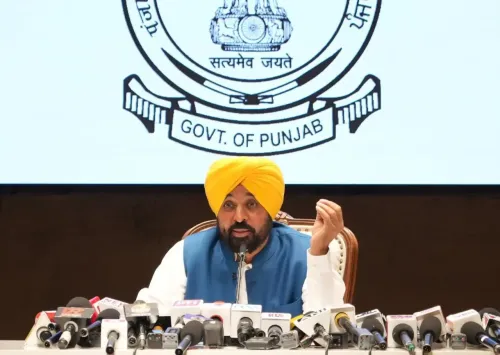
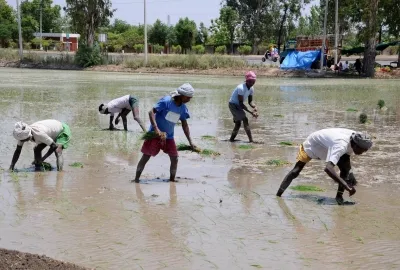
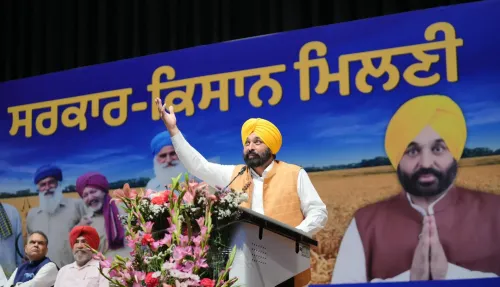
The Chief Minister's Office of Punjab announced on Saturday, May 23, 2026, that the state government has extended significant relief to farmers ahead of the paddy season, scheduling transplantation across three staggered phases beginning June 1, 5, and 9, with a guarantee of eight hours of uninterrupted power supply and assured canal water during each phase.
Context
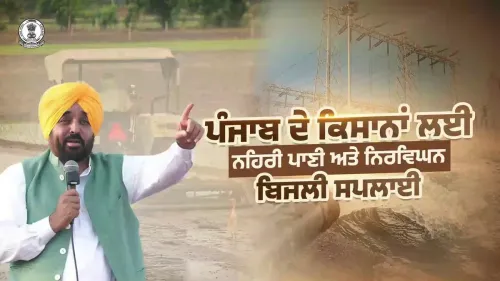
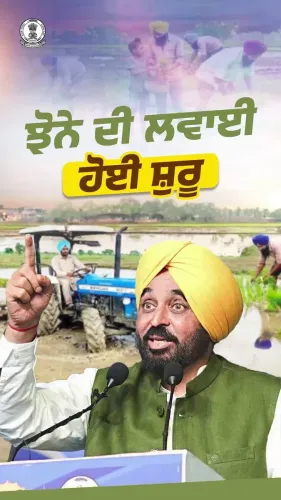
The announcement, made in both Punjabi and English, states that ਝੋਨੇ ਦੀ ਲਵਾਈ 3 ਫੇਜ਼ਾਂ ਵਿੱਚ ਕਰਵਾਈ ਜਾਵੇਗੀ ('paddy transplantation will be carried out in three phases'). Farmers will receive both uninterrupted electricity and canal water facilities during the transplantation window. The phased rollout is designed to spread peak-season demand on the state's power grid and canal network.
Punjab is one of India's foremost contributors to national rice and wheat production, and its agricultural calendar is closely watched by both state administrators and central food-security planners. The paddy transplantation window — concentrated in June and July — places the heaviest simultaneous load on rural electricity feeders and canal rotations.
Policy Backdrop
The three-phase model builds directly on the Punjab Preservation of Subsoil Water Act, 2009, which restricted early paddy transplantation to curb rampant groundwater extraction. Decades of the wheat-paddy cycle have caused a measurable decline in the state's water table, making surface canal water a critical supplement to tube-well irrigation. Staggering transplantation dates reduces the simultaneous draw on both groundwater and canal supplies.
Punjab governments have repeatedly used phased transplantation schedules and guaranteed rural power windows to manage this seasonal stress. The current announcement extends that administrative tradition into the 2026 kharif season, with the explicit addition of an eight-hour uninterrupted supply commitment — a metric farmers and agriculture unions have long demanded as a minimum operational standard.
Stakeholder Impact
Paddy farmers across Punjab stand to benefit most directly. A reliable eight-hour power window allows farmers to run irrigation pumps on a predictable schedule, reducing crop stress and lowering the cost of diesel-run backup pumps. Assured canal water further reduces dependence on groundwater, offering both cost relief and longer-term aquifer conservation.
The phased start dates — June 1, 5, and 9 — mean different districts or farm categories will begin transplantation on different days, smoothing out the spike in electricity and water demand that typically strains the grid in the first fortnight of June. Power distribution companies and the irrigation department will be the key operational agencies responsible for delivering on the stated commitments.
What's Next
The critical test will be actual on-ground delivery: whether farmers in all three phases receive the promised eight hours of uninterrupted supply and timely canal rotations through the June–July 2026 transplantation window. Any shortfall is likely to draw immediate responses from farmer unions and opposition parties. The power and irrigation departments may issue phase-wise operational schedules in the coming days to operationalise the announcement.
Point of View
And successive governments have used phased schedules to manage the same seasonal crunch. What distinguishes the 2026 announcement is the explicit, public eight-hour power guarantee, which raises the accountability bar: farmers and opposition parties now have a specific, measurable benchmark to hold the administration to. The dual promise of electricity and canal water also signals that the government is trying to address both urban grid stability and rural groundwater depletion simultaneously, a politically and administratively complex balancing act. Whether the power distribution and irrigation machinery can operationalise these commitments uniformly across all three phases will define the announcement's real policy weight.
NationPress
29 Jul 2026
Frequently Asked Questions
When will paddy transplantation start in Punjab in 2026?
Paddy transplantation in Punjab in 2026 will begin in three phases on June 1, June 5, and June 9 , as announced by the Chief Minister's Office.
How many hours of electricity will Punjab farmers get during paddy season?
The Punjab government has promised 8 hours of uninterrupted power supply to farmers during the paddy transplantation period.
Why is paddy transplantation done in phases in Punjab?
Phased transplantation spreads peak demand on Punjab's electricity grid and canal network , and also helps conserve groundwater — a key concern since the Punjab Preservation of Subsoil Water Act, 2009 restricted early transplantation.
Will canal water be available during paddy transplantation in Punjab 2026?
Yes, the Punjab government has assured canal water facilities alongside uninterrupted power supply for farmers during all three transplantation phases.
What is the Punjab Preservation of Subsoil Water Act?
The Punjab Preservation of Subsoil Water Act, 2009 restricts early paddy transplantation in the state to reduce groundwater extraction, as the wheat-paddy cycle has caused significant decline in Punjab's water table over the decades.