Punjab CM Bhagwant Mann Govt Pushes Water Conservation, Flood Safety
Synopsis
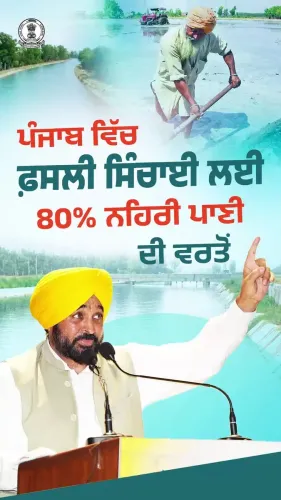
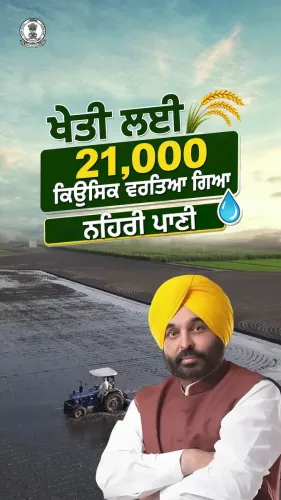
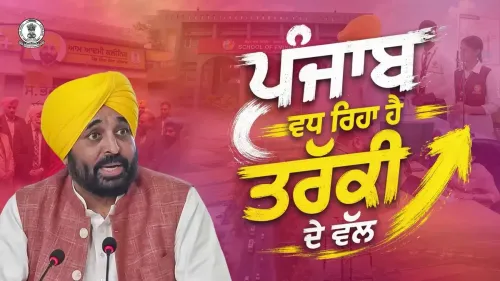
The Chief Minister's Office of Punjab says the Bhagwant Mann government is continuously working on water conservation, farmer welfare, and large-scale flood prevention — a three-pronged push ahead of the 2026 monsoon season in one of India's most water-stressed agricultural states.
Key Takeaways
The Chief Minister's Office of Punjab confirmed on 23 May 2026 that the state government is actively working on water conservation, farmer welfare, and flood prevention.
Chief Minister Bhagwant Mann (Aam Aadmi Party) has led the Punjab government since March 2022 , with agriculture as a stated priority.
Punjab faces one of India's fastest groundwater depletion rates due to intensive paddy cultivation, compounding the need for conservation measures.
Flood risk is concentrated along the Sutlej and Beas river corridors, where desilting and embankment work form part of the state's standard pre-monsoon response.
The earlier 'Paani Bachao, Paise Kamao' scheme offered cash incentives to farmers to reduce groundwater extraction, establishing a policy precedent for demand-side conservation.
Budget allocations for irrigation and flood management, and crop diversification guidelines ahead of the 2026 kharif season, remain key indicators to watch.
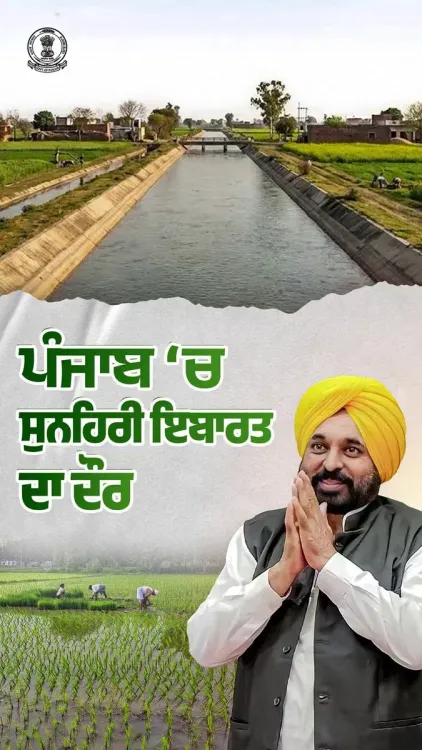
The Chief Minister's Office of Punjab announced on Saturday, 23 May 2026 that the state government, led by Chief Minister Bhagwant Mann, is actively working on water conservation, farmer welfare, and large-scale flood prevention measures across the state.
The official post, shared in Punjabi, states: 'ਮੁੱਖ ਮੰਤਰੀ @BhagwantMann ਦੀ ਅਗਵਾਈ ਵਾਲੀ ਪੰਜਾਬ ਸਰਕਾਰ ਸੂਬੇ ਵਿੱਚ ਪਾਣੀ ਦੀ ਸੰਭਾਲ ਅਤੇ ਕਿਸਾਨਾਂ ਦੀ ਭਲਾਈ ਲਈ ਨਿਰੰਤਰ ਕੰਮ ਕਰ ਰਹੀ ਹੈ' — ['The Punjab government led by Chief Minister Bhagwant Mann is continuously working for water conservation and farmer welfare in the state, and in addition, large-scale work is also ongoing for flood prevention.']
Context
Punjab is among India's most agriculturally intensive states, with wheat and paddy cultivation forming the backbone of its rural economy. Decades of paddy farming have placed severe pressure on the state's groundwater table, making Punjab one of the fastest-depleting aquifer zones in the country. The dual challenge of groundwater depletion and seasonal flooding has long demanded simultaneous government attention.
Chief Minister Bhagwant Mann, who assumed office in March 2022 representing the Aam Aadmi Party, has consistently positioned agriculture and anti-corruption reforms as central to his administration's agenda. Water security sits at the intersection of both farmer welfare and long-term agrarian sustainability.
Policy Backdrop
Water conservation efforts in Punjab have a documented policy history. The earlier 'Paani Bachao, Paise Kamao' ('Save Water, Earn Money') scheme, expanded in 2019, offered direct cash incentives to farmers who reduced groundwater extraction — a demand-side measure aimed at reversing aquifer decline. Successive administrations have paired such incentive programmes with physical infrastructure works including canal lining, embankment reinforcement, and river desilting.
Flood risk in Punjab is concentrated along the Sutlej and Beas river corridors, where silted riverbeds and shifting monsoon intensity have repeatedly inundated low-lying districts. The CMO's reference to 'large-scale work' for flood prevention aligns with this established pattern of infrastructure-led intervention ahead of the kharif season.
Stakeholders and Impact
The primary beneficiaries of these initiatives are Punjab's farming communities and rural households, who bear the most direct consequences of both groundwater scarcity and monsoon flooding. Farmers dependent on tube-well irrigation face rising input costs as water tables fall, while those in flood-prone districts risk crop losses and displacement every monsoon season.
Water conservation measures, if effective, can reduce electricity subsidies linked to groundwater pumping — a significant fiscal consideration for the state government. Flood preparedness works, meanwhile, protect standing kharif crops and rural infrastructure in vulnerable districts along the state's major rivers.
What's Next
Attention will now turn to the Punjab government's budget allocations for irrigation and flood management in the current fiscal year, and to any specific guidelines on crop diversification issued ahead of the 2026 kharif sowing season. Concrete announcements on project timelines, expenditure, or new scheme launches would give clearer shape to the broad commitment signalled in today's post. With the monsoon approaching, the pace and scale of ongoing flood-prevention works across the Sutlej and Beas belts will be closely watched by farmers and district administrations alike.
Point of View
Which is a common pattern for state governments signalling administrative activity ahead of monsoon season. For the Mann government, foregrounding water conservation and farmer welfare simultaneously serves both a governance and a political purpose — the Aam Aadmi Party's Punjab mandate rests heavily on rural support, and visible pre-monsoon preparedness helps reinforce that compact. The pairing of groundwater conservation with flood prevention also reflects the structural paradox Punjab faces: the state is simultaneously water-scarce and flood-prone, demanding policies that address both extremes of the hydrological cycle. Whether today's signal translates into measurable on-ground action will depend on the specificity of forthcoming budget and scheme announcements.
NationPress
21 Sept 2026
Frequently Asked Questions
What is the Punjab government doing for water conservation in 2026?
The Chief Minister's Office of Punjab stated on 23 May 2026 that the Bhagwant Mann government is continuously working on water conservation and farmer welfare, though specific project names or budgets were not detailed in the announcement.
What is the 'Paani Bachao, Paise Kamao' scheme in Punjab?
'Paani Bachao, Paise Kamao' ('Save Water, Earn Money') is a Punjab government scheme that offers cash incentives to farmers who reduce groundwater extraction, expanded in 2019 to address the state's rapid aquifer depletion caused by intensive paddy farming.
Why is Punjab at risk of both water scarcity and flooding?
Punjab's intensive rice and wheat cultivation has severely depleted underground aquifers, while silted riverbeds along the Sutlej and Beas and changing monsoon patterns have increased flood risk — creating a dual water challenge that successive governments have tried to address simultaneously.
Who is the Chief Minister of Punjab in 2026?
Bhagwant Mann of the Aam Aadmi Party is the Chief Minister of Punjab, having taken office in March 2022 after the party's landslide victory in the state assembly elections.
Which areas of Punjab are most flood-prone?
Districts along the Sutlej and Beas river corridors are most vulnerable to flooding in Punjab, where silted rivers and heavy monsoon rainfall have repeatedly caused inundation of agricultural land and rural settlements.