CM Bhagwant Mann: Sacrilege Law Protects Guru Granth Sahib
Synopsis
Punjab Chief Minister Bhagwant Mann declared on 23 June 2026 that the state's anti-sacrilege law is safeguarding the honour of Sri Guru Granth Sahib Ji, and expressed personal gratitude with humility for the opportunity to serve in this cause.
Key Takeaways
Bhagwant Mann stated on 23 June 2026 that Punjab's sacrilege law is actively protecting the honour of Sri Guru Granth Sahib Ji .
The Chief Minister expressed personal reverence and gratitude to Guru Sahib for the service rendered through this legislation.
The demand for such a law arose from sacrilege incidents in 2015 that triggered widespread protests across Punjab .
The Aam Aadmi Party government has consistently highlighted enforcement of sacrilege-related laws as a governance priority since taking power in March 2022 .
The Sikh community remains the primary stakeholder, and enforcement outcomes will be closely watched by religious bodies and opposition parties.
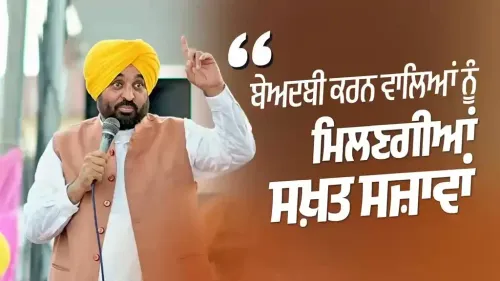
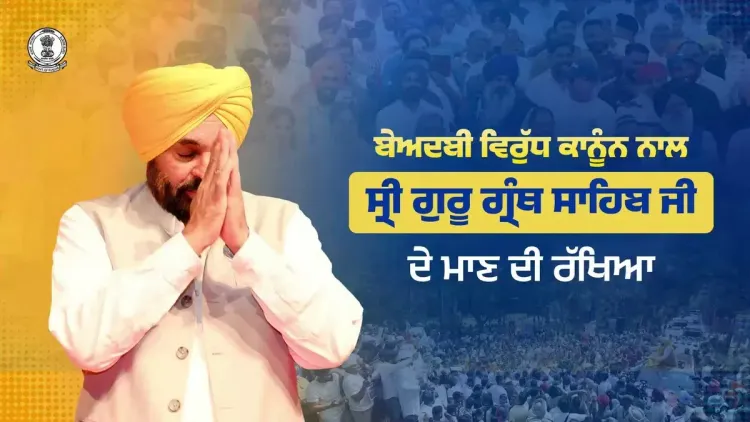
The Chief Minister's Office of Punjab, on behalf of Chief Minister Bhagwant Mann, stated on Tuesday, 23 June 2026 that the law enacted to prevent desecration of religious scriptures is actively safeguarding the honour of Sri Guru Granth Sahib Ji. Mann expressed his gratitude with humility, bowing in reverence before the Guru Sahib for the opportunity to undertake this service.
Context
The post, shared in Punjabi, quotes Chief Minister Mann as saying: 'ਧਾਰਮਿਕ ਗ੍ਰੰਥਾਂ ਦੀ ਬੇਅਦਬੀ ਨੂੰ ਰੋਕਣ ਲਈ ਬਣਾਏ ਗਏ ਕਾਨੂੰਨ ਨਾਲ ਸ੍ਰੀ ਗੁਰੂ ਗ੍ਰੰਥ ਸਾਹਿਬ ਜੀ ਦੇ ਮਾਣ ਦੀ ਰੱਖਿਆ ਕੀਤੀ ਜਾ ਰਹੀ ਹੈ' ('The law made to prevent sacrilege of religious scriptures is protecting the honour of Sri Guru Granth Sahib Ji'). He added that he bows his head in gratitude to Guru Sahib for this service rendered in their name. The statement signals the state government's continued public commitment to enforcing sacrilege-related legislation.
Policy Backdrop
The demand for a robust legal framework against desecration of the Guru Granth Sahib has deep roots in Punjab's recent history. Incidents of sacrilege in 2015 triggered widespread protests across the state, intensifying calls for stronger statutory deterrents and accountability. Successive Punjab governments have since legislated and publicly emphasised measures against sacrilege of holy texts, reflecting the issue's political and social centrality in a state with a large Sikh majority.
The Aam Aadmi Party government, which came to power in March 2022 under Bhagwant Mann, has consistently positioned enforcement of such laws as a core governance priority. Highlighting protective legal provisions publicly is a recurring pattern among Punjab administrations when addressing community concerns related to religious sentiments.
Stakeholders and Impact
The primary stakeholders are the Sikh community across Punjab and the broader Punjabi diaspora, for whom the sanctity of Sri Guru Granth Sahib Ji is of paramount religious significance. Statements of this nature from the Chief Minister's Office are closely watched by religious bodies, community leaders, and political observers as indicators of the government's administrative responsiveness on faith-related issues.
The framing of the law as an active shield — rather than a dormant statute — also carries significance for local law enforcement and judicial proceedings related to sacrilege cases. It signals political will at the highest level of the state government to pursue such matters seriously.
What's Next
Attention will now turn to Punjab assembly proceedings and official government reports on enforcement actions under the existing sacrilege-related statutes. Any fresh amendments proposed to strengthen legal provisions, or data on cases registered and prosecuted, will be closely scrutinised by both the Sikh community and opposition parties. The government's ability to demonstrate concrete outcomes — beyond public statements — will be the measure by which this commitment is ultimately judged.
Point of View
Which carries distinct emotional resonance in Punjab's political culture. The real test, however, will be whether enforcement data and judicial outcomes match the rhetorical weight of such declarations.
NationPress
22 Sept 2026
Frequently Asked Questions
What did Punjab CM Bhagwant Mann say about the sacrilege law?
CM Bhagwant Mann stated that the law enacted to prevent desecration of religious scriptures is actively protecting the honour of Sri Guru Granth Sahib Ji, and he expressed personal gratitude with humility for being able to serve in this cause.
What is the Punjab sacrilege law?
Punjab's sacrilege law refers to legislation enacted to prevent and punish acts of desecration of religious scriptures, particularly Sri Guru Granth Sahib Ji. Demands for such a law intensified after sacrilege incidents in 2015 triggered widespread protests across the state.
Why is sacrilege of Guru Granth Sahib a sensitive issue in Punjab?
Sri Guru Granth Sahib Ji is the eternal living Guru of the Sikh faith and holds supreme religious authority for the Sikh community. Any act of desecration is regarded as a grave offence, and incidents of sacrilege have historically led to large-scale protests and political unrest in Punjab.
When did Bhagwant Mann become Chief Minister of Punjab?
Bhagwant Mann became Chief Minister of Punjab in March 2022 after the Aam Aadmi Party won a decisive majority in the state assembly elections.
What happens next after this statement on the sacrilege law?
Observers will watch for Punjab assembly proceedings, government reports on sacrilege cases registered and prosecuted, and any proposed amendments to strengthen the existing legal framework against desecration of religious scriptures.