Maoist Cadre with ₹1 Lakh Bounty Surrenders in Chhattisgarh
Synopsis
In a major breakthrough for anti-Naxal efforts, 26-year-old Maoist Bijlu Mandavi surrendered in Narayanpur, motivated by disillusionment with the insurgency and the state’s rehabilitation program.
Key Takeaways
Bijlu Mandavi surrendered with a bounty of ₹1 lakh .
His surrender is part of the Poona Margem Rehabilitation initiative.
The government aims to eradicate left-wing extremism by March 2026 .
There has been a rise in surrenders in the Bastar division .
Authorities recovered a significant stockpile of weapons.
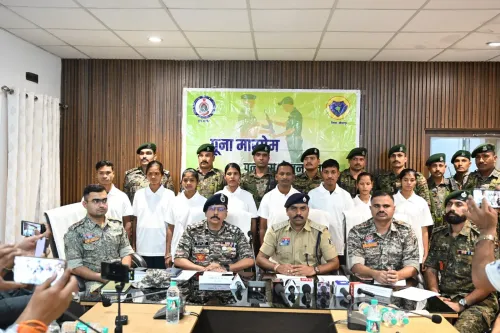
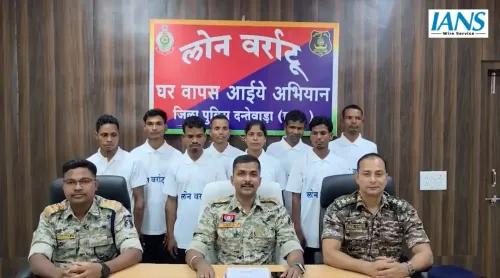
Narayanpur, March 31 (NationPress) In a significant achievement for anti-Naxal initiatives in Chhattisgarh, a 26-year-old armed Maoist operative surrendered to the authorities in Narayanpur district on Tuesday.
The individual, named Bijlu Mandavi, had a bounty of one lakh rupees placed on him and was associated with the North-West Joint Sub-Zonal Bureau's technical wing of the banned CPI Maoist organization.
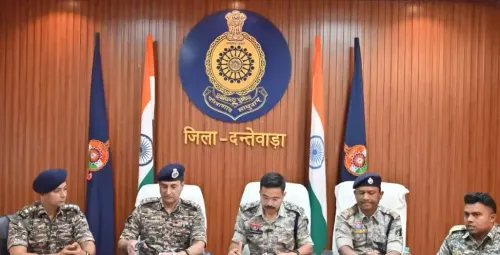
Mandavi, hailing from Tushwal Panchayat under the jurisdiction of Barsur Police Station in the adjacent Bijapur district, laid down his weapons and renounced violence in front of Superintendent of Police Robinson Gudiya.
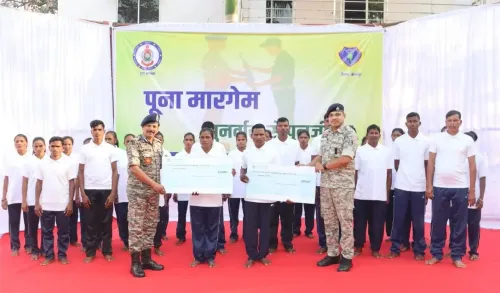
His choice to reintegrate into society was motivated by the state government's flagship Poona Margem Rehabilitation to Rejuvenation program, aimed at guiding Maoist fighters to forsake insurgency and return to a life of dignity, safety, and support for their livelihoods.
Officials reported that Mandavi voiced discontent with the Maoist ideology, citing the ineffectiveness of ongoing armed conflict as pivotal factors in his decision to surrender. This incident represents a notable advance in the government's ongoing efforts to eradicate left-wing extremism by March 2026, an initiative strongly endorsed by the Union Home Ministry.
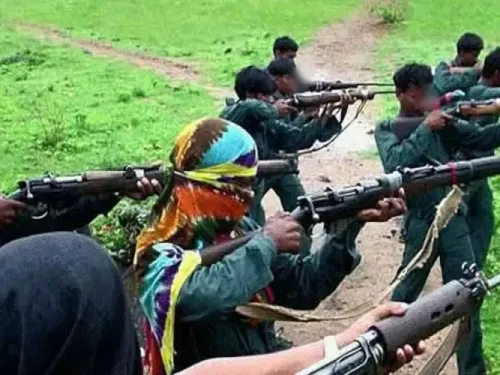
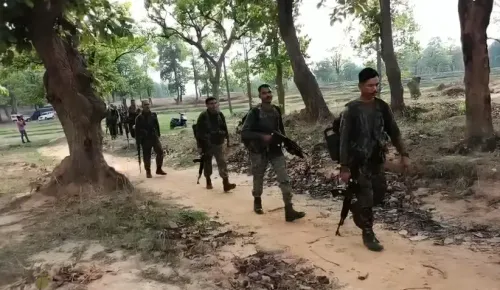
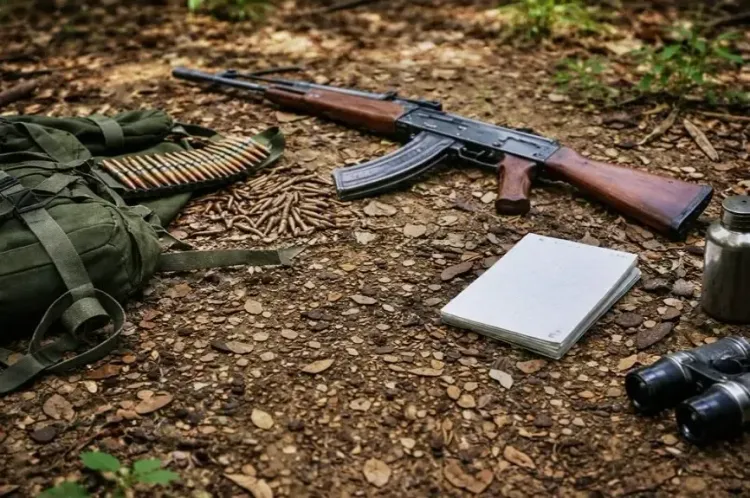
In a synchronized follow-up with paramilitary forces, Narayanpur police discovered a significant stockpile of weapons and ammunition from Maoist hideouts within the region's dense forests.
While the precise details of the confiscated arsenal are still being confirmed, early reports suggest a substantial collection that has the potential to disrupt local Maoist activities.
Recently, Chhattisgarh has seen a notable increase in such surrenders, especially in districts within the Bastar division, including Narayanpur, Bijapur, and Sukma.
Under the Poona Margem initiative, hundreds of former militants have already returned to civilian life, attracted by rehabilitation packages offering cash incentives, vocational training, housing aid, and assurance of safety from former comrades.
Security officials interpret these surrenders as indicative of a diminishing Maoist presence in the area.
Ongoing pressure from joint operations involving the District Reserve Guard, CRPF, and state police, alongside developmental projects in tribal regions, has cultivated an environment where many young individuals see little future within the banned organization.
SP Robinson Gudiya commended Mandavi's brave decision and promised him comprehensive administrative support for his rehabilitation. He urged other remaining Maoists to consider similar paths, reaffirming the government's commitment to ensuring a safe and dignified existence for those who opt for peace over violence.
Point of View
A 26-year-old Maoist, underscores the effectiveness of Chhattisgarh's anti-Naxal operations and rehabilitation initiatives. It highlights the government's strategy to encourage reintegration of former militants and reflects a positive trend in reducing left-wing extremism in the state.
NationPress
6 Oct 2026
Frequently Asked Questions
What motivated Bijlu Mandavi to surrender?
Bijlu Mandavi cited disillusionment with Maoist ideology and the futility of armed struggle as key reasons for his surrender.
What is the Poona Margem rehabilitation program?
The Poona Margem program is a state initiative aimed at encouraging Maoist cadres to abandon violence and reintegrate into society with support for livelihoods and safety.
What was recovered during the follow-up operations?
Police recovered a significant cache of weapons and ammunition from Maoist hideouts in the forests of Narayanpur.
How does the government view these surrenders?
Security officials see these surrenders as a sign of weakening Maoist influence in the region.
What support does the government offer to returning Maoists?
The government provides cash incentives, skill training, housing assistance, and protection from former comrades as part of the rehabilitation program.