Hindu temple mass shooting plot in Illinois: MEA flags anti-India hate in US
Synopsis
A 19-year-old self-described white supremacist Neo Nazi allegedly tried to carry out a mass shooting at a Hindu temple near Chicago — stopped only when his rifle jammed. India's MEA has called the incident part of a pattern of anti-India, anti-Hindu hate in the US and demanded accountability, marking one of New Delhi's sharpest diplomatic statements on the safety of the Indian diaspora in recent memory.
Key Takeaways
Paporakis , a 19-year-old self-described 'white supremacist Neo Nazi' , allegedly attempted a mass shooting at a Hindu temple in Aurora, Illinois on Saturday.
The attack was averted because his rifle jammed ; he was arrested on Sunday after a co-worker tipped off police.
A search of his home in Palatine found a rifle, loaded magazines, hundreds of rounds of ammunition , and body armour with white supremacist markings.
He is charged with making a terrorist threat and unlawful possession of weapons ; next court date is 30 October .
India's MEA called the incident 'particularly disturbing' , saying it adds to 'growing concerns over racist hostility and anti-India hate in the US.' The FBI is assisting Palatine Police; prosecutors allege Paporakis had been planning the attack for two years .
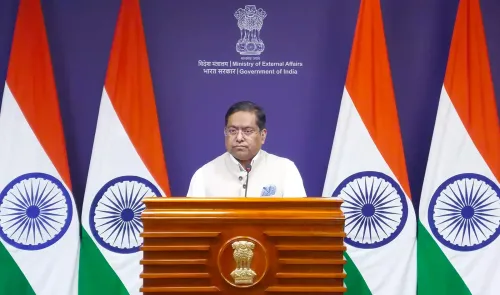
India's Ministry of External Affairs (MEA) on Thursday, 15 October 2026, declared it is 'deeply concerned' over an alleged plot to carry out a mass shooting targeting a Hindu temple in the Aurora area of Illinois, United States. The MEA called for thorough investigation, zero tolerance for hate-motivated violence, and decisive action to protect the Indian community in the US.
What Happened in Aurora
A 19-year-old suspect, identified in court documents as Paporakis, allegedly travelled to a Hindu temple in Aurora — approximately 70 kilometres from Chicago — on Saturday and attempted to open fire on worshippers. The mass shooting was averted only because his rifle jammed when he pulled the trigger.
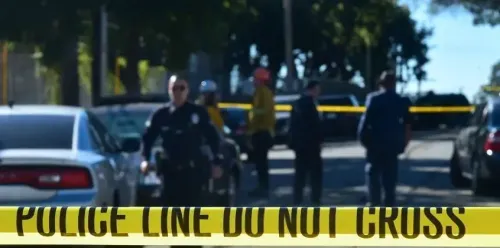
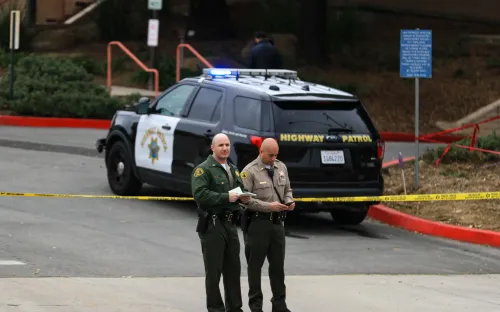
Authorities arrested Paporakis outside his home in Palatine, about 60 kilometres from Chicago, on Sunday, after a tip from a co-worker he had confided in at a fast-food restaurant. A search of his residence by Palatine Police, with assistance from the Federal Bureau of Investigation (FBI), uncovered a rifle, loaded magazines, hundreds of rounds of ammunition, and body armour bearing white supremacist extremist designs.
The Manifesto and Court Proceedings
Prosecutors allege that Paporakis had been planning the attack for two years. He reportedly sent his co-worker a photograph of himself in a tactical vest along with an eight-page document titled 'Why I Fought: A.K.A.: (Aurora Shooter’s Manifesto)' — a text described as filled with racist outbursts against people of Indian descent, Hindus, Jewish people, and non-white people, including African Americans.
In the document, Paporakis described himself as a 'sociopathic white supremacist Neo Nazi filled with hatred' and reportedly declared his intent to kill as many minorities as possible before dying. Palatine Police Chief William Nord confirmed: 'Reading through the manifesto, he did state some extremist ideologies and talked about violence; he talked about mass killings and how he wanted to carry out this mass shooting.'
Paporakis was produced before a county court in Rolling Meadows on Wednesday and charged with making a terrorist threat and unlawful possession of weapons. The judge remanded him to custody until 30 October, when he is next scheduled to appear in court. According to prosecutors, he may also have mental health issues — his co-worker reported he was behaving manically over the weekend.
India’s Official Response
The MEA issued a pointed statement in response to media queries, calling the 'anti-Hindu and racist nature of the alleged plot, including references to violence against people of Indian origin, particularly disturbing.' The statement noted that the incident 'adds to growing concerns over racist hostility and anti-India hate in the US' and demanded greater vigilance and zero tolerance for hate-motivated violence.
New Delhi also took note of the action already taken by US law enforcement, including the arrest and charges, but stressed the need for a thorough investigation and measures to prevent recurrence. The MEA said it 'expects US authorities to thoroughly investigate the matter, bring those responsible to justice, and take all necessary measures to ensure the safety and security of the Indian community.'
Context: A Pattern of Concern
This incident is not isolated. Attacks and threats against Hindu temples and people of Indian origin in North America have drawn periodic diplomatic attention from New Delhi in recent years. The combination of a written manifesto, a two-year planning horizon, and explicitly ethnic targeting makes this case particularly serious, according to prosecutors. Notably, the attack was foiled not by intelligence surveillance but by a civilian tip — underscoring, critics argue, the need for proactive outreach between law enforcement and minority communities.
The case is being pursued federally with FBI involvement, raising the possibility of additional charges beyond those filed at the state level. How US authorities proceed will be closely watched by Indian diaspora groups and the Indian government alike.
Point of View
Which suggest a radicalisation pipeline that US law enforcement did not detect; a civilian tip did. India's demand for 'zero tolerance' is correct in principle, but the MEA has limited leverage over US domestic law enforcement priorities. The real pressure will come from whether Indian-American community organisations and members of Congress push for federal hate-crime enhancements on top of the current state charges — and whether the FBI's involvement leads there.
NationPress
15 Oct 2026
Frequently Asked Questions
What was the alleged Hindu temple shooting plot in Aurora, Illinois?
A 19-year-old suspect named Paporakis allegedly travelled to a Hindu temple in Aurora, Illinois — about 70 kilometres from Chicago — and attempted to open fire on worshippers. The mass shooting was prevented only because his rifle jammed. He was arrested the following day after a co-worker contacted police.
What charges has Paporakis been booked with?
Paporakis was charged with making a terrorist threat and unlawful possession of weapons when he appeared before a county court in Rolling Meadows on Wednesday. The judge remanded him to custody until 30 October, when his next court hearing is scheduled. Federal charges could follow given FBI involvement.
How did India's government respond to the incident?
India's Ministry of External Affairs issued a statement calling the incident 'particularly disturbing' and saying it 'adds to growing concerns over racist hostility and anti-India hate in the US.' The MEA welcomed the suspect's arrest but called on US authorities to thoroughly investigate, bring all those responsible to justice, and take preventive measures to protect the Indian community.
Who alerted police about Paporakis?
A co-worker at the fast-food restaurant where Paporakis worked contacted police after he confided in them about the failed attack and sent them a photo of himself in a tactical vest along with an eight-page manifesto. The co-worker first reached out to police in Mount Prospect, who then passed the tip to Palatine authorities.
What did the manifesto contain?
According to prosecutors and court documents, Paporakis's eight-page document — titled 'Why I Fought: A.K.A.: (Aurora Shooter's Manifesto)' — contained racist outbursts against people of Indian descent, Hindus, Jewish people, and African Americans. He described himself as a 'sociopathic white supremacist Neo Nazi filled with hatred' and expressed intent to kill as many minorities as possible. Police also found white supremacist extremist designs on body armour seized from his home.