Mayawati warns Gen Z: Don't let parties exploit your protests
Synopsis
Mayawati didn't just criticise the BJP — she trained equal fire on the Congress, alleging both sides are exploiting student protests rather than solving paper leaks and unemployment. Her call for reservation in private employment, buried in a political speech, may be the most consequential demand of the day.
Key Takeaways
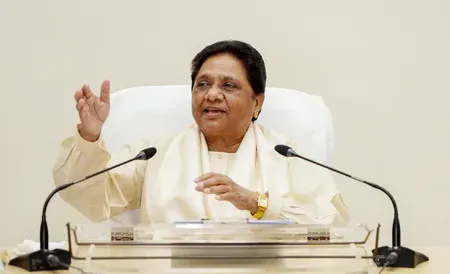
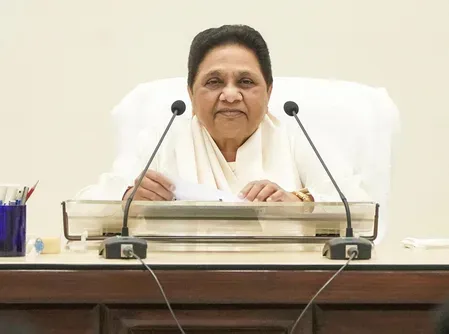
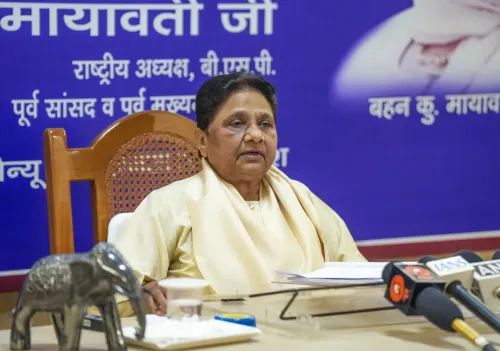
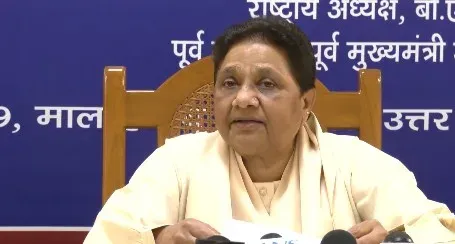
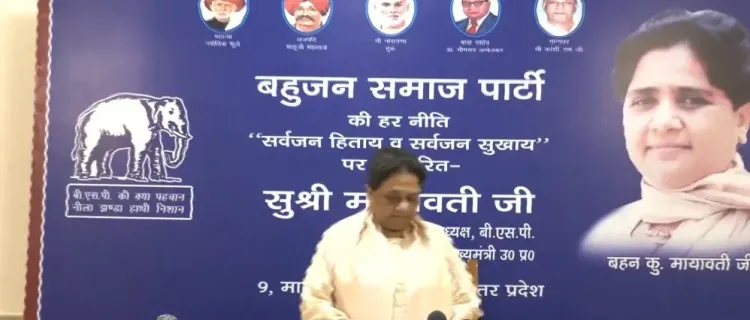
BSP chief Mayawati addressed a press conference in Lucknow on Tuesday, 11 August , warning Gen Z against political exploitation.
She alleged both the BJP and the Congress are using student agitations — including protests at Jantar Mantar, Delhi and in Ranchi — for partisan gain.
She claimed there may be an 'understanding' between rival parties to divert public attention from genuine issues.
Key concerns flagged for youth: paper leaks , unemployment , recruitment delays , and an uncertain future.
Mayawati alleged reservation benefits in government jobs are being gradually curtailed and called for extending reservation to private sector employment .
She maintained the BSP has consistently stood by students and urged youth to pursue demands through democratic means without aligning with any party.
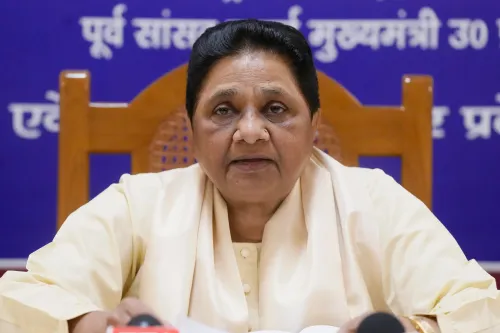
Bahujan Samaj Party (BSP) chief Mayawati on Tuesday urged India's youth not to allow political parties to hijack student-led agitations, saying young people must fight independently for issues that directly affect them. Addressing a press conference in Lucknow, she launched a sharp attack on both the ruling establishment and the opposition, accusing them of exploiting genuine youth grievances for electoral gain.
The Core Accusation
Mayawati alleged that parties including the Bharatiya Janata Party (BJP), the Indian National Congress, and their respective allies have been fuelling parliamentary disruptions over various issues, pushing matters of public importance to the margins. She went further, claiming there could be an 'understanding' between rival parties to collectively divert public attention from real concerns — a charge that, if true, would implicate both sides of the aisle in a coordinated distraction.
'Gen Z should not become tools in the hands of political parties,' she said, framing the warning as a call to independent democratic action rather than partisan alignment.
Student Protests in Focus
Referring specifically to demonstrations at Jantar Mantar in Delhi over paper leaks and unemployment, Mayawati alleged that the Congress and its allies attempted to appropriate the movement for political purposes rather than championing the students' demands. She made a similar observation about the ongoing student-youth agitation in Ranchi, where she alleged the BJP and its supporters were backing the movement — again, she argued, with political interests overshadowing students' concerns.
In both cities, she said, the authentic voice of young people risks being drowned out by party machinery.
Key Issues Facing Gen Z
Mayawati identified a cluster of concerns she said political parties have failed to address: deteriorating access to quality education, widespread unemployment, recruitment delays in government positions, recurring paper leak scandals, and an overall sense of an uncertain future. She maintained that the BSP has consistently stood by students and youth, and called on all parties to prioritise resolving these issues rather than leveraging protests for agenda-setting.
On Reservation and Private Sector
The BSP chief also raised the issue of reservation in government employment, alleging that the benefits of the reservation system were being gradually curtailed and its impact deliberately weakened. She further argued that the systematic strengthening of the private sector at the expense of public sector institutions had left the poor, unemployed, and marginalised communities increasingly vulnerable.
Clarifying her party's stance, Mayawati said the BSP is not opposed to the private sector but advocates extending the reservation framework to private employment, mirroring the protections that exist in government jobs. She also claimed that during her tenure as Chief Minister of Uttar Pradesh, all sections of society were treated equitably and particular attention was paid to student welfare and youth employment.
What Comes Next
With student agitations continuing across multiple cities, the political pressure on both the Centre and state governments to address paper leaks and recruitment delays is unlikely to ease. Mayawati's intervention adds a third voice to the debate — one that positions the BSP neither with the ruling bloc nor the principal opposition, but as a self-described champion of youth interests outside the dominant political binary.
Point of View
She positions herself outside the dominant binary — but the symmetry of the attack also risks diluting accountability. Her demand for reservation in private employment is substantive and long-standing, yet it consistently fails to generate legislative traction because neither major party has an incentive to push it. The more pointed question her remarks raise is whether the BSP, currently without significant parliamentary presence, has the leverage to convert press-conference positioning into actual policy pressure on youth issues.
NationPress
25 Sept 2026
Frequently Asked Questions
What did Mayawati say about Gen Z and political parties?
Mayawati warned Gen Z not to become tools in the hands of political parties, urging young people to independently raise their own demands through democratic means. She alleged that both the BJP and the Congress are exploiting student-led agitations for political gain rather than addressing genuine concerns like paper leaks and unemployment.
Which student protests did Mayawati comment on?
She specifically referenced protests at Jantar Mantar in Delhi over paper leaks and unemployment, and the ongoing student-youth agitation in Ranchi. In both cases, she alleged political parties had overshadowed the students' authentic concerns.
What is Mayawati's position on reservation in the private sector?
Mayawati called for extending the reservation framework to private sector employment, on the lines of existing reservations in government jobs. She also alleged that reservation benefits in government positions are being gradually curtailed and weakened.
Why did Mayawati attack both the BJP and the Congress?
She alleged that both the ruling BJP and the opposition Congress, along with their respective allies, are exploiting student protests for political purposes rather than resolving youth issues. She even suggested there could be an 'understanding' between rival parties to divert public attention from real problems.
What are the key issues Mayawati says Gen Z is facing?
According to Mayawati, young people are grappling with poor access to quality education, widespread unemployment, delays in government recruitment, recurring paper leak scandals, and an overall uncertain future — issues she said political parties have failed to prioritise.