Mayawati accuses rivals of misleading Dalits ahead of 2027 UP polls
Synopsis
With the 2027 UP polls two years out, Mayawati has gone on the offensive — accusing unnamed rivals of exploiting Dalit grievances through agitations and emotional slogans. The BSP chief's warning to youth against joining such movements, and her invocation of Ambedkar's 'master key' doctrine, signals that the fight for Bahujan political loyalty in India's largest state is already intensifying.
Key Takeaways
BSP chief Mayawati accused opposition parties on 11 July of misleading Dalits and Bahujans through provocative agitations ahead of the 2027 UP Assembly elections .
She alleged rivals are exploiting Dalit issues for political gain, using Dalit organisations to divide the Bahujan community.
Mayawati cited the BSP's four terms in power in Uttar Pradesh as proof of genuine commitment to Dalit welfare and good governance.
She referenced the Saharanpur violence case and her Rajya Sabha resignation as examples of BSP's constitutional form of protest.
The BSP chief warned unemployed youth against joining agitations that could lead to legal cases, imprisonment, or administrative action.
She reaffirmed Dr B.R.
Ambedkar's vision of political power as the 'master key' to social change as the BSP's foundational mission.
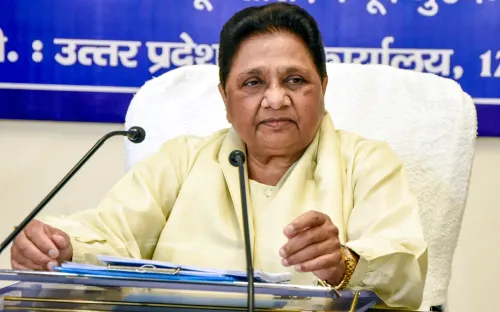
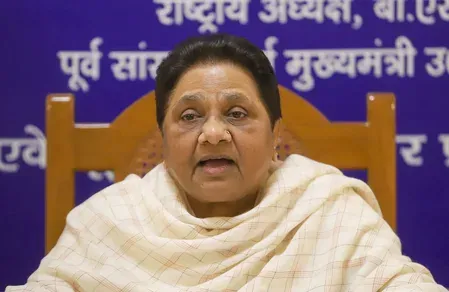
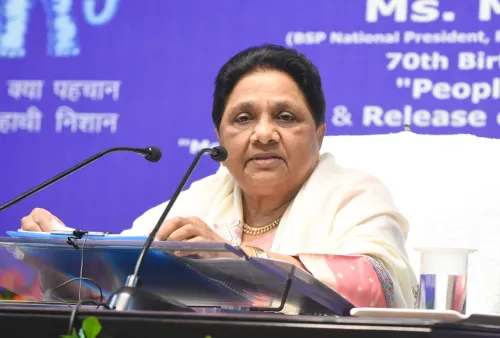
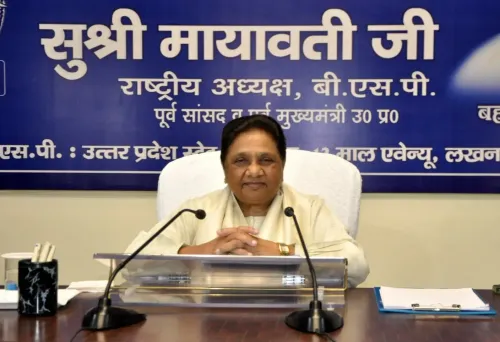
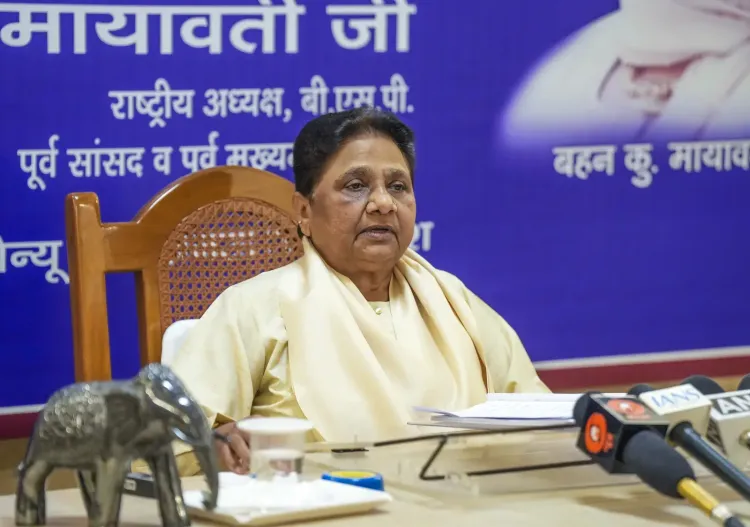
Bahujan Samaj Party (BSP) chief Mayawati on Saturday, 11 July accused opposition parties of orchestrating provocative agitations and emotionally charged campaigns to mislead Dalits and the broader Bahujan community for narrow political gains ahead of the 2027 Uttar Pradesh Assembly elections. The BSP leader, speaking through a statement posted on social media, stopped short of naming specific parties but left little doubt the remarks were directed at rival political formations in Uttar Pradesh.
What Mayawati Alleged
Mayawati charged that certain political groups and organisations were deliberately encouraging aggressive movements and emotionally charged campaigns to confuse Dalits and Bahujans. According to her, these forces were exploiting Dalit issues solely to serve their own political interests rather than to deliver tangible change.
She maintained that the BSP does not engage in road blockades, protests, vandalism, violence, or the spread of misinformation — and that her party operates strictly within the framework of the Constitution and democratic values. She also cautioned unemployed youth and members of deprived communities against participating in agitations that could expose them to legal cases, imprisonment, or administrative action, warning that such outcomes would damage their futures and harm their families.
BSP's Governance Record Cited
The BSP chief invoked her party's four terms in power in Uttar Pradesh as evidence of its commitment to substantive governance. She argued that during those tenures, the party delivered welfare measures, effective law and order, and development-oriented policies — contrasting this with what she described as the opportunistic politics of rivals.
Mayawati said the BSP has consistently prioritised the interests of the poor, Dalits, backward classes, tribals, minorities, and economically weaker sections, and that this track record distinguishes it from parties that raise Dalit issues only around election cycles.
Saharanpur Violence and Constitutional Protest
Referencing the Saharanpur violence case, Mayawati recalled that the BSP had raised the issue of Dalit rights from the streets to Parliament. She noted that she had resigned from the Rajya Sabha in protest after receiving what she described as an unsatisfactory response to the matter — a move she characterised as a constitutional form of dissent. She reiterated that the BSP's struggles have always remained within democratic and constitutional norms.
Ideological Roots and the Road to 2027
Mayawati attributed the opposition's unease to the BSP's expanding support base as the 2027 UP Assembly elections approach. She alleged that rival forces were using various Dalit organisations and political groups to divide and mislead the Bahujan community, urging voters to remain vigilant.
She reaffirmed that BSP founder Kanshi Ram established the party with the explicit objective of transforming the Bahujan community into a political force capable of achieving social justice. Advancing Dr B.R. Ambedkar's vision of political power as the 'master key' to social change, she said, remains the BSP's core mission — and that any force seeking to obstruct this objective is, in effect, attempting to weaken the Bahujan movement as a whole.
With the 2027 UP polls still roughly two years away, the BSP's pre-emptive messaging signals that the battle for Dalit political allegiance in India's most populous state is already well under way.
Point of View
She is attempting to position the BSP as the responsible, constitutional alternative. The irony is that the BSP itself once built its base through mass mobilisation; the shift to a purely electoral and social-media-led strategy reflects how much the party's organisational muscle has atrophied. Whether invoking Ambedkar and Kanshi Ram is enough to reclaim ground lost over three successive UP election cycles remains the central question heading into 2027.
NationPress
10 Oct 2026
Frequently Asked Questions
What did Mayawati allege about opposition parties ahead of the 2027 UP elections?
Mayawati alleged that opposition parties are using provocative agitations and emotionally charged slogans to mislead Dalits and the Bahujan community for political gains. She made the remarks in a social media statement on 11 July, without naming specific parties.
Why did Mayawati refer to the Saharanpur violence case?
She cited the Saharanpur violence case to illustrate the BSP's record of raising Dalit issues through constitutional means — from street-level advocacy to Parliament. She recalled resigning from the Rajya Sabha in protest over what she described as an unsatisfactory government response to the incident.
What is the BSP's position on protests and agitations?
The BSP, according to Mayawati, does not participate in road blockades, vandalism, violence, or misinformation campaigns. She said the party works strictly within constitutional and democratic frameworks, and warned Dalit youth against joining agitations that could result in legal trouble.
How does Mayawati explain the opposition's current strategy?
Mayawati argued that opposition parties have grown uneasy over the BSP's expanding support base ahead of the 2027 UP polls, and are therefore using Dalit organisations and political groups to divide and mislead the Bahujan community.
What is the ideological foundation Mayawati invoked in her statement?
She reaffirmed BSP founder Kanshi Ram's objective of transforming the Bahujan community into a political force and cited Dr B.R. Ambedkar's doctrine of political power as the 'master key' to social change as the BSP's core mission.