BSP chief Mayawati puts Uttarakhand on election footing ahead of 2027 polls
Synopsis
With 2027 still nearly two years away, Mayawati is already drilling down to the booth level in Uttarakhand — a state the BSP has long found difficult to crack. Tuesday's Lucknow review meeting, focused on grassroots candidate selection and Dalit-minority outreach, suggests the party is betting on early organisational discipline over late-campaign momentum.
Key Takeaways
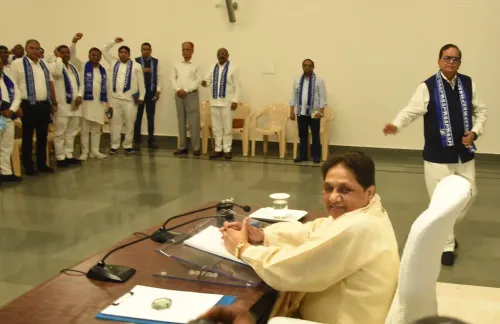
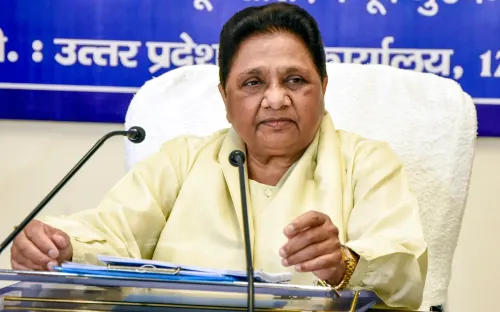
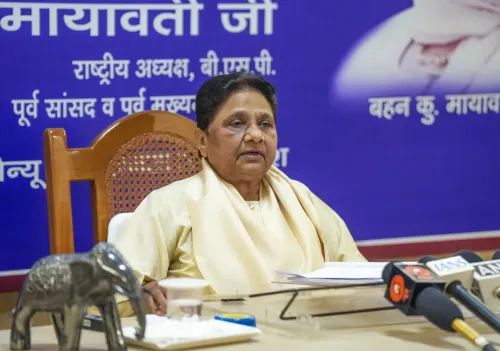
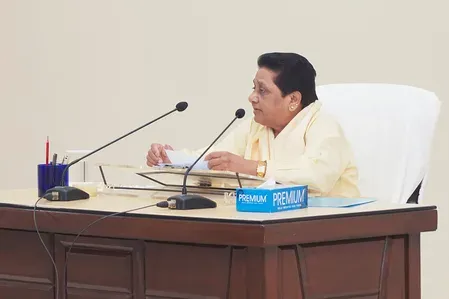
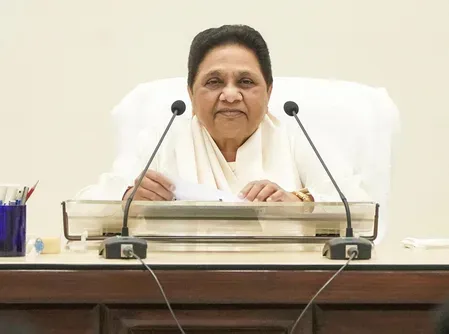
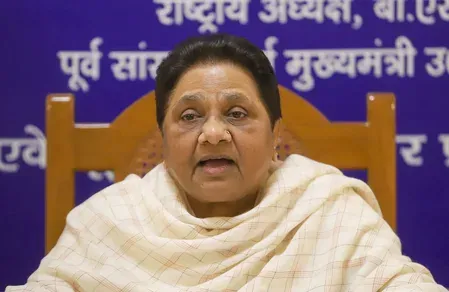
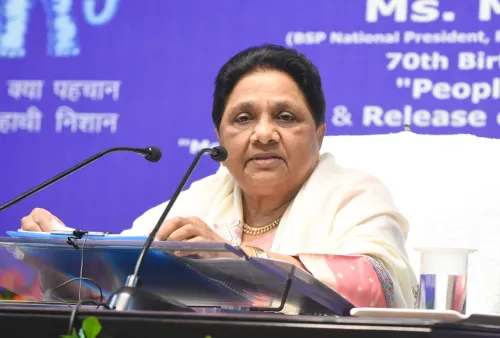
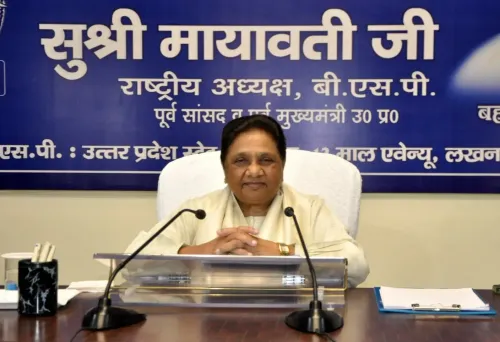
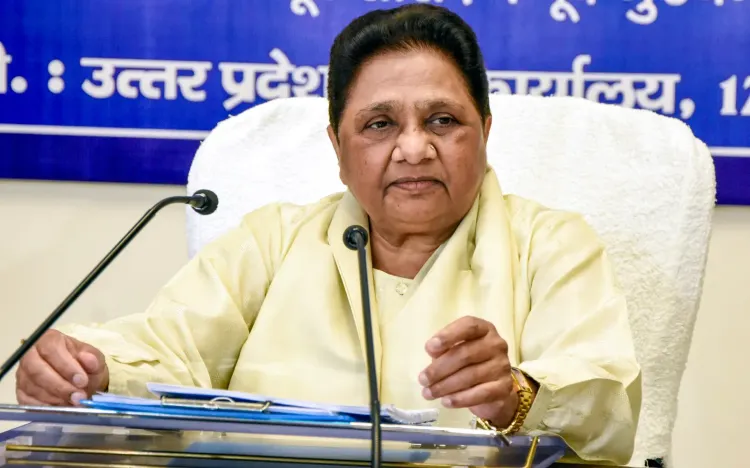
BSP chief Mayawati held a review meeting with Uttarakhand unit office-bearers at the party's central office in Lucknow on Tuesday, 27 May 2025 .
She directed leaders to strengthen the organisation down to the booth level ahead of the 2027 Uttarakhand Assembly elections .
Candidate selection must prioritise grassroots workers with strong public acceptance, mirroring the standard applied in Uttar Pradesh .
The party's outreach strategy targets Dalits , tribals , backward classes , Muslims , minorities, and economically weaker upper-caste sections.
Mayawati described organisational feedback from the state as 'largely satisfactory' but called for intensified preparations.
Bahujan Samaj Party (BSP) chief Mayawati on Tuesday convened a review meeting with senior office-bearers of the party's Uttarakhand unit at the BSP's central office in Lucknow, issuing a sharp set of organisational and electoral directives as the party formally shifts into campaign mode for the 2027 Uttarakhand Assembly elections. The meeting signals an early and deliberate push to rebuild ground presence in a state where the BSP has historically struggled to convert social base into seats.
Key Directives from the Review Meeting
Mayawati stressed that candidate selection in Uttarakhand must follow the same rigorous standard applied in Uttar Pradesh — prioritising those with grassroots activity and demonstrated public acceptance over those with financial clout. She directed party leaders to consolidate the organisation down to the booth level and remain alert to the electoral strategies of rival parties.
While describing the organisational feedback from the state as 'largely satisfactory,' Mayawati made clear that preparations needed to be significantly intensified before polling day. She also called on party workers to reach out to communities she described as facing neglect and insecurity under the incumbent state government.
Historical Context: BSP's Claim on Uttarakhand
Mayawati invoked the pre-statehood era, noting that concerns around political and developmental neglect in the region had existed long before Uttarakhand was carved out of Uttar Pradesh. She claimed that during BSP-led governments, a range of administrative and welfare-focused measures were undertaken to address issues specific to the people of the hill region — a narrative the party is likely to deploy as a counter to the ruling establishment's development record.
Outreach Targets: Dalits, Tribals, Minorities and EWS
A central plank of the BSP's Uttarakhand strategy, according to Tuesday's meeting, is expanding outreach among Dalits, tribals, backward classes, Muslims, and other minority communities, as well as economically weaker sections from upper castes. Mayawati said the party would pursue this through small meetings and wider public contact programmes across the state — a ground-up approach consistent with the BSP's traditional mobilisation model.
Ideology and Organisational Discipline
Reiterating the party's foundational position, Mayawati said the BSP stands for politics driven by public welfare rather than the influence of wealth or big capital. She urged workers to treat organisational strength as the party's most decisive asset, calling for full dedication ahead of what she framed as a critical electoral cycle for the Bahujan Samaj.
With nearly two years to polling, the BSP's early mobilisation in Uttarakhand reflects a recognition that booth-level presence — not just last-mile campaigning — will determine whether the party can improve on its previous performances in the state.
Point of View
But the party's thin cadre base in Uttarakhand makes execution the real challenge. The invocation of BSP's pre-statehood welfare record is a familiar narrative device; whether it resonates with a younger, more urbanised Uttarakhand electorate is a separate question. With the BJP firmly entrenched and the Congress regrouping, the BSP risks being squeezed unless it can convert outreach targets into durable vote blocks rather than symbolic presence.
NationPress
11 Oct 2026
Frequently Asked Questions
Why is the BSP starting Uttarakhand election preparations this early?
The 2027 Uttarakhand Assembly elections are still nearly two years away, but BSP chief Mayawati has chosen to begin organisational groundwork now to address the party's historically weak booth-level presence in the state. Early mobilisation is intended to give the party time to identify credible grassroots candidates and consolidate its Dalit, tribal, and minority voter base.
What instructions did Mayawati give to Uttarakhand BSP leaders?
Mayawati directed party office-bearers to strengthen the organisation down to the booth level, select candidates based on grassroots activity and public acceptance rather than financial influence, and expand outreach among Dalits, tribals, backward classes, Muslims, minorities, and economically weaker upper-caste sections.
What is the BSP's social outreach strategy in Uttarakhand?
The party plans to reach voters through small meetings and wider public contact programmes, targeting Dalits, tribals, backward classes, Muslims, other minority communities, and economically weaker sections from upper castes — a broad coalition consistent with the BSP's traditional 'Bahujan Samaj' mobilisation model.
How has the BSP performed in Uttarakhand previously?
The BSP has historically struggled to convert its social base in Uttarakhand into significant Assembly seats. The party's performance in the hill state has lagged behind its strength in neighbouring Uttar Pradesh, which is part of the reason Mayawati is pushing for early and intensive organisational work ahead of 2027.
What is the BSP's ideological position heading into the 2027 polls?
Mayawati reiterated that the BSP stands for politics centred on public welfare rather than the influence of wealth or big capital. She urged workers to treat organisational strength — not money power — as the party's primary electoral asset.