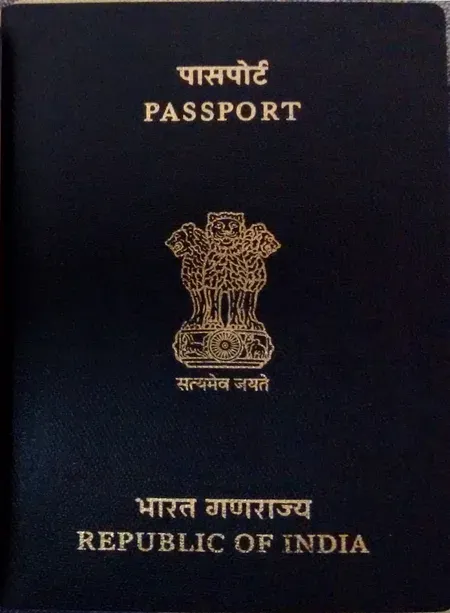
Passport not proof of citizenship, says MEA; cites 1967 Act and Bombay HC ruling
Synopsis
The MEA's insistence that a passport has never been proof of Indian citizenship — backed by a 1967 law and a 2013 Bombay HC ruling — has lit a political firestorm. The legal position may be defensible, but the timing and tone have raised an uncomfortable question millions of Indians are now asking: if not a passport, what exactly proves you are a citizen?
Key Takeaways
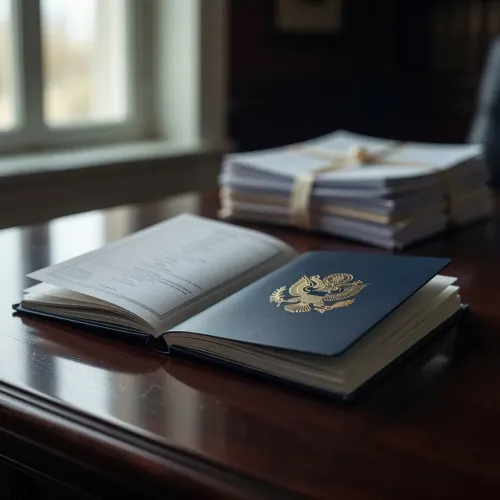
The MEA on 25 June clarified that an Indian passport has never been legal proof of citizenship, citing the Passports Act, 1967 .
Section 20 of the Passports Act allows the government to issue a passport even to a non-citizen in the public interest.
A Bombay High Court judgment from 2013 held that passports, Aadhaar, and birth certificates are evidence but not conclusive proof of citizenship.
Citizenship is ultimately determined under the Citizenship Act, 1955 , not the Passports Act.
Rajya Sabha MP Kapil Sibal and commentator Javed Akhtar publicly challenged the government's position.
When citizenship is disputed, courts require birth records, lineage papers, or naturalisation certificates — not just a passport.
The Ministry of External Affairs (MEA) on Thursday, 25 June clarified that an Indian passport has never constituted legal proof of citizenship, pushing back against criticism that erupted a day earlier over remarks made at a government event. The ministry anchored its position in the Passports Act, 1967 and a Bombay High Court judgment from 2013, insisting the legal principle predates the current government by decades.
How the Controversy Began
The row was triggered on Wednesday when an MEA official, speaking at a Passport Seva Divas event, described a passport primarily as a travel document. The remark drew swift criticism from opposition leaders, legal professionals, and public commentators, who questioned how a document issued by the state following official verification could fail to establish a holder's nationality.
By Thursday, the ministry moved to contain the fallout with a formal clarification, stressing that the position was neither new nor a policy decision of the incumbent administration.
What the MEA Said
'It was not decided yesterday that a passport is not proof of citizenship. It was not even decided in the last 12 years. The Passport has never been a proof of citizenship. The Passport Act, 1967 says that passports can be given to non-citizens,' the ministry stated.
The MEA also cited the Bombay High Court's 2013 ruling, which held that possessing a passport alone does not automatically establish Indian citizenship. 'Judgments of the Bombay HC from 2013 have made it clear that a passport is not proof of citizenship. Please inform and educate your audience rather than amplify uninformed quips and commentary,' the statement added.
The Legal Framework Explained
The distinction flows from the relationship between two separate statutes. Citizenship is governed by the Citizenship Act, 1955, while passports fall under the Passports Act, 1967. Section 20 of the Passports Act explicitly permits the Central Government to issue a passport or travel document to a non-citizen when it deems the action necessary in the public interest — an acknowledged exception to the general rule.
Section 21 further allows the government to delegate certain powers under the Act to officers, state governments, or Indian diplomatic and consular officials under prescribed conditions.
The Bombay High Court in its 2013 ruling held that documents such as passports, Aadhaar cards, and birth certificates constitute important evidence but do not amount to incontestable proof of citizenship, emphasising that citizenship must be determined according to Parliament-enacted law. The Supreme Court has similarly distinguished between identity documents and proof of citizenship in multiple rulings, clarifying that documents such as Aadhaar establish identity but do not by themselves settle citizenship status.
In cases where citizenship is disputed, courts have held that the burden rests on the individual to demonstrate their status through birth records, family lineage papers, or naturalisation certificates — not merely by producing a passport.
Political Reactions
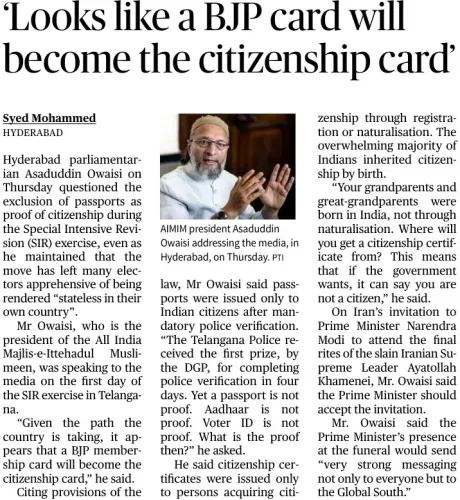
Rajya Sabha MP Kapil Sibal questioned what document ordinary citizens could rely on if a passport was not accepted as proof of citizenship. Lyricist and commentator Javed Akhtar challenged the government's logic, arguing that authorities would ordinarily verify nationality before issuing a passport in the first place.
What This Means Going Forward
The government's stated position is that where citizenship is disputed, the matter must be adjudicated under the Citizenship Act rather than resolved by the mere possession of a passport. Although the MEA maintains it has only restated a long-standing legal principle, the episode has reignited public debate about the distinction between identity documents, travel documents, and legally recognised proof of nationality in India — a conversation with direct implications for millions of citizens.
Point of View
1967 and judicial precedent do support the position that a passport is a travel document, not a citizenship certificate. But being legally correct and being politically wise are different things. In a climate already charged by debates over the NRC and CAA, telling citizens that their most government-issued document does not prove they belong to India is a communication failure of the first order. The ministry's sharp 'educate your audience' rebuke to critics compounds the problem — it reads as dismissive of a legitimate public anxiety. The real question the government has not answered is: what accessible, affordable document can an ordinary Indian use to establish citizenship beyond doubt?
NationPress
24 Sept 2026
Frequently Asked Questions
Is an Indian passport proof of citizenship?
No, according to the MEA and established Indian law. The Passports Act, 1967 and a 2013 Bombay High Court ruling both make clear that a passport is primarily a travel document and does not by itself constitute conclusive proof of Indian citizenship. Citizenship is determined under the Citizenship Act, 1955.
What triggered the MEA's clarification on 25 June?
An MEA official at a Passport Seva Divas event on Wednesday described a passport mainly as a travel document. The remark drew criticism from opposition leaders, lawyers, and commentators, prompting the ministry to issue a formal clarification the following day citing the Passports Act, 1967 and the Bombay High Court's 2013 judgment.
Can the Indian government issue a passport to a non-citizen?
Yes, under Section 20 of the Passports Act, 1967, the Central Government may issue a passport or travel document to a non-citizen if it considers the action necessary in the public interest. This is an explicit statutory exception and is part of the legal basis for the MEA's position.
What documents can prove Indian citizenship if a passport cannot?
Courts have held that when citizenship is disputed, individuals must establish their status through documents such as birth records, family lineage papers, or naturalisation certificates. A passport is treated as supporting evidence, not conclusive proof, under both the Citizenship Act, 1955 and judicial precedent.
Who has criticised the government's position on passports and citizenship?
Rajya Sabha MP Kapil Sibal publicly asked what document ordinary citizens should rely on if a passport is not accepted as citizenship proof. Lyricist and commentator Javed Akhtar questioned the logic, arguing that authorities verify nationality before issuing a passport. Several opposition leaders and legal commentators have also raised objections.