Meghalaya Cabinet adds thunderstorms, strong winds to disaster list

Synopsis
Meghalaya has quietly closed a critical gap in its disaster relief system — storms that wreck homes but fall short of cyclone intensity could previously not be compensated under the state framework. Wednesday's Cabinet decision fixes that, while also abolishing interviews for thousands of government jobs and deploying facial recognition across 6,500 villages to enforce a long-dormant residents' security law.
Key Takeaways
Meghalaya Cabinet on 26 August formally added thunderstorms and strong winds to the state disaster list, enabling damage assessment and relief under the disaster management framework.
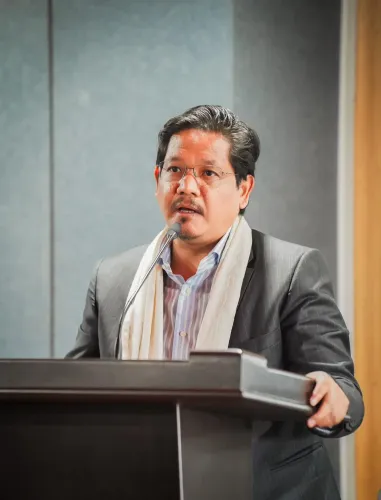
Chief Minister Conrad K.
Sangma said the earlier cyclone-only classification created administrative confusion for officials assessing wind damage below cyclone intensity.
Interviews for Group-C non-technical posts recruited through District Selection Committees will be abolished from 1 January 2027 , extending a policy already applied to Group-D posts.
A Standard Operating Procedure (SOP) for all DSCs was approved to standardise and improve transparency in government recruitment.
Enforcement of MRSSA 2016 is being expanded across nearly 6,500 villages and localities via a mobile-based facial recognition system and registration through Rangbah Shnongs and locality headmen.
The state is also pursuing clearance for the Meghalaya Residents, Safety and Security (Amendment) Bill, 2020 with the Union Home Minister and Home Secretary .
The Meghalaya Cabinet on Wednesday, 26 August approved a sweeping set of decisions covering disaster management, government recruitment reform, and the expansion of the Meghalaya Residents, Safety and Security Act (MRSSA). The moves signal a concerted push by the Conrad K. Sangma-led government to modernise state governance frameworks across multiple domains.
Thunderstorms and Strong Winds Now Classified as State Disasters
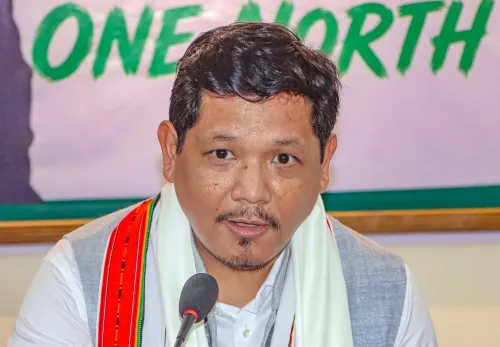
Chief Minister Conrad K. Sangma announced that thunderstorms and strong winds will now be formally recognised as state or local disasters under Meghalaya's disaster management framework. The reclassification means that damage from such weather events can be assessed and compensated through official state channels.
'Earlier, the cyclone was notified as a state disaster. But we are increasingly seeing damage caused by strong winds which are not of cyclone intensity,' Sangma said after the Cabinet meeting. He explained that the earlier classification forced officials to assess destructive winds under the cyclone category even when they did not meet cyclone-intensity thresholds — creating administrative confusion and delaying relief. 'To bring clarity, we have included thunderstorms and strong winds in the list,' he added.
Interviews Scrapped for Group-C Non-Technical Recruitment
In a significant administrative reform, the Cabinet approved the removal of interviews for Group-C non-technical posts recruited through District Selection Committees (DSCs), effective 1 January 2027. The decision extends a policy the government had already applied to Group-D DSC posts.
Interviews will continue for Group-C technical posts, with the Personnel Department tasked with specifying which posts fall under the technical category. Sangma said the government would take three to four months to amend relevant service rules, and that recruitment advertisements issued from 1 January 2027 onwards will not carry an interview component for the affected posts.
The Cabinet also cleared a Standard Operating Procedure (SOP) for all DSCs to ensure uniformity and transparency in hiring. Deputy Commissioners and other officials will be trained to implement the SOP, which the state intends to eventually extend to other recruitment bodies.
MRSSA Enforcement Expanded Across 6,500 Villages
On the Meghalaya Residents, Safety and Security Act (MRSSA), 2016, Sangma said the state is pursuing clearance for the Meghalaya Residents, Safety and Security (Amendment) Bill, 2020, with discussions ongoing with the Union Home Minister and Home Secretary.
Simultaneously, enforcement of the existing 2016 Act is being broadened through a registration drive involving Rangbah Shnongs and locality headmen. The government is developing a mobile-based facial recognition system to facilitate registration across Meghalaya's nearly 6,500 villages and localities. Work is also underway to operationalise tourist facilitation centres envisaged under the Act.
What This Means Going Forward
The Cabinet's decisions collectively address longstanding gaps in how Meghalaya manages weather-related relief, ensures fair recruitment, and tracks residents and visitors. The disaster reclassification is particularly timely given the region's exposure to pre-monsoon and monsoon-season wind events that routinely cause damage without qualifying as cyclones. How swiftly the state can amend service rules, train officials, and roll out the facial recognition infrastructure will determine whether these decisions translate into measurable improvements on the ground.
Point of View
Yet officials were forced to file relief claims under cyclone norms for events that clearly were not cyclones. The recruitment reform is directionally sound but its real test will be whether it reduces political interference at the DSC level, not just eliminates the interview stage. Most consequential, and least scrutinised, is the facial recognition rollout across 6,500 villages under the MRSSA — a law that has faced criticism for its potential to profile non-locals. How the state balances security objectives with civil liberties in that implementation deserves close watching.
NationPress
11 Oct 2026
Frequently Asked Questions
Why did Meghalaya add thunderstorms and strong winds to its disaster list?
Meghalaya added thunderstorms and strong winds to its state disaster list because the earlier framework only recognised cyclones, leaving officials unable to process relief for wind damage that did not meet cyclone-intensity thresholds. Chief Minister Conrad K. Sangma said the change brings clarity and allows proper damage assessment for such weather events.
From when will interviews be scrapped for Group-C government jobs in Meghalaya?
Interviews for Group-C non-technical posts recruited through District Selection Committees will be abolished from 1 January 2027. Recruitment advertisements issued from that date onwards will not include an interview component, though Group-C technical posts will continue to have interviews.
What is the MRSSA and how is Meghalaya expanding its enforcement?
The Meghalaya Residents, Safety and Security Act (MRSSA), 2016 is a state law governing the registration and monitoring of residents and visitors. The government is expanding its enforcement through registration drives involving Rangbah Shnongs and locality headmen, and is building a mobile-based facial recognition system to cover nearly 6,500 villages and localities across the state.
What is the Meghalaya Residents, Safety and Security Amendment Bill, 2020?
It is a proposed amendment to the MRSSA 2016 for which the Meghalaya government is currently seeking clearance from the Union Home Minister and Home Secretary. Discussions are reportedly ongoing at the central level.
What is the Standard Operating Procedure approved for District Selection Committees?
The Cabinet-approved SOP sets uniform guidelines for all DSCs to ensure consistency and transparency in government recruitment. Deputy Commissioners and other officials will be trained to implement it, with the framework eventually proposed for extension to other recruitment bodies in the state.