CM Conrad Sangma Launches Meghalaya EV Policy 2026
Synopsis
Meghalaya's cabinet has approved the EV Policy 2026, offering every individual EV buyer a ₹25,000 incentive and a full vehicle registration fee waiver. Chief Minister Conrad Sangma framed the move as central to building a greener, more sustainable Meghalaya, coordinating with Union ministers on clean-transport goals.
Key Takeaways
The Meghalaya cabinet approved the Meghalaya Electric Vehicle (EV) Policy 2026 on 27 July 2026 .
Every individual purchasing an EV in Meghalaya will receive a direct government incentive of ₹25,000 .
The policy includes a complete waiver of vehicle registration fees for EV buyers.
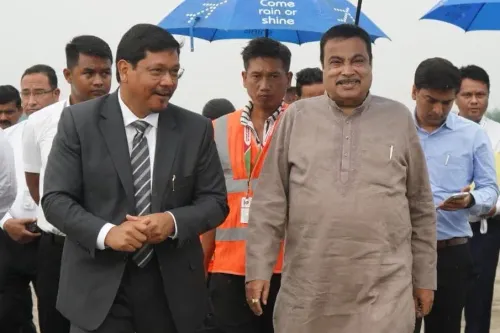
Chief Minister Conrad Sangma tagged Union Ministers Nitin Gadkari , Bhupender Yadav , and Manohar Lal Khattar , reflecting central-state coordination.
The policy builds on India's national FAME scheme (2015) and aligns with India's 2070 net-zero emissions target .
Detailed implementation and disbursement guidelines are expected in subsequent government notifications.
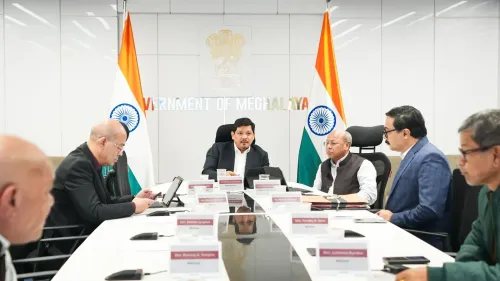
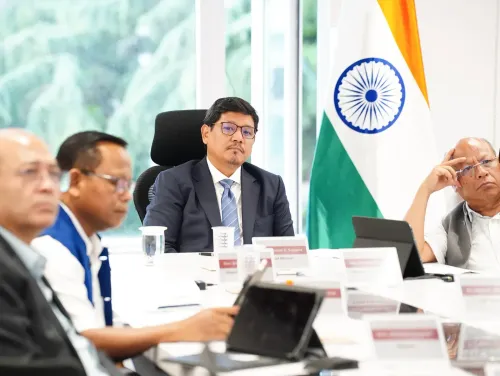
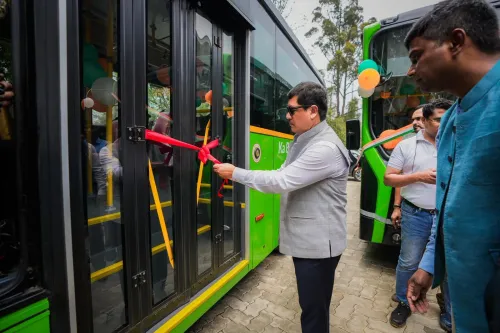
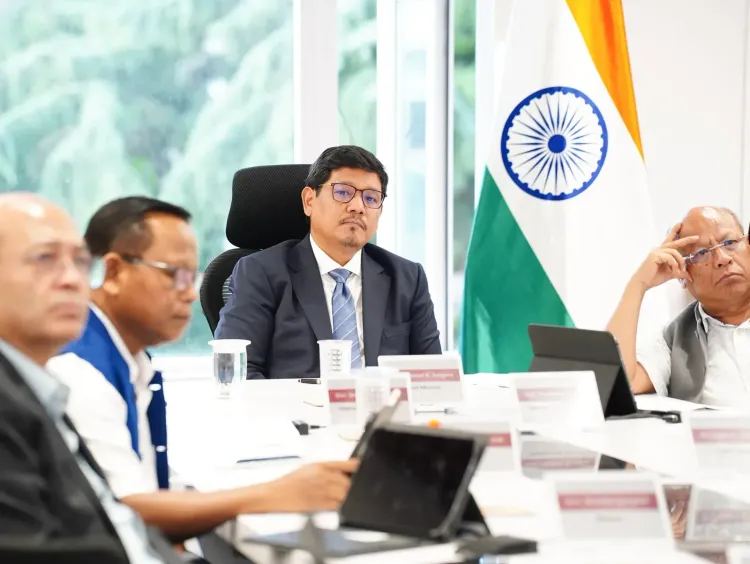
Meghalaya Chief Minister Conrad Sangma announced on Monday, 27 July 2026 that the state cabinet has approved the Meghalaya Electric Vehicle (EV) Policy 2026, introducing a direct purchase incentive of ₹25,000 per buyer and a complete waiver of vehicle registration fees to accelerate the shift to clean mobility.
Context
Posting on X, Conrad Sangma stated that the policy 'reflects our commitment to building a greener Meghalaya by reducing emissions, encouraging clean transportation, and making electric mobility more accessible and affordable for our citizens.' The announcement tagged Union Minister of Road Transport and Highways Nitin Gadkari, Union Minister Bhupender Yadav, and Union Minister Manohar Lal Khattar, signalling active coordination between the state government and central ministries on clean mobility.
Policy Backdrop
The Meghalaya EV Policy 2026 arrives within a well-established national framework. The Government of India launched the FAME (Faster Adoption and Manufacturing of Electric Vehicles) scheme in 2015 to provide central incentives for electric and hybrid vehicle adoption. States including Karnataka (2017) and Maharashtra (2018) subsequently introduced dedicated EV policies offering subsidies and tax waivers, and Meghalaya now joins this growing cohort of states building on central momentum with localised measures.
Nitin Gadkari, who has consistently championed nationwide EV adoption, has worked with multiple state governments to align their policies with India's broader clean-transport goals. The tagging of three Union ministers in Sangma's post underscores the cooperative federalism model that has defined India's EV push.
Stakeholders and Impact
The most immediate beneficiaries are individual residents of Meghalaya who purchase an electric vehicle — each eligible for a flat ₹25,000 incentive along with zero registration charges, reducing the upfront cost barrier that has historically slowed EV uptake in smaller states. For a northeastern state characterised by hilly terrain and fragile ecosystems, cutting vehicular emissions carries added environmental significance, particularly for sustainable tourism, a key economic pillar of the region.
EV dealers and charging-infrastructure operators in Meghalaya stand to benefit from anticipated demand growth, while the state exchequer will absorb the cost of registration fee waivers and direct incentive disbursements. Detailed implementation guidelines and disbursement mechanisms for the ₹25,000 incentive are expected in subsequent government notifications.
What's Next
The cabinet approval marks the policy's formal inception; the next critical phase will be the rollout of operational guidelines specifying eligibility criteria, the application process for the purchase incentive, and timelines for registration-fee waiver implementation. Meghalaya's move could also serve as a reference point for other northeastern states weighing similar frameworks, as India works toward its 2070 net-zero emissions target. Observers will watch whether the central government supplements the state incentive with additional FAME-linked benefits for Meghalaya buyers.
Point of View
The policy also serves a dual political purpose: it positions the National People's Party-led government as environmentally progressive in a state where ecological identity resonates strongly with voters. The flat ₹25,000 incentive and registration waiver are blunt but effective demand-side tools, mirroring approaches that have shown measurable uptake in larger states. The real test will be the implementation machinery — whether disbursement is swift and accessible enough to convert policy intent into actual EV adoption on Meghalaya's challenging hill roads.
NationPress
26 Oct 2026
Frequently Asked Questions
What is the Meghalaya EV Policy 2026?
The Meghalaya EV Policy 2026 is a state cabinet-approved framework that offers every individual purchasing an electric vehicle a direct incentive of ₹25,000 and a complete waiver of vehicle registration fees, aimed at promoting clean and sustainable mobility across the state.
How much incentive will Meghalaya give for buying an electric vehicle?
The Meghalaya government will provide ₹25,000 to every individual who purchases an electric vehicle under the EV Policy 2026, in addition to a full waiver of vehicle registration fees.
Who announced the Meghalaya EV Policy 2026?
Chief Minister Conrad Sangma announced the policy on 27 July 2026 via a post on X, confirming that the state cabinet had approved the Meghalaya Electric Vehicle Policy 2026.
Is there a registration fee for EVs in Meghalaya now?
No. Under the newly approved Meghalaya EV Policy 2026, the government has introduced a complete waiver of vehicle registration fees for electric vehicle buyers.
How does Meghalaya's EV policy relate to the central government's FAME scheme?
Meghalaya's EV Policy 2026 complements the central government's FAME scheme, launched in 2015, by adding state-level purchase incentives and fee waivers. Chief Minister Conrad Sangma also tagged Union Minister Nitin Gadkari and other central ministers, indicating active coordination between the state and central governments.