Meghalaya SIR vital to bar illegal immigrants from voter rolls: BJP Minister Shullai
Synopsis
Meghalaya BJP minister Sanbor Shullai has come out swinging in defence of the state's Special Intensive Revision of electoral rolls, framing it as a necessary firewall against illegal immigrant voting — and accusing Congress of manufacturing lies to undermine the Election Commission. With the final roll due in October and over 23 lakh electors covered, the SIR has become the sharpest political battle line in the state.
Key Takeaways
Meghalaya Cabinet Minister Sanbor Shullai (BJP) on 29 September 2026 defended the ongoing Special Intensive Revision (SIR) of electoral rolls.
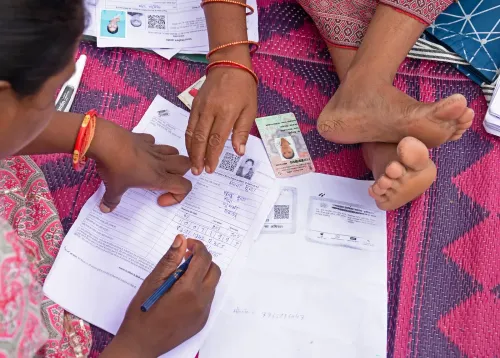
The SIR covered house-to-house verification of 23,49,645 electors ; the draft roll was published in August .
The final electoral roll is scheduled for publication in October 2026 , following the current notice and hearing phase.
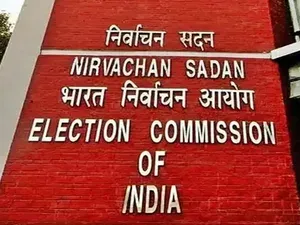
Shullai accused the Congress and INDIA Bloc partners of spreading misinformation about the Election Commission of India (ECI) .
He cited the Joint Press Note from the full Commission meeting as a formal rebuttal to opposition allegations.
Congress has separately raised objections to the ECI's functioning and the SIR process, making it a major political flashpoint.
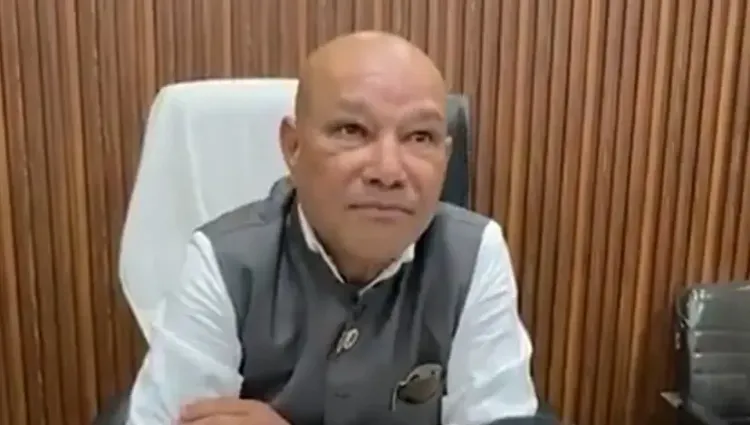
Meghalaya Cabinet Minister and Bharatiya Janata Party (BJP) leader Sanbor Shullai on Tuesday, 29 September defended the ongoing Special Intensive Revision (SIR) of electoral rolls in the state, asserting that the exercise is essential to prevent ineligible persons — including illegal immigrants — from obtaining voting rights. His remarks came amid a heated political standoff between the ruling alliance and the opposition over the integrity of the revision process.
What the SIR Covers
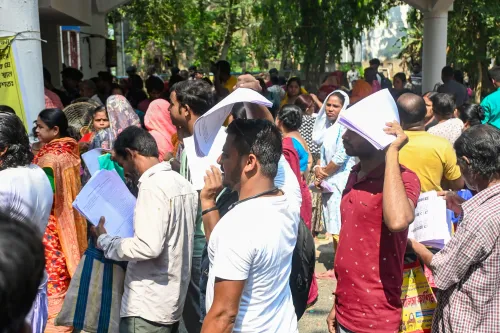
According to official records, Meghalaya's SIR involved house-to-house verification covering 23,49,645 electors, with the draft electoral roll published in August. The exercise is currently in the notice and hearing phase, with the final electoral roll scheduled for publication in October. The scale of the exercise underscores the Election Commission of India's (ECI) stated objective of maintaining an accurate and up-to-date voter database in the state.
Shullai's Rebuttal to Congress
Shullai squarely targeted the Indian National Congress (Congress) and its INDIA Bloc partners, accusing them of spreading misinformation about the Election Commission of India (ECI) and engineering confusion over the roll revision. He cited the Joint Press Note issued after a full Commission meeting as evidence that the allegations had been formally countered. 'The Joint Press Note has conclusively proved that Congress and its I.N.D.I. alliance partners have been manufacturing lies to mislead the people of the country,' Shullai said in a statement.
He further argued that the three Election Commissioners had acted with full consensus on major decisions, directly rejecting claims of internal discord within the poll panel. 'SIR is an important step to ensure that illegal immigrants don't get to vote in our state,' he said.
Political Context and Opposition Criticism
The Congress has separately raised objections to the ECI's functioning and the SIR process, making the electoral-roll revision a significant flashpoint in Meghalaya's political landscape. Shullai alleged that the opposition had developed a pattern of attacking constitutional institutions — including the Election Commission and the judiciary — whenever faced with electoral reverses. He claimed that voters in Meghalaya had already rejected Congress and its allies at the ballot box, and that the party was now seeking to destabilise the electoral process through what he called 'malicious propaganda.'
He also referenced judicial scrutiny of the SIR process, though without specifying the proceedings concerned, and questioned why Congress was challenging the revision's procedural requirements.
Wider Implications for Electoral Integrity
This comes amid a broader national debate over the SIR process, with opposition parties in multiple states raising concerns about documentation requirements they argue could disenfranchise marginalised and migrant communities. Notably, Meghalaya's border geography — sharing frontiers with Bangladesh — makes illegal immigration a particularly charged political issue locally. The final publication of the revised roll in October will be closely watched by both ruling and opposition camps.
Point of View
But the absence of specifics on how the process distinguishes genuine citizens from long-resident migrants leaves the exercise open to legitimate scrutiny. The framing of any electoral-roll challenge as 'manufactured lies' risks conflating procedural accountability with political attack — a pattern that weakens rather than strengthens institutional trust. The Joint Press Note may have addressed internal Commission discord, but it does not settle the harder question of whether documentation requirements are uniformly accessible across socioeconomic groups. The October roll publication will be the real test: if disputed inclusions or exclusions are significant, the political temperature in Meghalaya will only rise.
NationPress
29 Sept 2026
Frequently Asked Questions
What is the Special Intensive Revision (SIR) of electoral rolls in Meghalaya?
The SIR is a house-to-house verification exercise conducted by the Election Commission of India to update and clean voter rolls. In Meghalaya, it covered 23,49,645 electors, with a draft roll published in August 2026 and the final roll due in October 2026.
Why is Sanbor Shullai defending the SIR process?
Shullai argues the SIR is necessary to prevent illegal immigrants from obtaining voting rights in Meghalaya. He has also accused the Congress and INDIA Bloc of spreading misinformation about the Election Commission to create political confusion around the revision.
What is the Congress's objection to the SIR?
The Congress has raised concerns about the Election Commission's functioning and the SIR's procedural requirements. The party has made the electoral-roll revision a major point of political contention, though Shullai disputes its characterisation of the process.
When will Meghalaya's revised electoral roll be published?
The final electoral roll is scheduled for publication in October 2026, after the current notice and hearing phase concludes. The draft roll was published in August following house-to-house verification.
What did the Election Commission's Joint Press Note say?
According to Shullai, the Joint Press Note issued after the full Commission meeting rebutted opposition allegations and confirmed that the three Election Commissioners had acted with consensus on major decisions. He cited it as proof that criticism of the process was politically motivated.