Meghalaya SIR 2026: 2.24 lakh voters face scrutiny over missing 2005 records
Synopsis
Nearly one in ten registered voters in Meghalaya — over 2.24 lakh people — cannot be traced to the 2005 electoral database, placing them in a 'No Mapping' category that now triggers a fresh round of physical verification. The outcome, decided between August and October, could reshape the state's voter list ahead of future elections.
Key Takeaways
The SIR 2026 enumeration covered all 23,49,645 registered electors in Meghalaya .
2,24,234 electors ( 9.54% ) could not be matched to the 2005 electoral database and are placed in the 'No Mapping' category.
7,75,337 electors (33%) were verified under the 'Self' category; 11,69,670 (49.78%) under the 'Progeny' category.
1,80,404 electors (7.68%) are flagged under the ASDD category — including 81,490 deceased and 6,701 duplicate entries.
Claims and objections period runs from 5 August to 3 October 2026 ; draft electoral roll due on 5 August .
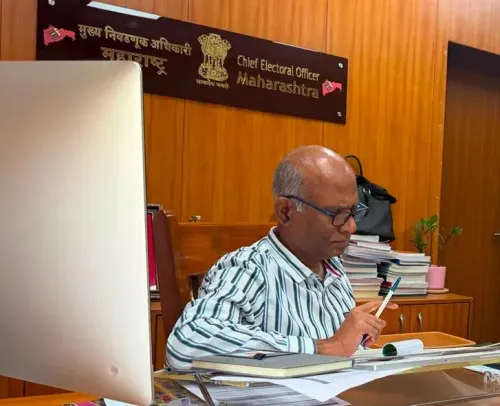
More than 2.24 lakh voters in Meghalaya are set for detailed verification after their electoral records failed to match the 2005 electoral database during the ongoing Special Intensive Revision (SIR) 2026 of electoral rolls, officials announced on Thursday, 30 July. The disclosure came as the Office of the Chief Electoral Officer (CEO) confirmed the successful completion of the first phase of the statewide enumeration exercise.
Scale of the Enumeration Exercise
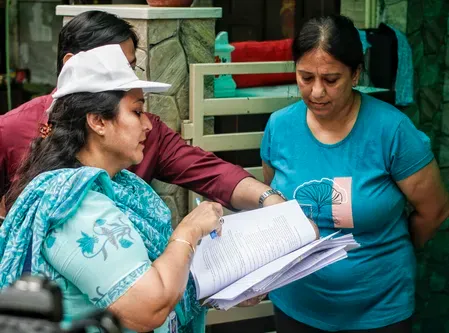
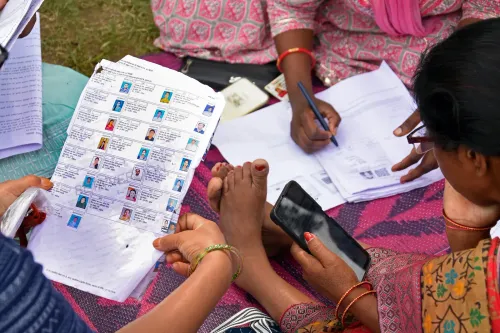
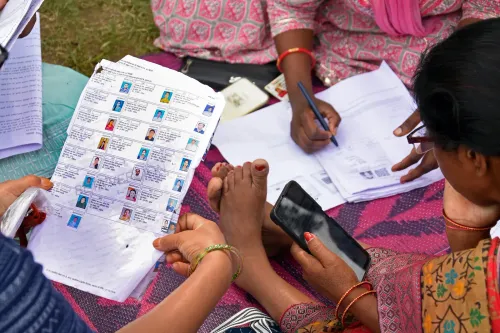
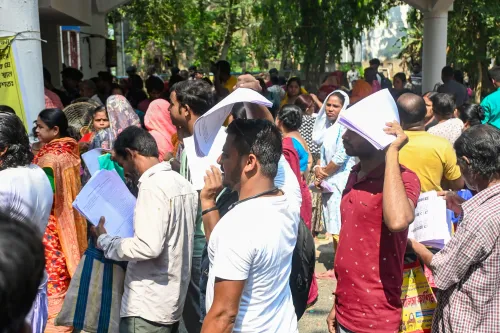
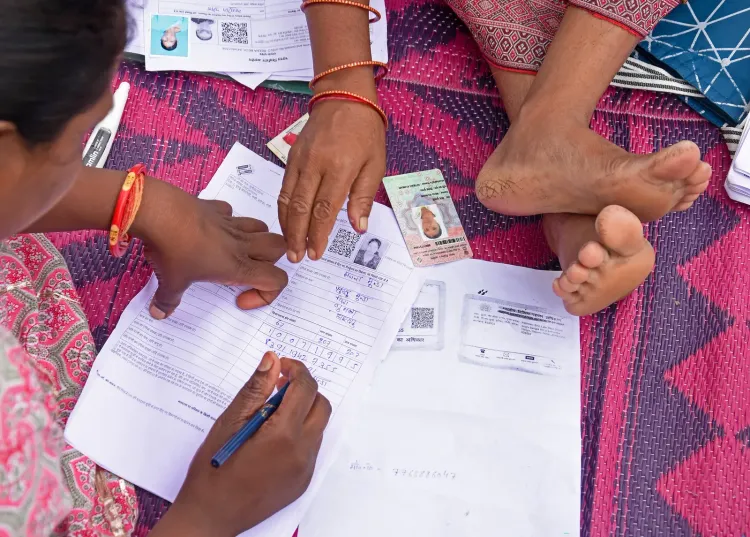
The house-to-house enumeration covered all 23,49,645 registered electors across the state. Enumeration Forms were distributed to every elector and all collected forms have since been digitised, marking the formal close of the revision's initial stage. The exercise involved recognised political parties, Booth Level Agents (BLAs), election officials, community leaders, and citizens.
The 'No Mapping' Category
Analysis of the digitised data revealed that 2,24,234 electors — accounting for 9.54 per cent of Meghalaya's total electorate — could not be matched against the 2005 rolls. These voters have been placed in the 'No Mapping' category. They will now face detailed verification during the claims and objections period running from 5 August to 3 October, before any decision is taken on their inclusion in the final electoral roll.
How the Rest Were Verified
Of those successfully verified, 7,75,337 electors (33 per cent) were cleared under the 'Self' category by directly matching their own records with the 2005 database. A further 11,69,670 electors (49.78 per cent) were linked under the 'Progeny' category — verified through the electoral records of their parents or grandparents in the 2005 rolls.
Absent, Shifted, Deceased and Duplicate Electors
The exercise also flagged 1,80,404 electors (7.68 per cent) under the Absent, Shifted, Deceased and Duplicate (ASDD) category. This group comprises 81,490 deceased electors, 45,013 voters whose Enumeration Forms were not returned, 42,532 permanently shifted electors, 4,668 refusals, and 6,701 duplicate entries.
What Happens Next
The next phase of the SIR will focus on physical verification of both the 'No Mapping' and ASDD categories ahead of the publication of the draft electoral roll on 5 August, in line with the schedule set by the Election Commission of India (ECI). The outcome of the claims and objections period, concluding on 3 October, will determine the final composition of Meghalaya's electoral roll.
Point of View
Versus actual ghost entries? The ASDD tally of over 1.8 lakh — including 81,490 deceased and 6,701 duplicates — signals that the rolls had accumulated considerable dead weight over the years. The real test of this exercise is not the enumeration phase, which went smoothly, but the claims period: whether the verification machinery can process over four lakh contested cases fairly and transparently between August and October.
NationPress
14 Sept 2026
Frequently Asked Questions
What is the Special Intensive Revision (SIR) 2026 in Meghalaya?
The Special Intensive Revision (SIR) 2026 is a statewide exercise ordered by the Election Commission of India to audit and update Meghalaya's electoral rolls. It involved house-to-house enumeration of all 23,49,645 registered electors, with forms digitised and cross-referenced against the 2005 electoral database.
Why are 2.24 lakh Meghalaya voters under scrutiny?
These 2,24,234 voters could not be matched to the 2005 electoral database during data analysis and have been placed in the 'No Mapping' category. They will undergo detailed physical verification during the claims and objections period from 5 August to 3 October before a decision is made on their inclusion in the final roll.
What is the ASDD category in the Meghalaya SIR?
ASDD stands for Absent, Shifted, Deceased, and Duplicate — a classification used for electors whose status raises concerns. In Meghalaya's SIR 2026, 1,80,404 electors (7.68%) fall in this category, including 81,490 deceased voters, 42,532 permanently shifted electors, 45,013 whose forms were not returned, 4,668 refusals, and 6,701 duplicate entries.
When will the draft electoral roll be published in Meghalaya?
The draft electoral roll is scheduled for publication on 5 August 2026, after which the claims and objections period will run until 3 October 2026. Physical verification of 'No Mapping' and ASDD categories will take place before the draft is finalised.
How were most Meghalaya voters verified in SIR 2026?
The majority were verified in two ways: 7,75,337 electors (33%) were matched directly through their own records under the 'Self' category, while 11,69,670 electors (49.78%) were linked via their parents' or grandparents' records in the 2005 rolls under the 'Progeny' category.