Meghalaya SIR 2026: 90% hearings done, BLOs to conduct home visits for electoral roll
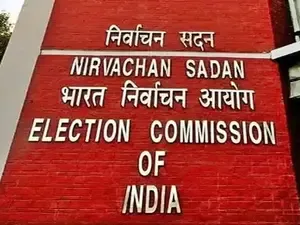
Synopsis
Meghalaya's electoral roll overhaul has crossed a key milestone — 90.65% of SIR hearings done — but over 6.5 lakh voters with mapping gaps still face scrutiny. BLOs will now go door-to-door, a significant logistical push to ensure no eligible voter is dropped before the Final Electoral Roll is published.
Key Takeaways
90.65% of SIR 2026 hearings completed in Meghalaya as of 30 September 2026 ; 5,90,784 hearings done out of 6,51,735 notices issued.
Meghalaya's Draft Electoral Roll covers 21,69,243 electors ; 19,07,182 retained for final publication after scrutiny.
910 electors found ineligible for inclusion in the Final Electoral Roll .
BLOs will conduct home visits for 2,22,786 'No Mapping' and 4,28,949 'Mapping Discrepancy' cases across the state.
23,259 applications digitised, including 12,624 Form 6 , 1,616 Form 7 , and 9,019 Form 8 filings.
Claims and objections period ended 18 September ; revision now in its final statutory stages.
More than 90 per cent of hearings under Meghalaya's Special Intensive Revision (SIR) 2026 of electoral rolls have been completed, with Booth Level Officers (BLOs) now set to visit voters' homes to collect documents in cases involving mapping discrepancies and gaps in electoral records, officials confirmed on Wednesday, 30 September 2026. The development marks a critical transition in the revision process as it enters its final statutory stages.
Progress at a Glance
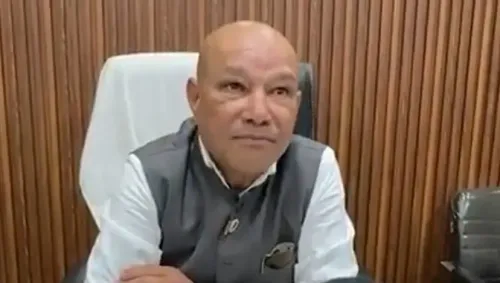
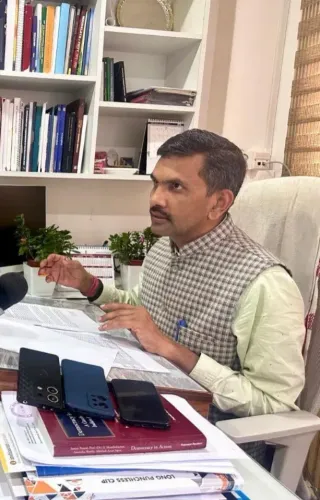
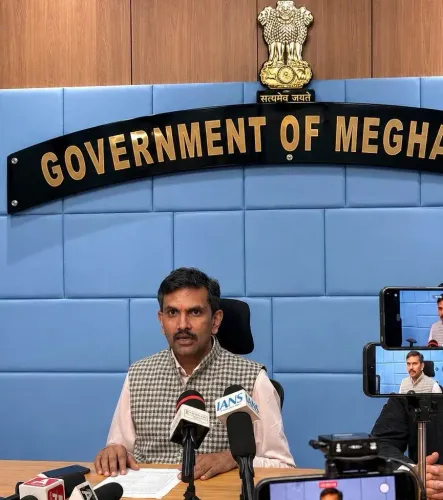
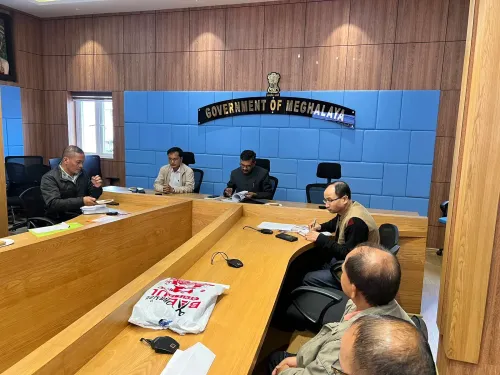
Meghalaya Chief Electoral Officer (CEO) Dr B.D.R. Tiwari reviewed the SIR 2026 progress during a virtual meeting held on 29 September with Deputy Commissioners, District Election Officers, Electoral Registration Officers (EROs), and other senior election officials across the state.
Meghalaya's Draft Electoral Roll currently lists 21,69,243 electors. Of the 6,51,735 notices generated during the revision process, 6,51,066 have been delivered, while 619 remain unserved. A total of 5,90,784 hearings have been completed, accounting for 90.65 per cent of all notices issued.
Eligibility Outcomes and Applications Processed
Following mandatory scrutiny, 910 electors have been found ineligible for inclusion in the Final Electoral Roll, while 19,07,182 electors have been retained for final publication. Election authorities have digitised 23,259 applications in total — comprising 12,624 Form 6 applications for new enrolment, 1,616 Form 7 applications relating to objections or deletions, and 9,019 Form 8 applications concerning address shifting and corrections.
Home Visits for Mapping Discrepancy Cases
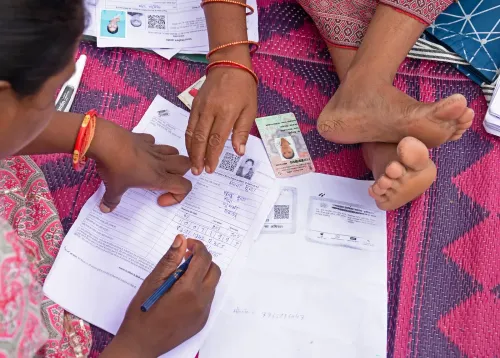
The revision's next phase will focus on 2,22,786 'No Mapping' cases and 4,28,949 'Mapping Discrepancy' cases identified across the state. Under the latest Election Commission of India (ECI) directives, BLOs will visit the homes of electors falling under these two categories to collect and upload the required documents through the ECINET portal.
Notably, such electors will generally not need to visit ERO or AERO offices in person. Hearings will be conducted only in exceptional circumstances as determined by the ERO, and will preferably be held online. An elector may also authorise an adult family member to appear on their behalf.
Support for Vulnerable Voters
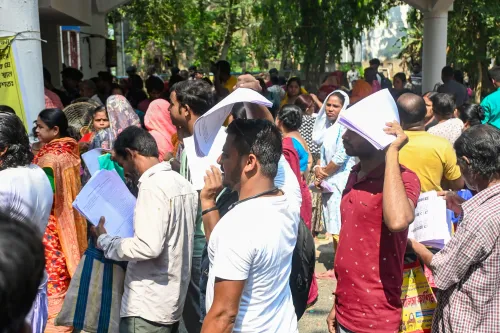
Officials have been directed to establish dedicated help desks and special camps for senior citizens, Persons with Disabilities (PwD), labourers, homeless individuals, and other vulnerable groups. The CEO's office clarified that receiving a notice — or being categorised under 'No Mapping' or 'Mapping Discrepancy' — does not automatically result in the deletion of a voter's name from the rolls.
What Happens Next
With the claims and objections period having ended on 18 September, the revision is now in its final statutory phase. The CEO's office has urged all eligible citizens to verify their names when the Final Electoral Roll is published, reiterating that no eligible elector should be excluded from the process.
Point of View
Nearly 90,000 mapping anomalies still unresolved — reflects a wider challenge facing electoral rolls in smaller northeastern states where address data and geospatial mapping remain patchy. The BLO home-visit model is a pragmatic workaround, but it places a heavy field burden on officers who are often understaffed. Critically, the CEO's reassurance that 'No Mapping' categorisation does not automatically mean deletion is important public communication — but its reach in remote areas depends entirely on how well the help desks and special camps are publicised. With the final roll publication imminent, the last-mile execution will determine whether the revision strengthens voter inclusion or quietly leaves gaps.
NationPress
30 Sept 2026
Frequently Asked Questions
What is Meghalaya's Special Intensive Revision (SIR) 2026?
The Special Intensive Revision (SIR) 2026 is a comprehensive review of Meghalaya's electoral rolls conducted under the Election Commission of India's directives, covering all 21,69,243 electors on the state's Draft Electoral Roll. The process involves issuing notices, conducting hearings, and verifying eligibility before the Final Electoral Roll is published.
Why will BLOs visit voters' homes during the SIR process?
Booth Level Officers (BLOs) will conduct home visits to collect and upload documents for 2,22,786 'No Mapping' and 4,28,949 'Mapping Discrepancy' cases identified across Meghalaya. The ECI has directed this approach so affected voters generally do not need to travel to ERO or AERO offices in person.
Does receiving a notice mean a voter will be removed from the electoral roll?
No. The CEO's office has clarified that receiving a notice or being categorised under 'No Mapping' or 'Mapping Discrepancy' does not automatically result in the deletion of a voter's name. The categorisation simply triggers a document-verification step before the Final Electoral Roll is finalised.
How many electors have been found ineligible in Meghalaya's SIR 2026?
Following scrutiny under the prescribed procedure, 910 electors have been found ineligible for inclusion in the Final Electoral Roll, while 19,07,182 electors have been retained for final publication.
Who can get help during the SIR 2026 process in Meghalaya?
Officials have been directed to set up dedicated help desks and special camps for senior citizens, Persons with Disabilities, labourers, homeless individuals, and other vulnerable groups. An elector may also authorise an adult family member to appear on their behalf for hearings.