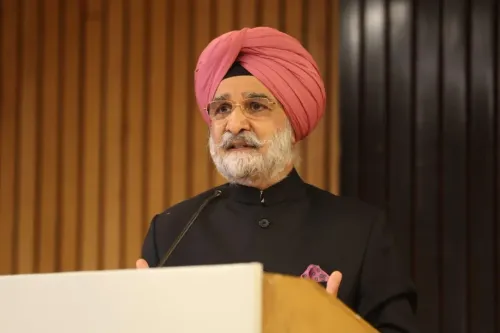
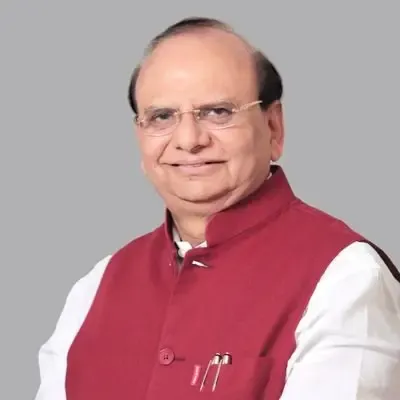
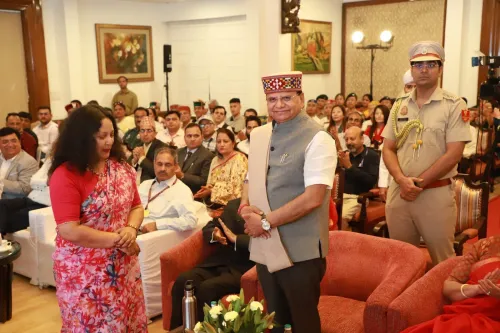
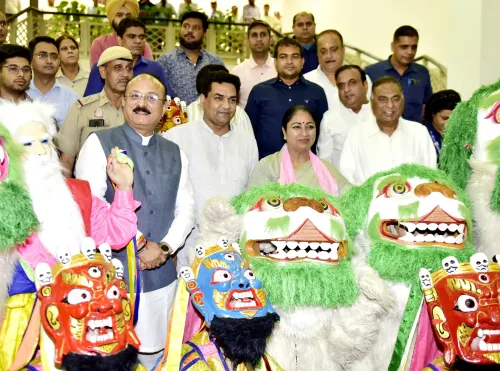
Mika Singh meets Delhi L-G TS Sandhu to discuss city's creative scene
Synopsis
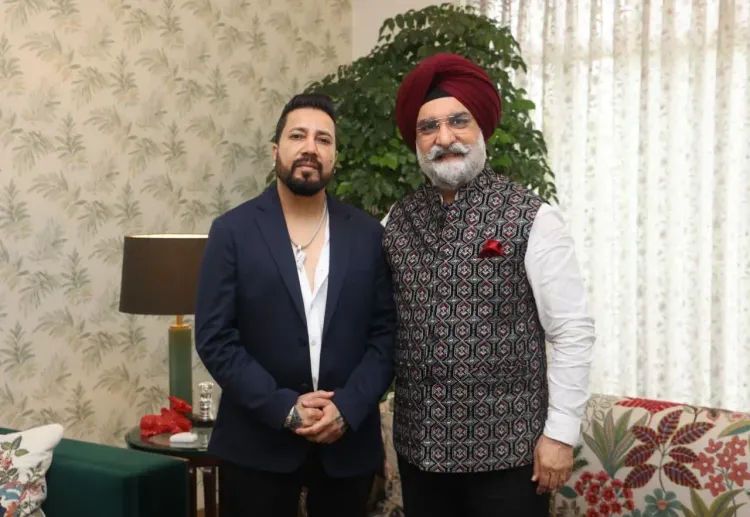
Delhi L-G T.S. Sandhu hosted singer Mika Singh at Lok Niwas for a conversation on music and the capital's creative landscape — a meeting that signals the administration's interest in engaging the entertainment world, even as the practical outcomes for Delhi's arts community remain undefined.
Key Takeaways
Sandhu met singer Mika Singh at Lok Niwas on 9 July .
The meeting covered music, culture, and Delhi's creative landscape , as confirmed via an official post on X.
Mika Singh's latest track 'Vyah Karwado Ji' features in Hai Jawani Toh Ishq Hona Hai starring Varun Dhawan , Mrunal Thakur , and Pooja Hegde .
Mika turned 49 on 10 June ; Euphoria frontman Palash Sen marked the occasion with a tribute on Instagram.
Palash Sen founded pop-rock band Euphoria in 1998 ; the band has released 16 singles via a DIY digital model.
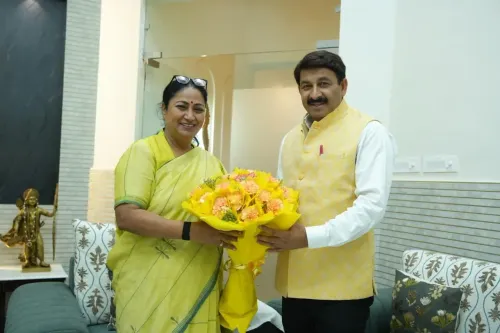
Delhi Lieutenant Governor T.S. Sandhu on Thursday, 9 July welcomed popular playback singer and music composer Mika Singh at Lok Niwas, where the two held a wide-ranging conversation on music, culture, and the national capital's evolving creative landscape.
What Was Discussed
The official handle of Lok Niwas shared details of the meeting on social media platform X, noting that the interaction was warm and centred on Delhi's vibrant creative ecosystem. 'Popular playback singer and music composer @MikaSingh called on the @LtGovDelhi, @SandhuTaranjitS, at @LokNiwasDelhi today. They had a warm interaction on music, culture, and Delhi's vibrant creative landscape,' the post read.
Mika Singh: A Career in Numbers
Mika Singh, younger brother of bhangra icon Daler Mehndi, has built one of Bollywood's most recognisable catalogues of party anthems. His best-known tracks span more than a decade of Hindi cinema — from 'Bas Ek King' (Singh Is Kinng) and 'Mauja Hi Mauja' (Jab We Met) to 'Dhanno' (Housefull), 'Dhinka Chika' (Ready), and 'Chinta Ta Chita' (Rowdy Rathore).
His latest release, 'Vyah Karwado Ji', features in the film Hai Jawani Toh Ishq Hona Hai, starring Varun Dhawan, Mrunal Thakur, and Pooja Hegde.
Recent Milestones
The singer turned 49 on 10 June, drawing a heartfelt tribute from his long-time friend and Euphoria frontman Palash Sen. Sen, who founded the Indian pop-rock band Euphoria in 1998, shared a throwback video on Instagram of the two performing together on stage, with Mika joining in on the band's signature track 'Maeri'.
'There is only one Mika Singh, he is my dear brother... Brother, you don't just get on stage... you bring the entire party with you!' Sen wrote in the caption, adding birthday wishes for the singer. Euphoria has since released 16 singles through a DIY approach, embracing the digital shift in the music industry.
Significance of the Meeting
The L-G's engagement with a prominent figure from the entertainment world signals a broader push to position Delhi as a hub for cultural and creative industries. Such interactions between administrative heads and artists have grown more frequent as cities compete to attract creative talent and cultural investment. How this conversation translates into concrete policy or institutional support for Delhi's arts community remains to be seen.
Point of View
But the absence of any announced outcome — a cultural policy, a festival, an institutional tie-up — raises a fair question about substance. Delhi's creative sector has genuine unmet needs: affordable rehearsal and recording infrastructure, a streamlined events-licensing regime, and stronger support for independent artists. If the L-G's engagement with Mika Singh is the start of a structured conversation with the creative community, it is worth watching. If it is a photo opportunity, it joins a long line of well-intentioned interactions that produced little beyond a social media post.
NationPress
8 Oct 2026
Frequently Asked Questions
Why did Mika Singh meet Delhi L-G T.S. Sandhu?
Mika Singh called on Delhi Lieutenant Governor T.S. Sandhu at Lok Niwas on 9 July for a discussion on music, culture, and the national capital's creative landscape. The meeting was described as a warm interaction, with details shared via the official Lok Niwas account on X.
What is Mika Singh's latest song?
Mika Singh's latest track is 'Vyah Karwado Ji', featured in the film Hai Jawani Toh Ishq Hona Hai, which stars Varun Dhawan, Mrunal Thakur, and Pooja Hegde.
Who is Mika Singh related to in the music industry?
Mika Singh is the younger brother of bhangra and pop singer Daler Mehndi, one of India's most recognised music personalities.
What did Palash Sen say about Mika Singh on his birthday?
Palash Sen, frontman of the band Euphoria, paid tribute to Mika Singh on his 49th birthday on 10 June, sharing a video of the two performing together and writing: 'You don't just get on stage... you bring the entire party with you.'
What is Euphoria and who founded it?
Euphoria is an Indian pop-rock band founded by Palash Sen in 1998. The band has released 16 singles using a DIY approach and has embraced digital platforms throughout its career.