BJP MLA Narendra Mehta's 'Jain Nagari' remark sparks row in Mira-Bhayander
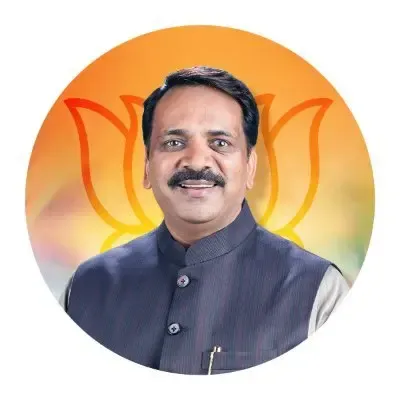
Synopsis
BJP MLA Narendra Mehta's claim that Mira-Bhayander is a 'Jain Nagari' has reignited a long-running battle over the constituency's identity — with the MNS invoking Koli, Aagri, and Marathi communities in a direct counter. Coming just weeks after a forced school lunchbox policy rollback and amid corruption allegations, the remark adds to a growing list of controversies surrounding one of Maharashtra's more combative sitting MLAs.
Key Takeaways
BJP MLA Narendra Mehta called Mira-Bhayander a 'Jain Nagari' at an event in Thane on 1 October 2026 .
MNS leader Sachin Pople termed the remark divisive, asserting the city belongs to Koli, Aagri, and Marathi communities.
Mehta also defended past decisions including a Paryushan root-vegetable ban in his school and white road strips for Jain monks — both of which had previously drawn MNS opposition.
Earlier in September 2026 , the lunchbox directive at Seven Square Academy was withdrawn after protests.
Mehta faces separate allegations of demanding a 10% stake and a flat to clear an Occupancy Certificate for a Bhayander East project — charges he has denied.
A land dispute involving an entity linked to Mehta was resolved only after the aggrieved party reportedly met Prime Minister Narendra Modi in New Delhi .
Maharashtra Bharatiya Janata Party (BJP) MLA Narendra Mehta has courted fresh controversy after describing the Mira-Bhayander region as a 'Jain Nagari' (Jain city) during a public event in Thane on Thursday, 1 October 2026, drawing an immediate and sharp rebuttal from the Maharashtra Navnirman Sena (MNS). The remark has reignited debate over the imposition of religious identity on a multi-community constituency in the Mumbai Metropolitan Region.
What Mehta Said
Addressing the gathering, Mehta framed Mira-Bhayander's identity through its Jain religious heritage. 'I come from a city that is often referred to as a mini-Rajasthan or a Jain Nagari. Mira-Bhayander has over 33 Jain temples and sees the visits of many saints and monks,' he said. The MLA, who described himself as fortunate to have been born into a Jain family, added that his community affiliations directly shape his political priorities. 'Whenever issues concerning the Jain community arise in Mira-Bhayander, we stand firmly with them,' he stated.
Mehta also revisited two earlier episodes that had generated public backlash — a school ban on root vegetables during the Jain festival of Paryushan, and white pathways painted on roads for barefoot Jain monks. He defended both decisions, saying, 'We stay true to our beliefs' and 'We stood our ground.'
MNS Fires Back
Sachin Pople, MNS President for the Mira-Bhayander Assembly constituency, issued a direct counter, accusing Mehta of deploying divisive rhetoric. 'Narendra Mehta went to Thane and spewed rhetoric, claiming Mira-Bhayander belongs to Jains. Mehta should stop these divisive tactics. The MNS firmly reminds you that Mira-Bhayander belongs to the Koli, Aagri, and Marathi people,' Pople said.
Pople also levelled a pointed charge of inconsistency against Mehta, alleging that the MLA enforces religious dietary norms in his school while allegedly selling alcohol and serving root vegetables in his hotel business. 'Religion seems to matter to you in schools, but not when it comes to business and making money,' Pople remarked. He further claimed that MNS pressure had earlier forced Mehta to withdraw the lunchbox directive from his school's portal, and that MNS members had painted black over the white road strips.
A Pattern of Controversies
This is not the first time Mehta has found himself at the centre of a public dispute. Earlier in September 2026, his Seven Square Academy — managed under the Seven Eleven Group — issued a circular directing students not to bring root vegetables including onion, garlic, beetroot, and potatoes in their lunchboxes during Paryushan. Political opposition parties and parent groups condemned the move as an imposition of religious dietary restrictions on schoolchildren. Following protests by the MNS and other groups, the directives were withdrawn.
In a separate and more serious allegation, Devram Mandora, a partner at Janhavi Developers working on the 'Damodar Tower' project in Bhayander East, accused Mehta and members of his brother's family of blocking the Occupancy Certificate (OC) for the building, allegedly demanding a 10 per cent stake in the project along with a flat in exchange. Transport Minister Pratap Sarnaik held a review meeting with civic officials and directed police to examine audio recordings submitted by the builder. Mehta dismissed the allegations as fabricated, calling the builder a defaulter and the audio clip selectively edited. Shortly after, the builder was arrested by Mira Road police in a separate ₹1.06 crore fraud case filed by a contractor.
In yet another episode, Asgar Ali Vohra — described as a childhood acquaintance of Prime Minister Narendra Modi — had been engaged in a long-standing land dispute in Bhayander East involving an entity connected to Mehta. After Vohra reportedly met Prime Minister Modi in New Delhi to raise the land-grabbing grievance, state administrative machinery moved swiftly. The entity associated with Mehta subsequently surrendered possession of the disputed land and withdrew its construction approvals.
What This Signals
Notably, Mira-Bhayander is a religiously and ethnically diverse constituency with significant Koli, Aagri, and Marathi communities alongside its Jain population. Critics argue that framing the city's identity through a single religious lens risks alienating large voter blocs. This is at least the third high-profile controversy involving Mehta in recent months, suggesting a pattern of decisions that blend religious identity with civic governance — a combination that has consistently drawn organised opposition.
With the MNS now publicly challenging Mehta on both identity politics and alleged double standards, the controversy is unlikely to settle quickly, and how the BJP responds — or chooses not to — will be closely watched ahead of future local body elections in the region.
Point of View
Each involving the use of religious identity to shape civic spaces. What the MNS has correctly identified is the contradiction at the core: religious observance enforced on schoolchildren while, according to critics, business operations follow no such rules. For the BJP, Mehta's repeated controversies pose a local management problem; for Mira-Bhayander's diverse electorate, they raise a more fundamental question about who the MLA believes he represents. The speed with which land and OC disputes moved after external intervention — one involving a Modi acquaintance, another reaching the Transport Minister — also warrants scrutiny that goes beyond the identity politics row dominating today's headlines.
NationPress
1 Oct 2026
Frequently Asked Questions
What did BJP MLA Narendra Mehta say about Mira-Bhayander?
Speaking at a Thane event on 1 October 2026, Mehta referred to Mira-Bhayander as a 'Jain Nagari' (Jain city), citing its over 33 Jain temples and frequency of visits by Jain saints and monks. He also said he stands firmly with the Jain community whenever issues arise in the constituency.
How did the MNS respond to Mehta's 'Jain Nagari' remark?
MNS Mira-Bhayander Assembly President Sachin Pople called the remark divisive and asserted that the city belongs to the Koli, Aagri, and Marathi people. Pople also accused Mehta of hypocrisy, alleging he imposes religious rules in his school while running hotels that sell alcohol and serve root vegetables.
What is the Paryushan root-vegetable controversy involving Mehta?
In September 2026, Mehta's Seven Square Academy issued a directive barring students from bringing root vegetables — including onion, garlic, beetroot, and potatoes — in their lunchboxes during the Jain festival of Paryushan. Following protests by MNS and parent groups, the directive was withdrawn.
What are the corruption allegations against Narendra Mehta?
Builder Devram Mandora of Janhavi Developers alleged that Mehta and his brother's family demanded a 10% stake in the 'Damodar Tower' project and a flat in exchange for clearing an Occupancy Certificate. Mehta denied the charges, calling them fabricated. The builder was subsequently arrested in a separate ₹1.06 crore fraud case by Mira Road police.
What happened in the Bhayander East land dispute involving Mehta?
A childhood acquaintance of Prime Minister Narendra Modi, Asgar Ali Vohra, was involved in a long-standing land dispute with an entity linked to Mehta in Bhayander East. After Vohra reportedly met PM Modi in New Delhi to raise the matter, state machinery moved rapidly and the entity surrendered possession of the disputed land and withdrew its construction approvals.