UP CEO rejects 85,854 voter deletion report as 'misleading'
Synopsis
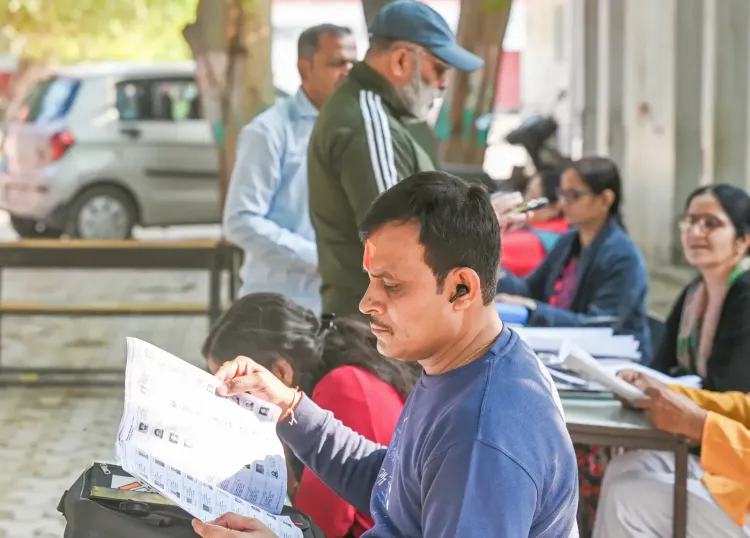
The Uttar Pradesh CEO's office has rejected a media report claiming 85,854 voter deletions during the state's Special Intensive Revision were auto-generated without reason — a second such rebuttal this month. With poll-bound UP's opposition already alleging ECI bias, the dispute over electoral roll integrity is fast becoming a defining political flashpoint.
Key Takeaways
UP CEO Navdeep Rinwa's office on 13 October called media claims about 85,854 Form-7 voter deletions 'misleading.' The office said all deletions followed a four-step process: discrepancy identification, written notices, hearings, and final deletion orders.
Pending cases were reportedly decided after 6 March in accordance with prescribed procedure.
Earlier this month, the same office also rejected allegations that over 16 lakh voters were added irregularly during the SIR.
16.18 lakh Form-6 applications were collected by Booth Level Officers (BLOs) during the enumeration phase from 27 October 2025 to 6 January 2026 .
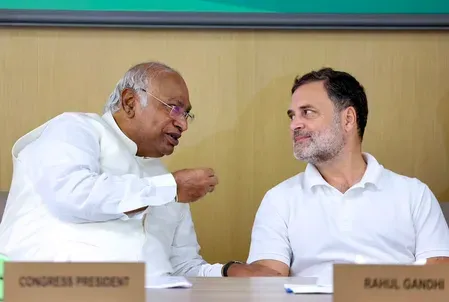
Opposition parties have accused the ECI of deliberate voter manipulation in poll-bound Uttar Pradesh .
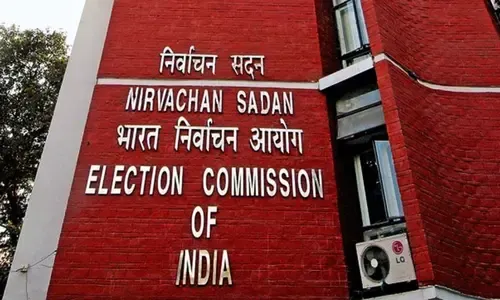
The office of the Uttar Pradesh Chief Electoral Officer (CEO) on Tuesday, 13 October formally rejected claims that the Election Commission of India (ECI) compelled officers to sign deletion forms for 85,854 voters without specifying a valid reason during the Special Intensive Revision (SIR) of electoral rolls in the state. The office called the media report carrying these allegations 'misleading' and outlined the due process it says was followed.
What the Media Report Alleged
According to the media report in question, the ECI's ERONET software auto-generated 85,854 Form-7 applications — used for objecting to a voter's inclusion or deletion — without specifying a valid reason, and officers were reportedly pressured into signing them after the deadline. The report alleged that these were post-deadline, reasonless software-generated entries that bypassed standard procedural safeguards.
What the UP CEO's Office Said
Uttar Pradesh CEO Navdeep Rinwa's office countered these claims directly, stating that every deletion was preceded by a structured four-step process. According to the CEO's statement: 'Claims that 85,854 Form-7 entries were auto-generated to delete UP voters without reason during SIR are misleading. Notices, hearings, scrutiny and recorded orders preceded action. Pending cases were decided after 6 March as per procedure.'
Accompanying infographics released by the office detailed the four-step sequence: discrepancy identification in documents or data; issuance of written notices to affected voters; opportunity for hearings with evidence review; and final deletion orders issued only where a voter was determined to be ineligible. The CEO also urged the public to rely exclusively on official sources for information about the electoral roll exercise.
The Broader Political Context
This clarification arrives amid a charged political environment surrounding the SIR in poll-bound Uttar Pradesh. Opposition parties have accused the ECI of bias, alleging that the revision process has been used to deliberately delete voter names. The controversy has intensified as the state moves closer to its electoral cycle, making the integrity of voter rolls a flashpoint between the ruling establishment and opposition groups.
Notably, this is not the first such dispute to emerge from the SIR in the state. Earlier this month, the UP CEO's office had also dismissed a separate media report that alleged the 'addition' of more than 16 lakh voters and other irregularities during the roll revision exercise. That statement described the claims as 'incorrect' and 'based on faulty assumptions.'
The Earlier Voter Addition Controversy
In its earlier rebuttal, the CEO's office confirmed that 16.18 lakh Form-6 applications — used for adding a person's name to the electoral rolls — were collected before the draft roll publication date of 6 January 2026. The forms were gathered during house-to-house visits by Booth Level Officers (BLOs) in the enumeration phase, which ran from 27 October 2025 to 6 January 2026. The CEO's office maintained that the entire SIR was conducted 'with utmost transparency and strictly in accordance with the Representation of the People Act, 1950, the Registration of Electors Rules, 1960, and the extant instructions of the Election Commission of India.'
What Comes Next
With opposition pressure mounting and fresh media reports continuing to surface, the UP CEO's office faces growing scrutiny over the completeness and fairness of the SIR. Whether independent review mechanisms or court interventions may be sought by opposition parties remains to be seen, as Uttar Pradesh's electoral roll exercise continues to draw political fire.
Point of View
But the absence of an independently verifiable audit trail leaves the door open for political exploitation. What is missing from both sides of this debate is granular, publicly accessible data that citizens — not just officials — can scrutinise. Until that exists, each fresh media report will prompt a fresh denial, and the credibility of the SIR process will remain hostage to a political slugfest rather than facts.
NationPress
13 Oct 2026
Frequently Asked Questions
What is the 85,854 voter deletion controversy in Uttar Pradesh?
A media report alleged that the ECI's ERONET software auto-generated 85,854 Form-7 applications to delete voters in Uttar Pradesh during the Special Intensive Revision without valid reasons, and that officers were pressured into signing them post-deadline. The UP CEO's office rejected these claims as 'misleading,' stating that due process including notices, hearings, and recorded orders preceded every deletion.
What is Form-7 in the context of Indian electoral rolls?
Form-7 is an objection form used under electoral law to flag a voter's inclusion in or deletion from the electoral rolls. It must be accompanied by a valid reason and is followed by a hearing process before any deletion order is issued.
What four-step process did the UP CEO's office describe?
The UP CEO's office said deletions followed: (1) identification of discrepancies in documents or data; (2) issuance of written notices to affected voters; (3) an opportunity for hearings with evidence review; and (4) final deletion orders only where the voter was found ineligible. The office maintained that pending cases were resolved after 6 March as per prescribed procedure.
Has the UP CEO's office faced similar allegations before?
Yes. Earlier in October 2026, the UP CEO's office also rejected a separate media report alleging the irregular addition of over 16 lakh voters during the same SIR exercise, describing those claims as 'incorrect' and 'based on faulty assumptions.' This is the second such rebuttal within a single month.
Why is the Uttar Pradesh electoral roll revision politically sensitive?
Uttar Pradesh is poll-bound, making the integrity of its electoral rolls a high-stakes issue. Opposition parties have accused the ECI of bias, alleging that the SIR process has been selectively used to delete voter names. The government and the CEO's office have consistently denied these allegations, citing full compliance with the Representation of the People Act, 1950 and relevant electoral rules.