FS Misri meets US Congress delegation, Hooker on SRIA, energy security
Synopsis
India's Foreign Secretary Vikram Misri held a concentrated series of diplomatic meetings in New York — with a bipartisan US Congressional delegation, two State Department under-secretaries, and alongside EAM Jaishankar's talks with Secretary Rubio — all centering on the newly enacted Sanctioning Russia and Iran Act, a law that poses direct risk to Indian entities trading with Moscow and Tehran.
Key Takeaways
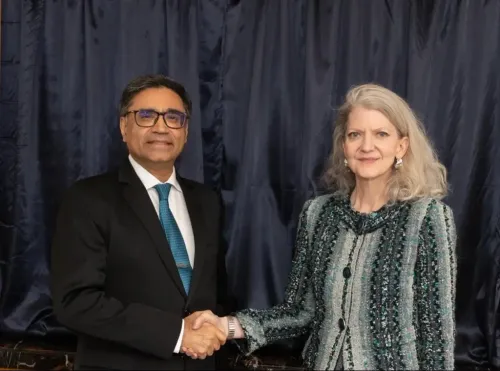
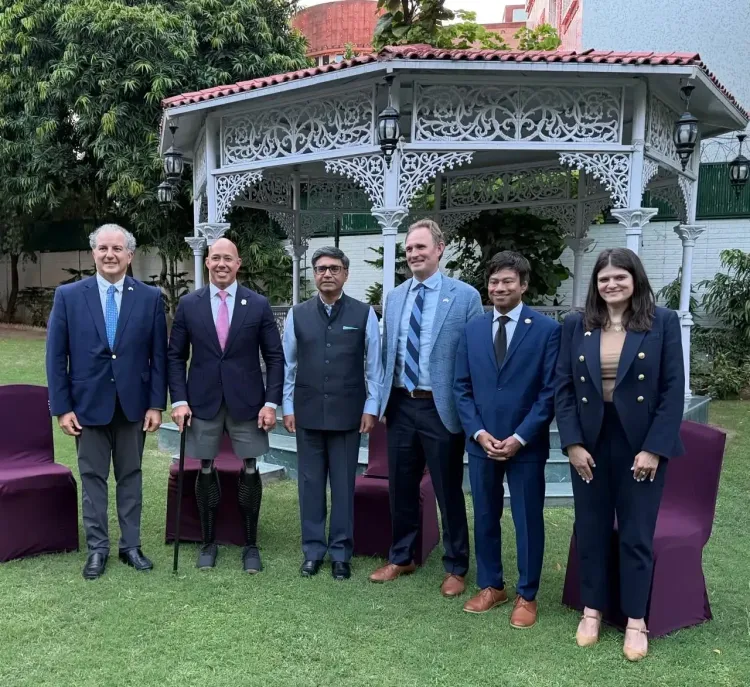
Foreign Secretary Vikram Misri met a bipartisan US Congressional delegation led by Representative Brian Mast in New York on Sunday .
Talks covered the Sanctioning Russia and Iran Act (SRIA) , energy security, counter-terrorism, and freedom of navigation.
Misri also met Under Secretary Allison Hooker on Thursday, discussing SRIA, civil nuclear cooperation, TRUST , and the Indian Ocean Strategic Venture .
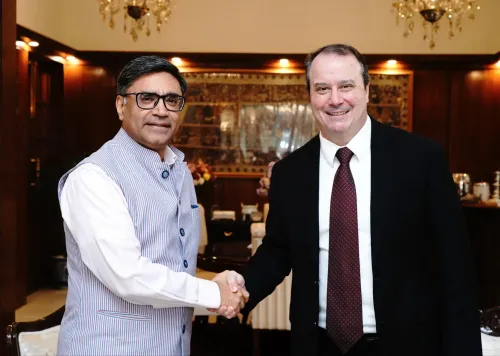
Misri and Under Secretary Jacob Helberg agreed to advance cooperation in critical technologies via the Pax Silica initiative and in semiconductors and critical minerals .
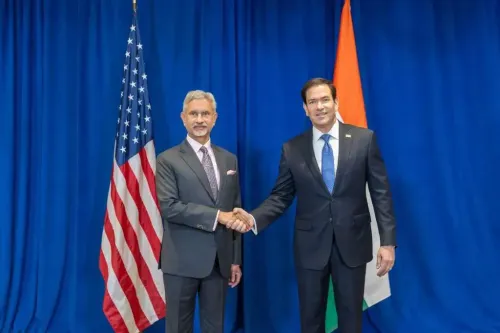
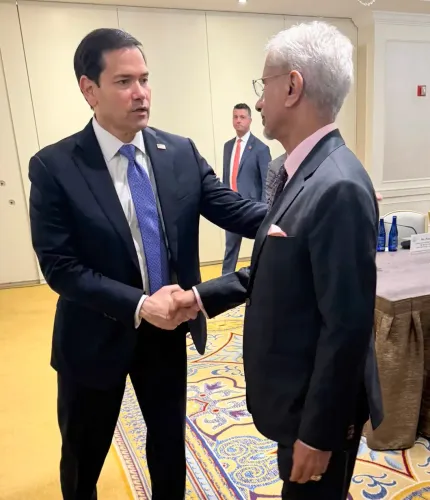
Jaishankar met Secretary Marco Rubio on Wednesday, reiterating India's concerns on SRIA and discussing Gulf and Ukraine situations.
Foreign Secretary Vikram Misri on Sunday met a bipartisan US Congressional delegation led by House Foreign Affairs Committee Chairman Representative Brian Mast in New York, with wide-ranging discussions covering bilateral ties, the recently enacted Sanctioning Russia and Iran Act (SRIA), energy security, counter-terrorism, and freedom of navigation.
Key Developments
The Ministry of External Affairs (MEA) confirmed that talks covered 'the entire gamut of India–US relations, including the recently enacted SRIA legislation and the future trajectory of the relationship.' The delegation included Representative Shri Thanedar and other US lawmakers. Both sides also exchanged views on international issues of mutual concern, reflecting the depth of the India–US strategic partnership.
Misri's Meetings with US State Department Officials
Separately, Misri held a meeting with US Under Secretary of State for Political Affairs Allison Hooker in New York on Thursday, where discussions spanned energy security, the SRIA, civil nuclear cooperation, the Transforming the Relationship Utilising Strategic Technology (TRUST) initiative, and the Indian Ocean Strategic Venture initiative. Indian Ambassador to the US Vinay Mohan Kwatra and other officials were present.
Misri also met US Under Secretary of State for Economic Affairs Jacob Helberg in New York. The MEA stated that both sides 'agreed to further advance India-US cooperation in critical and emerging technologies, including through the Pax Silica initiative, and strengthen supply-chain resilience through cooperation in semiconductors and critical minerals.'
Rubio-Jaishankar Meeting on SRIA and Indo-Pacific
Earlier on Wednesday, US Secretary of State Marco Rubio and External Affairs Minister S. Jaishankar held talks in New York, discussing possible sanctions against countries trading with Russia and Iran, energy security, developments in the Middle East, and the US-India Strategic Partnership. According to the State Department, Rubio underscored that 'the United States remains well-positioned to help regional partners address their energy security challenges.'
Notably, the State Department readout did not identify which countries could face sanctions, specify the economic activities under review, or record any sanctions decision. It also did not describe Jaishankar's response to the sanctions issue.
Jaishankar posted on X: 'Good to meet Secretary Marco Rubio of the US at UN High Level Week. Reiterated India's interests and concerns with regard to SRIA. Also discussed the Gulf and Ukraine situations.'
What the SRIA Means for India
The Sanctioning Russia and Iran Act has emerged as a significant pressure point in India–US ties, given India's continued energy imports from Russia since the Ukraine conflict began. India has consistently maintained its right to pursue energy deals in its national interest, and the flurry of diplomatic engagements this week — across Congressional and executive channels — signals New Delhi is actively managing the legislative risk the SRIA poses to Indian entities. This is the most concentrated series of high-level India–US diplomatic meetings around the SRIA since the legislation was enacted.
What Comes Next
The outcome of these engagements will likely shape how India navigates any future sanctions framework under SRIA. With semiconductors, critical minerals, and the Indo-Pacific agenda also on the table, the bilateral relationship appears to be entering a more transactional phase — one where strategic convergence and economic interests must be carefully balanced against US legislative imperatives.
Point of View
Political, and economic tracks all in one week — reveals how seriously New Delhi is treating the SRIA threat. India has quietly managed US sanctions exposure before, but this law targets sovereign energy trading decisions in a way previous regimes did not. What is conspicuously absent from the readouts is any Indian concession or timeline on reducing Russian energy imports — suggesting New Delhi is playing for diplomatic space, not a policy pivot. The Pax Silica and TRUST discussions are the constructive carrot being offered; how long that carrot delays the SRIA stick is the real question.
NationPress
27 Sept 2026
Frequently Asked Questions
What is the Sanctioning Russia and Iran Act (SRIA) and why does it matter for India?
The Sanctioning Russia and Iran Act is recently enacted US legislation that could impose sanctions on entities trading economically with Russia and Iran. It matters for India because New Delhi continues to import Russian energy, and the law could potentially expose Indian companies to US secondary sanctions.
Who did Foreign Secretary Vikram Misri meet in New York?
Misri met a bipartisan US Congressional delegation led by House Foreign Affairs Committee Chairman Representative Brian Mast on Sunday, Under Secretary of State for Political Affairs Allison Hooker on Thursday, and Under Secretary of State for Economic Affairs Jacob Helberg — all in New York during the UN High Level Week.
What was discussed between EAM Jaishankar and Secretary Rubio?
External Affairs Minister S. Jaishankar and US Secretary of State Marco Rubio discussed the SRIA, possible sanctions on countries trading with Russia and Iran, energy security, the Middle East, and the US-India Strategic Partnership. Jaishankar publicly stated he reiterated India's interests and concerns regarding SRIA.
What is the Pax Silica initiative mentioned in the India-US talks?
The Pax Silica initiative is a framework for India-US cooperation in semiconductors and critical technologies, referenced in the MEA's readout of the Misri-Helberg meeting. Both sides agreed to use it to strengthen supply-chain resilience in semiconductors and critical minerals.
Did the US announce any sanctions decisions following these meetings?
No sanctions decisions were announced. The State Department's readout of the Rubio-Jaishankar meeting did not identify specific countries facing sanctions, the economic activities under review, or any concrete outcome on the sanctions front.