PM Modi urges citizens to participate in India's first digital census
Synopsis
Prime Minister Narendra Modi used Independence Day 2026 to urge all Indians — especially youth — to participate in the country's first digital census, the first enumeration since 2011 and a landmark step in India's Digital India programme.
Key Takeaways
PM Modi made a personal appeal on 15 August 2026 — Independence Day — for citizen participation in India's first digital census.
The appeal specifically targeted India's youth as the most digitally capable demographic for self-enumeration.
India's last completed census was in 2011 ; the 2021 exercise was postponed, creating a 15-year data gap.
The digital census aligns with the Digital India scheme, launched in 2015 to modernise government services.
Census data governs parliamentary seat allocation, central fund distribution, and welfare scheme design — making accurate enumeration a governance priority.
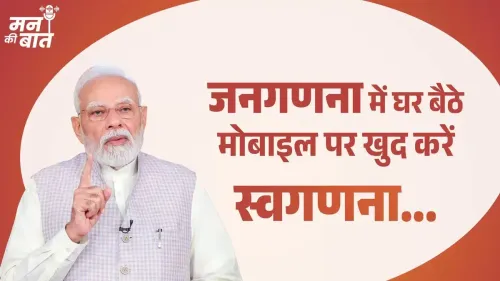
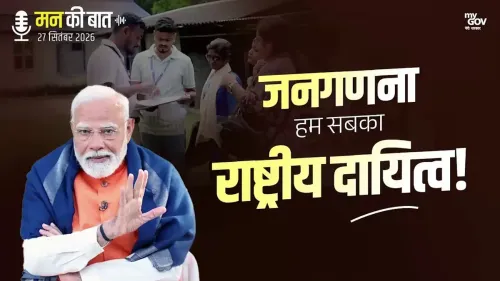
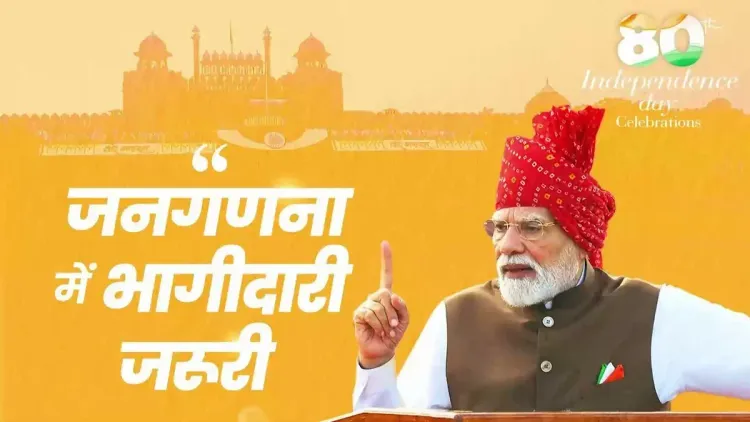
On Independence Day, 15 August 2026, Prime Minister Narendra Modi made a direct, personal appeal to every Indian — and especially to the country's youth — to engage with what he called the nation's first digital census, a moment he framed as a civic duty for a digitally empowered generation.
In a Hindi-language post on X, the Prime Minister wrote: 'देश की पहली डिजिटल जनगणना को लेकर सभी देशवासियों, विशेषकर युवा साथियों से मेरा यह विनम्र आग्रह…' — translated: 'My humble appeal to all fellow citizens, especially my young friends, regarding the country's first digital census…' The choice of Independence Day as the platform for this appeal was deliberate: a national holiday that maximises reach and frames census participation as an act of patriotism.
A census delayed, now going digital
The stakes behind this appeal are significant. India's last completed census was in 2011 — making it the longest gap in the country's post-independence enumeration history. The 2021 census was postponed, initially due to the COVID-19 pandemic, leaving planners, welfare administrators, and policymakers working from data that is now over a decade old. A digital census, if executed at scale, would mark a structural shift: replacing paper-based enumeration with mobile and online self-enumeration tools, cutting processing time and improving data granularity.
The move sits squarely within the logic of Digital India, the flagship programme launched in 2015 to transform the country into a digitally empowered society. From direct-benefit transfers to Aadhaar-linked services, the government has progressively digitised administrative infrastructure — and the census, the bedrock of all welfare planning, is the logical next frontier.
Why the youth appeal is strategic
The Prime Minister's specific call-out to 'yuva saathiyon' — young friends — is not incidental. India's under-35 population is both the most digitally fluent demographic and the one most likely to self-enumerate accurately via smartphone. A digital census that captures this cohort well could yield sharper data on urbanisation, employment, and education than any previous exercise. It also positions the youth as active architects of national data — not just subjects of it.
The Census of India, administered by the Ministry of Home Affairs, uses decennial data to allocate parliamentary seats, distribute central funds, and design social welfare schemes. Outdated numbers mean misallocated resources — a problem that compounds with every passing year. Getting the 2026 count right, and getting it digitally, is not a technocratic footnote. It is the foundation of the next decade of governance.
Point of View
A successful digital census would hand the government a powerful governance dividend: fresh, granular population data to underpin welfare targeting and delimitation ahead of the next electoral cycle. The youth-specific framing also extends the Digital India brand narrative, presenting the BJP-led government as the architect of a modern, tech-forward state. Whether the digital infrastructure and citizen awareness campaigns can deliver enumeration quality comparable to — or better than — paper-based methods will be the real test of the initiative's ambition.
NationPress
29 Sept 2026
Frequently Asked Questions
What is India's first digital census?
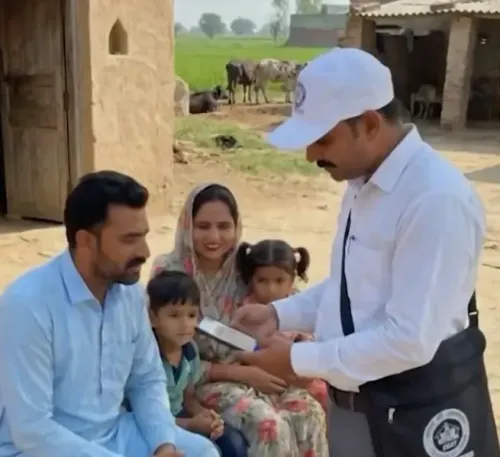
India's first digital census refers to the planned national population enumeration that will allow citizens to self-register and submit household data through digital tools such as mobile apps or online portals, replacing the traditional paper-based process conducted by door-to-door enumerators.
When was India's last census conducted?
India's last completed census was conducted in 2011 . The 2021 census was postponed due to the COVID-19 pandemic and has not yet been completed as of 2026.
Why did PM Modi appeal to youth for the digital census?
PM Modi specifically addressed India's youth because they are the most digitally literate demographic, making them best placed to self-enumerate accurately using smartphones or online platforms, and to encourage participation within their families and communities.
Which ministry conducts the Census of India?
The Census of India is conducted by the Ministry of Home Affairs through the Office of the Registrar General and Census Commissioner of India.
How does the census affect government welfare schemes?
Census data is the primary basis for allocating parliamentary constituencies, distributing central government funds to states, and designing social welfare programmes. Outdated data leads to misallocation of resources, which is why an updated census is considered urgent.