PM Modi at 25 years: Bhuj, Morbi, Covid shaped my journey as leader
Synopsis
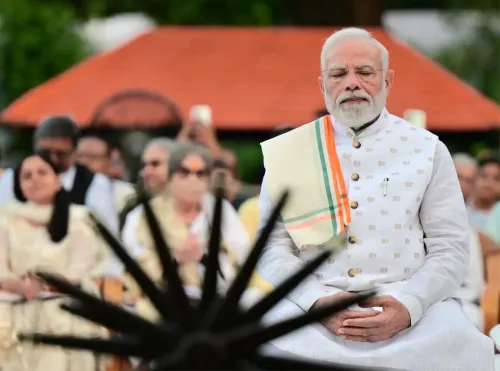
Marking 25 years as head of government, PM Modi did not deliver a victory lap — he offered a reckoning. Citing Bhuj, Morbi, Chandrayaan, and Covid as his real classrooms, Modi reframed every crisis of his tenure as a lesson in governance, humility, and national consciousness. The speech signals an introspective pivot as India’s longest-serving elected leader steps into his next chapter.
Key Takeaways
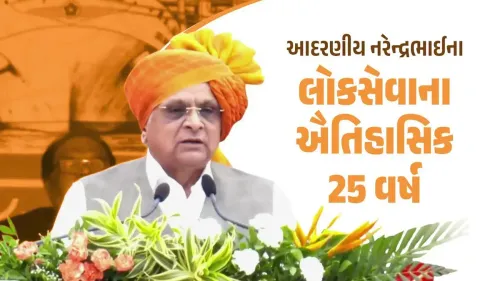
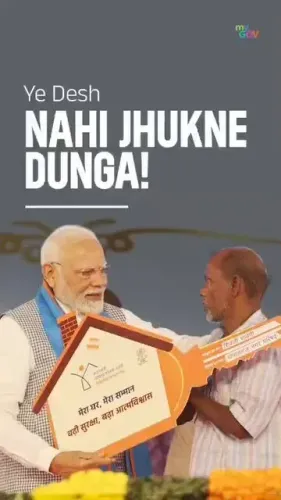
PM Narendra Modi marked 25 years as head of government on 7 October 2026 at the Viksit Bharat Sankalp Sabha in New Delhi .
He cited the 2001 Bhuj earthquake , the Morbi floods , Chandrayaan , and the Covid-19 pandemic as the most formative experiences of his political journey.
Modi said the Bhuj earthquake taught him steadfastness in reconstruction; Morbi instilled a spirit of service; Chandrayaan taught resilience after failure; and Covid underscored collective national consciousness.
He credited both supporters and critics, saying opponents “made me understand the power of democracy.” Modi described 25 years of public trust as an asset belonging not to him alone, but to “every child of Mother India.”
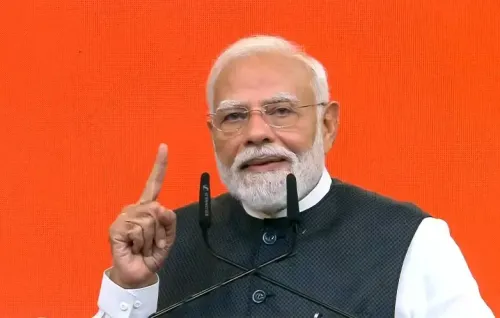
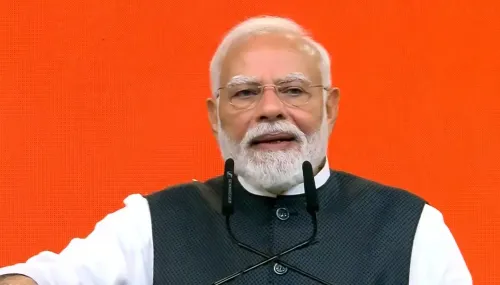
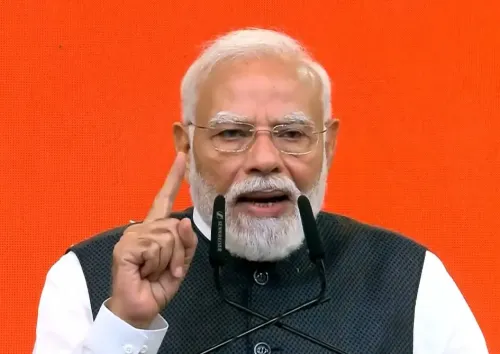
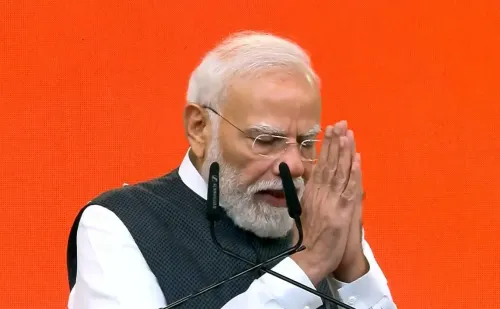
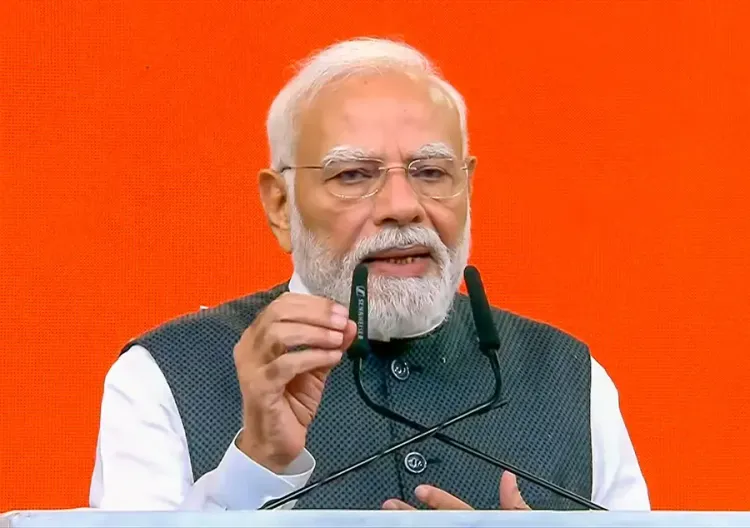
Prime Minister Narendra Modi, marking 25 years as head of government on 7 October 2026, reflected on the defining crises and milestones of his political career — citing the 2001 Bhuj earthquake, the Morbi floods, the Chandrayaan mission, and the Covid-19 pandemic as experiences that shaped him. Speaking at the Viksit Bharat Sankalp Sabha in New Delhi, Modi said no event in his life had been in vain, and that every challenge had deepened his sense of responsibility toward the nation.
A Student at Heart
Opening his address with a personal anecdote, Modi recalled his school days in Vadnagar, where he was always among the first students to arrive in class. “That eagerness to learn became a part of my life, and even today, I consider myself a student. I try to learn something new every day,” he said, to chants of Modi-Modi from the audience.
He added that he had offered a prayer for himself at a temple earlier in the day: “I asked God that my ability to learn should never diminish. The more I learn, the greater my ability to do something for the country will become.”
Crisis as Classroom: Bhuj, Morbi, Chandrayaan, Covid
Modi drew direct lessons from four landmark events. The Bhuj earthquake of 2001 taught him “to remain steadfast in reconstruction.” The Morbi floods showed him “the path of engaging in relief and service work day and night” and instilled in him a spirit of service. The setback of Chandrayaan, he said, taught him “to rise after failure.” And the Covid-19 pandemic, the most sweeping public-health crisis of his tenure, “make me understand the importance of the nation’s collective consciousness.”
This is notable because all four episodes were inflection points that drew both national solidarity and, in some cases, significant criticism of the government’s handling. Modi’s framing recast each as a source of personal and administrative learning rather than a political flashpoint.
Gratitude to Supporters and Critics Alike
In a passage that stood out for its rhetorical balance, Modi expressed gratitude to adversaries alongside well-wishers. “Those who made me win taught me to remain humble. Those who brought me down taught me to stand up again. Critics taught me to look within myself. Those who opposed me made me understand the power of democracy,” he said.
He also credited the media, stating it gave him “the inspiration to move forward through both bitter and sweet experiences.”
25 Years of Public Trust
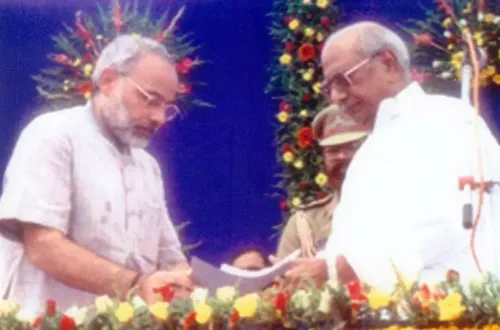
Modi expressed gratitude to the people of India for “choosing him as their leader for 25 consecutive years,” spanning his time as Chief Minister of Gujarat and subsequently as Prime Minister. “These 25 years of public trust and the experience of these 25 years are a very valuable asset. And this asset does not belong only to Modi; it belongs to the country. Every child of Mother India is entitled to this asset,” he said.
He described every village and every poor person he had encountered as teachers who reinforced the lesson that “resources may be limited, but dreams should be big and determination should be strong.”
What This Signals
The address arrives at a politically significant moment: 25 years is a rare milestone for any democratic leader in India, and the Viksit Bharat Sankalp Sabha provides a platform that links personal narrative to the broader developed-India policy agenda. Analysts are likely to watch whether this introspective framing is followed by policy announcements tying past lessons to concrete governance changes going forward.
Point of View
He absorbs episodes that critics have used against him into a narrative of growth. What mainstream coverage may miss is the structural shift in tone: an introspective Modi is also a Modi preparing for the long arc of legacy-building. The harder question — whether the lessons of Morbi on disaster early-warning or of Covid on public-health infrastructure have actually been institutionalised — is one his speech pointedly left unanswered.
NationPress
7 Oct 2026
Frequently Asked Questions
What did PM Modi say at the Viksit Bharat Sankalp Sabha on 7 October 2026?
PM Modi used the event, marking his 25th year as head of government, to reflect on the crises and events that shaped him as a leader. He cited the 2001 Bhuj earthquake, the Morbi floods, the Chandrayaan mission, and the Covid-19 pandemic as experiences that taught him resilience, humility, and the importance of collective national consciousness.
What lesson did Modi say the Bhuj earthquake taught him?
Modi said the 2001 Bhuj earthquake taught him to remain steadfast in reconstruction. He described each major crisis of his tenure as a distinct classroom, with the Morbi floods teaching the spirit of round-the-clock relief and service.
What did Modi mean by calling 25 years of public trust a national asset?
Modi said the experience and public trust accumulated over 25 years in government do not belong to him alone, but to every citizen of India. He framed it as a collective inheritance — part of his broader Viksit Bharat narrative that links personal leadership to national aspirations.
Why did Modi mention critics and opponents in a positive light?
In a rhetorically notable passage, Modi said critics taught him to look within himself and opponents helped him understand the power of democracy. This framing of adversity as instruction was central to the speech’s theme of continuous learning.
What is the Viksit Bharat Sankalp Sabha?
The Viksit Bharat Sankalp Sabha is a government-organised platform tied to the Viksit Bharat (Developed India) policy agenda, which aims to position India as a fully developed nation by 2047. Modi used the event on 7 October 2026 to mark 25 years in government and deliver a reflective address on his political journey.