PM Modi marks Rashtriya Ekta Diwas at Kevadia
Synopsis
Prime Minister Narendra Modi attended Rashtriya Ekta Diwas observances at Kevadia on 31 October 2026, honouring Sardar Patel's legacy of national integration and linking the occasion to the government's Viksit Bharat vision for a developed India by 2047.
Key Takeaways
Prime Minister Narendra Modi participated in Rashtriya Ekta Diwas celebrations at Kevadia, Gujarat on 31 October 2026 .
Rashtriya Ekta Diwas was instituted in 2014 and is observed annually on 31 October , the birth anniversary of Sardar Vallabhbhai Patel .
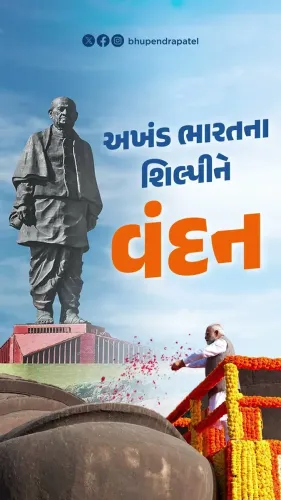
Kevadia hosts the Statue of Unity , a 182-metre monument to Patel inaugurated in October 2018 .
Modi's message explicitly linked the spirit of national unity to the Viksit Bharat goal of making India a developed nation by 2047 .
Patel oversaw the integration of over 500 princely states into the Indian Union after independence in 1947 .
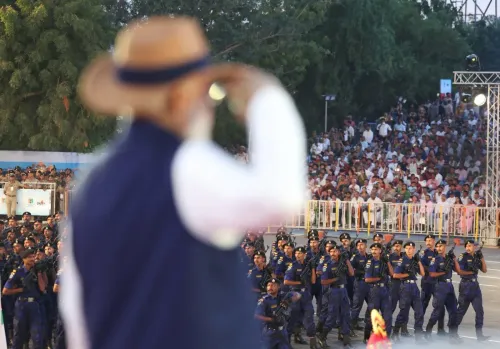
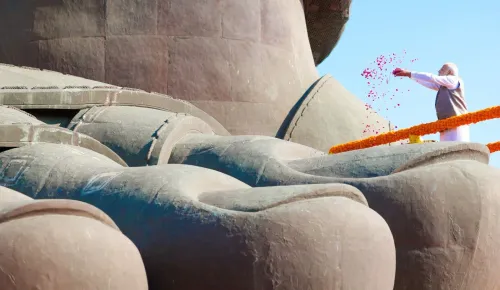
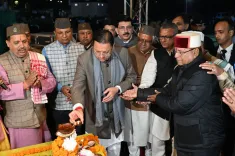
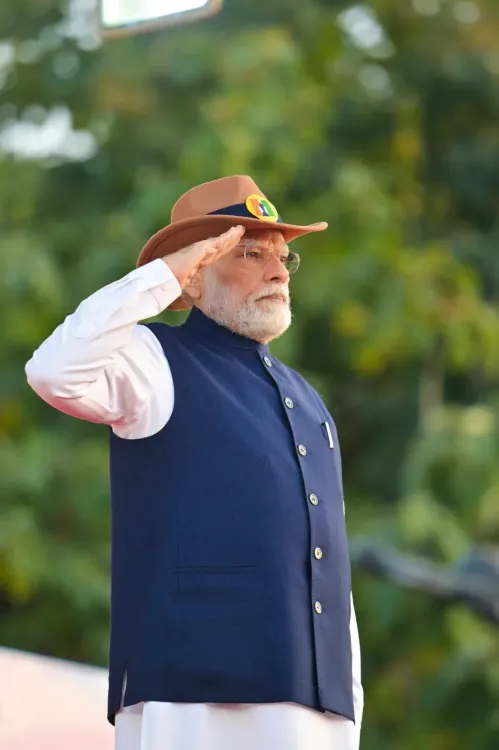
On the birth anniversary of the man who stitched a fractured subcontinent into one nation, Prime Minister Narendra Modi stood at Kevadia, Gujarat — in the shadow of the world's tallest statue — to mark Rashtriya Ekta Diwas on 31 October 2026. The setting was deliberate, the symbolism unmistakable.
Patel's legacy, framed in stone and policy
Sardar Vallabhbhai Patel, India's first Deputy Prime Minister and Home Minister, achieved in months what many thought impossible: the integration of over 500 princely states into the Indian Union after 1947. It is this act of nation-forging that Rashtriya Ekta Diwas — instituted in 2014 — commemorates every year on his birth anniversary.
Kevadia became the natural anchor for these observances after the Statue of Unity, a 182-metre tribute to Patel, was inaugurated there by Prime Minister Modi in October 2018. That monument transformed a quiet Gujarat town into a pilgrimage site for the idea of national integration.
Unity as a foundation for 2047
Modi's post carried a pointed forward-looking line: that the 'spirit of unity' should 'further cement our resolve to build a Viksit Bharat' — or Developed India. The phrase is not incidental. Viksit Bharat is the government's stated vision for India to achieve developed-nation status by 2047, the centenary of independence.
By threading Patel's unifying legacy directly into that developmental roadmap, the observance frames national cohesion not as a ceremonial sentiment but as a prerequisite for economic ambition. Unity, the message runs, is infrastructure.
A pattern of purposeful commemoration
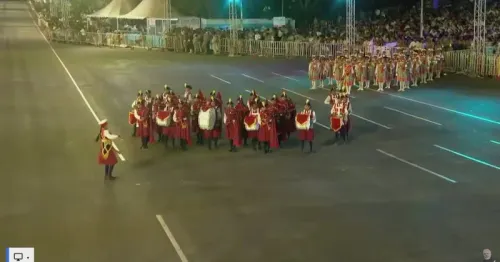
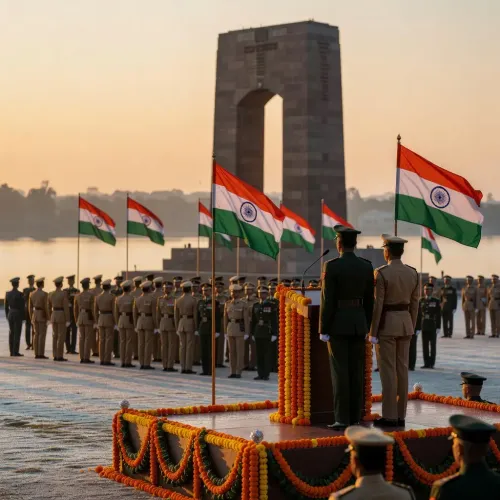
Annual Rashtriya Ekta Diwas gatherings at Kevadia have consistently served as a platform to reinforce themes of integration and shared purpose. The events draw participation from government officials, security forces, and citizens — and routinely include a run-for-unity pledge. This year's edition continues that pattern, placing Modi once again at the symbolic epicentre of the Patel legacy.
Patel was not merely a unifier of territory; he built the administrative backbone of the modern Indian state. Invoking him on the eve of a generational development push is a reminder that the ambitions of 2047 rest on foundations laid in 1947.
Seventy-nine years after Patel began his quiet revolution of integration, India is being asked to remember why it held together — and to ask what it can build now that it has.
Point of View
Broadening its historical claim. By pairing Patel's nation-building achievement with the Viksit Bharat roadmap, the government presents unity not as a past accomplishment but as an ongoing condition for future growth. The consistency of this messaging — now in its twelfth year — signals a long-term effort to make Patel's integration legacy synonymous with the current administration's ambitions. Whether that framing resonates beyond the ceremonial moment will depend on how substantive Viksit Bharat milestones appear in upcoming policy documents.
NationPress
31 Oct 2026
Frequently Asked Questions
What is Rashtriya Ekta Diwas and why is it celebrated on 31 October?
Rashtriya Ekta Diwas , or National Unity Day, is observed every year on 31 October to mark the birth anniversary of Sardar Vallabhbhai Patel , who integrated over 500 princely states into India after independence. It was instituted by the central government in 2014 .
Why does PM Modi celebrate Rashtriya Ekta Diwas in Kevadia?
Kevadia is the site of the Statue of Unity , an 182-metre monument to Sardar Patel inaugurated by PM Modi in October 2018 , making it the symbolic centre of Patel-related national observances.
What is Viksit Bharat?
Viksit Bharat is the Indian government's vision for India to become a fully developed nation by 2047 , the centenary of independence. PM Modi has repeatedly used it as a long-term policy goal linking infrastructure, economy, and national cohesion.
What did Sardar Patel achieve for India?
As India's first Deputy Prime Minister and Home Minister, Sardar Vallabhbhai Patel oversaw the integration of more than 500 princely states into the Indian Union in the years immediately following independence in 1947 , effectively giving the modern state its territorial form.
What happens at Rashtriya Ekta Diwas every year?
Annual Rashtriya Ekta Diwas events at Kevadia typically include government ceremonies, a run-for-unity pledge, and participation by security forces and citizens, all centred on themes of national integration and Patel's legacy.