PM Modi Voices Support for Qatar Amid Energy Infrastructure Attacks
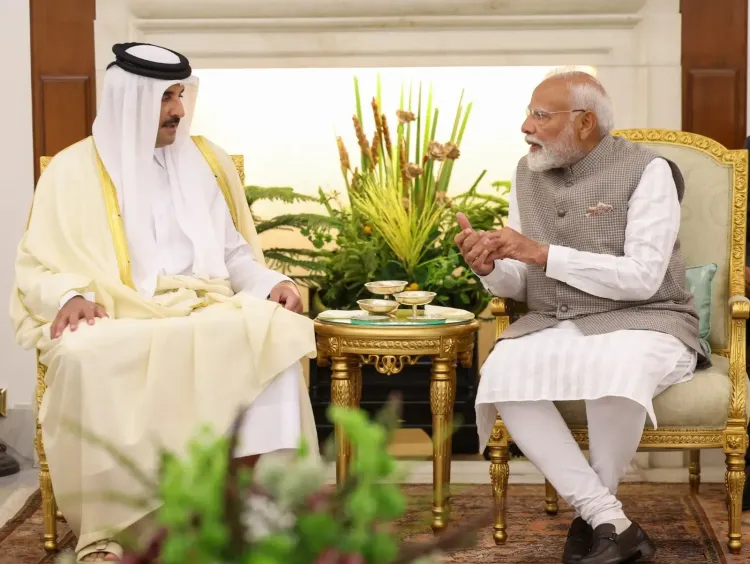
Synopsis
In a notable diplomatic gesture, PM Modi speaks with Qatar's Amir to express solidarity against recent attacks on energy infrastructure in the Gulf. This dialogue underscores India's commitment to global energy security and reflects the growing regional consensus against Iranian aggression.
Key Takeaways
PM Modi expressed strong diplomatic support for Qatar.
India condemned attacks on energy infrastructure in the Gulf.
The conversation highlighted the importance of energy security.
Regional consensus is growing against Iranian aggression.
Welfare of the Indian community in Qatar was discussed.
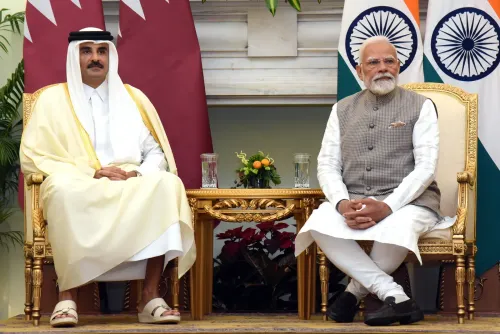
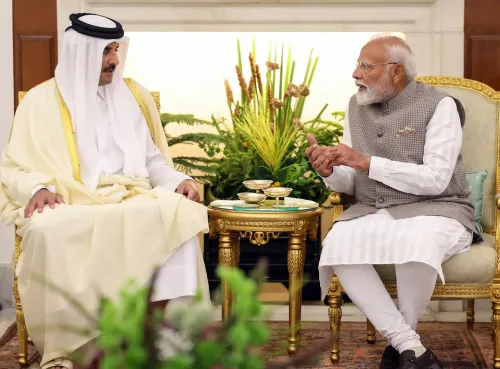
New Delhi, March 19 (NationPress) In a significant act of diplomatic support, Prime Minister Narendra Modi engaged in a telephone discussion with the Amir of Qatar, Sheikh Tamim bin Hamad Al Thani, on Thursday, extending heartfelt Eid greetings and firmly reiterating India's disapproval of the recent assaults on energy facilities in the Gulf region.
This phone call occurs amid rising tensions that pose a risk to global energy supplies and maritime security.
In a post on X, PM Modi reaffirmed that India expresses its solidarity with Qatar and categorically condemned the strikes on the region's energy infrastructure.
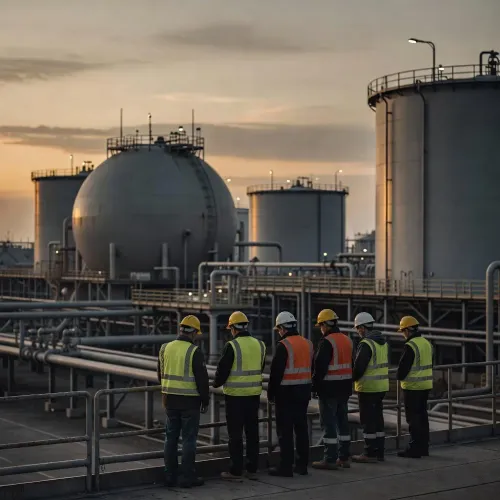
This unequivocal support is a response to recent Iranian aggression against Qatar's Ras Laffan Industrial City, which serves as the nation's leading liquefied natural gas (LNG) hub, contributing nearly 40 percent of India's LNG imports.
PM Modi specifically denounced the attacks on this facility, emphasizing India's unity with Doha in responding to such aggression.
The dialogue between the two leaders also addressed the welfare of the approximately 800,000 Indian nationals living in Qatar.
PM Modi expressed appreciation to the Qatari leadership for their support towards the Indian community, a sentiment warmly reciprocated by the Amir, who commended the strong bilateral ties between the two nations.
This diplomatic engagement unfolds amidst a backdrop of extreme instability in West Asia, particularly in relation to the Strait of Hormuz. This critical waterway has transformed into a high-risk zone, serving as a narrow passage between Iran and Oman.
Recent escalations have seen Iran act on long-standing threats to hinder maritime navigation, with traffic through the strait dropping by as much as 97 percent.
This is particularly concerning as the Strait usually facilitates the transit of approximately 20 million barrels of crude oil and petroleum products daily—about one-fifth of global consumption—alongside the majority of Qatar's LNG exports.
The Islamic Revolutionary Guard Corps (IRGC) of Iran has exploited its geographic advantage, deploying fast attack boats, anti-ship missiles, and naval mines, rendering the shipping lanes, merely 3 km wide in either direction, exceedingly perilous.
In recent days, at least 16 commercial vessels, including oil tankers, have been attacked, resulting in casualties and prompting many operators to abandon this vital route.
PM Modi underscored India's position on this matter, stating, “We advocate for safe and free navigation through the Strait of Hormuz.”
His conversation with the Qatari Amir aligns with a growing consensus in the region against the recent wave of Iranian assaults.
On Thursday, foreign ministers from a dozen Arab and Islamic nations gathered in Riyadh for a consultative meeting hosted by Saudi Arabia. This assembly included senior diplomats from Qatar, the United Arab Emirates, Kuwait, Bahrain, Egypt, Jordan, Turkey, and Pakistan.
In a strongly worded joint statement released after the meeting, the ministers condemned what they termed deliberate Iranian attacks utilizing ballistic missiles and drones targeting residential areas and civilian infrastructure.
This encompasses strikes on oil facilities, desalination plants, and airports.
The ministers emphasized that such assaults cannot be justified under any circumstances and affirmed the right of states to self-defense as stipulated in Article 51 of the UN Charter.
They further urged Iran to cease its attacks and avoid actions that jeopardize international navigation in the Strait of Hormuz, insisting that Tehran comply with UN Security Council Resolution 2817.
The statement from the Arab and Islamic foreign ministers also clarified that the future of relations with Iran is contingent upon Tehran's respect for national sovereignty and the principles of good neighborliness.
This unified reaction from the region, coupled with India's vocal condemnation, highlights the international isolation of these attacks and the collective call for de-escalation to ensure global energy security and stability.
Frequently Asked Questions
What prompted PM Modi's call to the Amir of Qatar?
PM Modi's call was prompted by recent attacks on energy infrastructure in the Gulf, to express India's condemnation and solidarity with Qatar.
What is the significance of Ras Laffan Industrial City?
Ras Laffan is Qatar's primary liquefied natural gas hub, accounting for nearly 40 percent of India's LNG imports.
How has Iran's actions affected global energy supplies?
Iran's recent escalations have led to a drastic decrease in traffic through the Strait of Hormuz, which is crucial for global energy transit, resulting in a 97 percent drop.
What was discussed regarding the Indian community in Qatar?
PM Modi discussed the welfare of the approximately 800,000 Indian nationals in Qatar and expressed gratitude for the support they receive from the Qatari leadership.
What was the outcome of the recent meeting of Arab and Islamic foreign ministers?
The meeting resulted in a strong joint statement condemning Iranian attacks and affirming the right of nations to self-defense.