PM Modi Condoles Mindanao Earthquake, Pledges India's Solidarity

Synopsis
Prime Minister Narendra Modi on June 8, 2026, expressed condolences over the Mindanao earthquake in the Philippines, offering prayers for the injured and affirming India's solidarity with the Filipino people and government — consistent with India's Act East Policy diplomatic outreach.
Key Takeaways
Prime Minister Narendra Modi posted condolences on June 8, 2026 following an earthquake in Mindanao, Philippines .
Modi expressed 'heartfelt condolences to the bereaved families' and prayers for the speedy recovery of the injured.
India affirmed solidarity with 'the people and the Government of the Philippines.' The statement aligns with India's Act East Policy , which prioritises engagement with ASEAN nations.
India previously sent relief supplies and medical personnel to the Philippines after Typhoon Haiyan in 2013 .
Potential follow-up actions include formal aid offers or NDRF deployment.
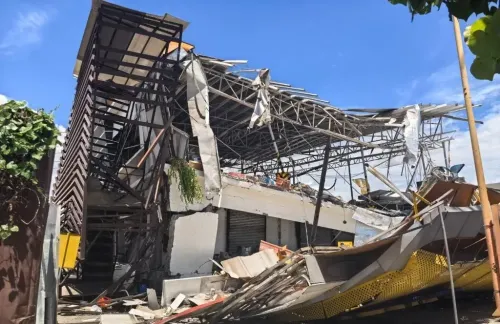
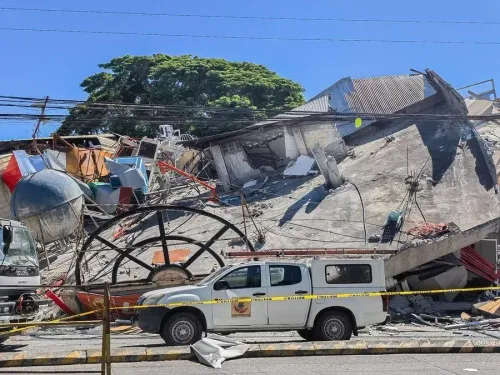
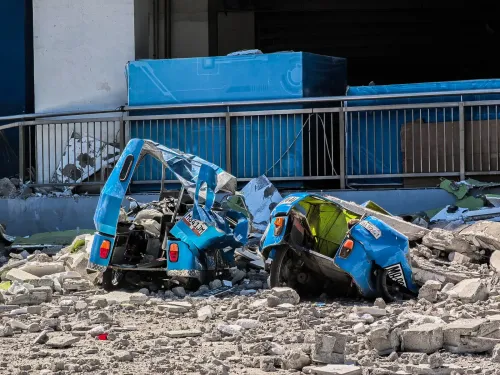
Prime Minister Narendra Modi on Monday, June 8, 2026, expressed grief over the earthquake that struck Mindanao in the southern Philippines, offering condolences to bereaved families and prayers for the recovery of the injured. The statement, posted on his official X account, reaffirmed India's solidarity with the Filipino people and government in the aftermath of the disaster.
Context
Mindanao, the second-largest island group in the Philippines, sits on the Pacific Ring of Fire and is among the most seismically active zones in Southeast Asia. The region has historically experienced destructive earthquakes, making it particularly vulnerable to loss of life and infrastructure damage. The earthquake struck on June 8, 2026, prompting swift international responses including from New Delhi.
In his post, Prime Minister Modi wrote: 'Saddened by the loss of lives and destruction caused by today's earthquake in Mindanao, Philippines. My heartfelt condolences to the bereaved families and prayers for the speedy recovery of those injured. India stands in solidarity with the people and the Government of the Philippines.'
Policy Backdrop
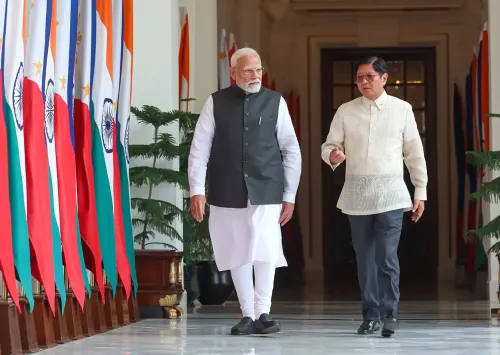
India's expression of solidarity is consistent with its broader Act East Policy, which frames ASEAN nations — including the Philippines — as key partners in India's extended neighbourhood diplomacy. Public statements of condolence following natural disasters in the Indo-Pacific region have become a recognisable feature of this diplomatic posture under Prime Minister Modi. The two countries maintain ties spanning maritime security, trade, and disaster-response cooperation.
A precedent for tangible Indian assistance exists: following Typhoon Haiyan in 2013, India dispatched relief supplies and medical personnel to the Philippines. That episode demonstrated New Delhi's willingness to translate diplomatic solidarity into operational support when the scale of a disaster demands it.
Stakeholders and Impact
The immediate stakeholders are earthquake victims across Mindanao and the Philippine government, which is coordinating relief and rescue operations. For the Indian side, the statement signals that bilateral goodwill remains strong and that New Delhi is attentive to developments in Southeast Asia. The Filipino diaspora in India, though modest in size, and the broader Indian community in the Philippines are also touched by the humanitarian dimension of the event.
International expressions of solidarity — particularly from major democracies and regional powers — carry political weight in the immediate aftermath of a disaster, often preceding formal offers of assistance. India's message positions it as a responsive and engaged partner within the Indo-Pacific framework.
What's Next
Observers will watch whether India follows its statement with a formal offer of technical assistance, humanitarian aid, or deployment of the National Disaster Response Force (NDRF), which has participated in international relief operations in the past. The next ASEAN-India Summit could also provide a platform for both nations to discuss disaster risk reduction cooperation in a structured setting. The trajectory of India-Philippines relations, already anchored in shared maritime interests, may deepen further if New Delhi extends concrete support in the coming days.
Point of View
The statement signals attentiveness to Southeast Asian partners beyond trade and security. The real test of intent will be whether New Delhi moves from words to material support — a step it has taken before with the Philippines. If India does offer aid, it would reinforce its positioning as a credible first-responder and humanitarian partner in the region.
NationPress
24 Oct 2026
Frequently Asked Questions
What did PM Modi say about the Mindanao earthquake?
Prime Minister Modi said he was 'saddened by the loss of lives and destruction' caused by the earthquake and offered heartfelt condolences to bereaved families, adding that India stands in solidarity with the people and government of the Philippines.
When did the Mindanao earthquake occur?
The earthquake struck Mindanao in the southern Philippines on Monday, June 8, 2026, prompting Modi's statement the same day.
Why is Mindanao prone to earthquakes?
Mindanao lies on the Pacific Ring of Fire, a zone of intense seismic and volcanic activity, making it one of the most earthquake-prone regions in Southeast Asia.
Has India helped the Philippines after natural disasters before?
Yes. After Typhoon Haiyan devastated the Philippines in 2013, India dispatched relief supplies and medical personnel, demonstrating its capacity for concrete humanitarian assistance beyond diplomatic statements.
What is India's Act East Policy and how does it relate to the Philippines?
India's Act East Policy prioritises strategic, economic, and cultural engagement with ASEAN nations, including the Philippines. Expressions of solidarity during crises are part of this broader diplomatic framework aimed at deepening India's Indo-Pacific partnerships.