PM Modi at NDTV World Summit: Global order has failed to keep pace with change
Synopsis
At the NDTV World Summit, PM Modi delivered one of his bluntest critiques yet of the post-war international order — declaring it has simply not kept up with a changed world. The remarks crystallise India's push to reshape multilateral institutions, positioning New Delhi as a leading voice of the Global South in a fast-fracturing geopolitical landscape.
Key Takeaways
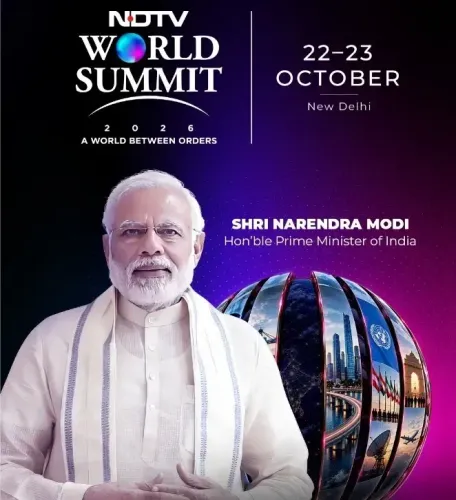
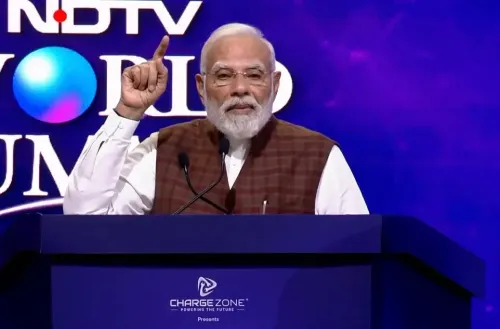
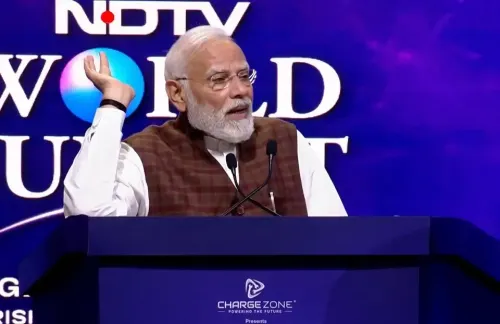
PM Narendra Modi addressed the NDTV World Summit in New Delhi on 22 October 2026 .
He described the present as a 'world between orders' — a phase of transition where old frameworks no longer reflect global realities.
Modi stated the global order has not kept pace with changes in technology, power, and national aspirations.
He acknowledged the United Nations' historic role but said its limitations in addressing contemporary challenges are now clearly evident.
The remarks reinforce India's sustained push for reform of multilateral institutions to make them more representative and inclusive.
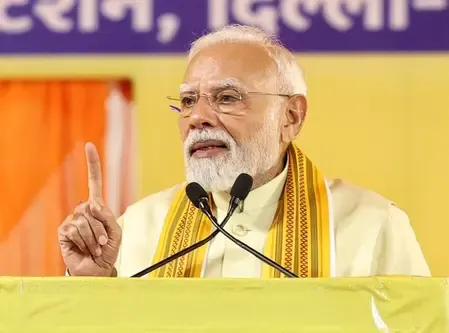
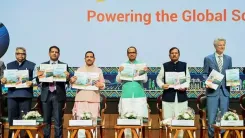
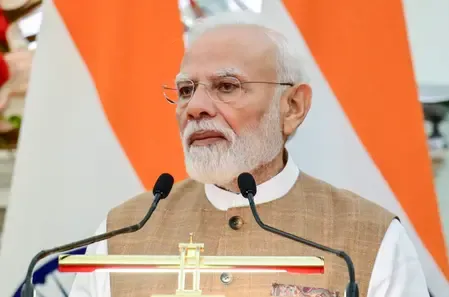
Prime Minister Narendra Modi on 22 October 2026 declared that the existing global order and its institutions have failed to evolve at the same pace as a rapidly changing world, warning of a growing disconnect between current geopolitical realities and outdated decision-making structures. He was addressing the NDTV World Summit in New Delhi.
A World Between Orders
Modi described the present moment as a phase of transition — a 'world between orders' — where old frameworks no longer adequately reflect the balance of power or the aspirations of emerging nations. He identified two central questions dominating global discourse: why the existing order is fracturing, and what role India should play in shaping whatever comes next.
Lessons From the Post-War Era
Tracing the origins of the current international system, the Prime Minister recalled how the horrors of the Second World War demonstrated that a global order built purely on power and self-interest is inherently unsustainable. The principles of dialogue, cooperation, and peaceful dispute resolution — which animated the founding of the United Nations — were, he argued, a direct response to that failure.
However, Modi stressed that the world has since undergone profound transformation. Aspirations have shifted, new economic powers have emerged, and technology has fundamentally altered society, the economy, and the very nature of power itself. Nations that had no seat at the table when the original post-war order was designed are now asserting their rightful place on the world stage.
The Institutions Are Falling Behind
'The question is, has the global order kept pace with these changes? The answer is no,' Modi said, in one of his sharpest assessments of multilateral institutions to date.
While acknowledging the historic role of the United Nations and allied bodies, he argued their limitations in addressing contemporary challenges have become unmistakably evident. New powers are rising, new voices are demanding inclusion, and new problems require fresh solutions. When the reality of the world changes but the mechanisms for decision-making remain stagnant, he said, a growing and dangerous disconnect emerges.
India's Push for Institutional Reform
The remarks reinforced India's long-standing campaign for meaningful reform of global institutions — making them more representative, inclusive, and responsive to 21st-century realities. New Delhi has consistently pushed for an expanded and restructured UN Security Council, greater voice for the Global South in bodies like the International Monetary Fund and World Bank, and reform of the World Trade Organization. This comes amid India's growing assertiveness on the global stage, having hosted the G20 presidency and championed the cause of developing nations at multilateral forums.
As the world navigates an increasingly multipolar order, Modi's address signals that India intends to be not merely a participant in the debate over institutional reform, but one of its leading architects.
Point of View
With limited results. What is new here is the directness: a sitting Prime Minister of the world's most populous nation flatly declaring the existing order has failed to keep pace. That is a statement designed to resonate in Nairobi, Jakarta, and Brasília as much as in New York or Geneva. The risk, however, is that critique without a concrete reform blueprint can harden into posture. India's credibility on this agenda will ultimately rest on whether it can build durable coalitions — not just deliver powerful speeches.
NationPress
22 Oct 2026
Frequently Asked Questions
What did PM Modi say at the NDTV World Summit about the global order?
PM Modi said the existing global order and its institutions have failed to evolve at the same pace as a rapidly changing world, creating a disconnect between current realities and outdated decision-making systems. He described the present moment as a 'world between orders' requiring new frameworks and fresh solutions.
What did Modi mean by a 'world between orders'?
Modi used the phrase to describe a transitional phase in which the post-Second World War international system — built around the United Nations and allied institutions — no longer adequately reflects the current balance of power, emerging economies, or 21st-century challenges. He argued that new powers and new voices are demanding a seat at the table.
Why does Modi say the old global order is failing?
According to Modi, the original post-war order was designed without the participation of many nations that are now major powers. Since then, technology has transformed society and the economy, aspirations have shifted, and new economic forces have emerged — yet the institutional machinery for global decision-making has remained largely unchanged.
What reforms is India pushing for in global institutions?
India has consistently advocated for an expanded and reformed UN Security Council, greater representation of developing nations in the IMF and World Bank, and WTO reform. Modi's remarks at the NDTV World Summit reaffirm New Delhi's position that global institutions must become more representative, inclusive, and responsive to the needs of the modern world.
Why is this speech significant now?
The address comes as India continues to assert itself as a leading voice of the Global South following its G20 presidency. Modi's direct declaration that the global order has 'not kept pace' with change is one of his sharpest public critiques of multilateral institutions, signalling that India intends to be a central architect — not just a participant — in any future reform of the international order.