PM Modi Calls for Equal Partnerships for Global South
Synopsis
Prime Minister Narendra Modi on June 16, 2026, called for dismantling the donor-recipient mindset in global affairs, urging world leaders to treat the Global South as equal partners. The remarks build on India's sustained push — through the G20 presidency and Voice of Global South Summits — to reshape multilateral engagement.
Key Takeaways
PM Modi on June 16, 2026 called for moving beyond the donor-recipient mindset in international partnerships.
He stressed that the Global South seeks partnership, not just support, and that nations must walk 'together' rather than 'merely alongside one another.' India hosted the inaugural Voice of Global South Summit in January 2023 to consolidate developing-nation priorities ahead of multilateral meetings.
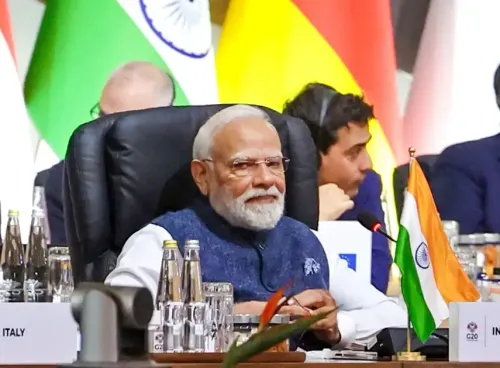
Under India's 2023 G20 presidency , the African Union was admitted as a permanent member, institutionalising 55 African nations in global economic governance.
India's engagement model — through the India-Africa Forum Summit series since 2008 — has prioritised lines of credit and capacity building over traditional aid.
The post appears truncated, suggesting Modi's full address contained additional conditions for what genuine partnerships must entail.
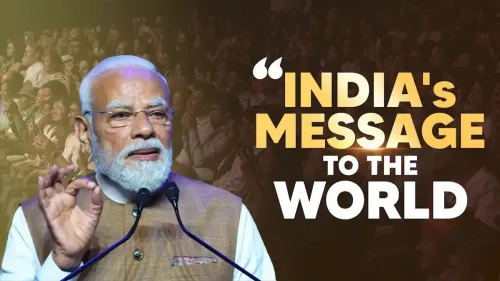
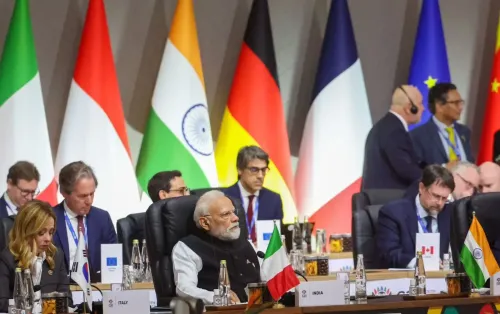
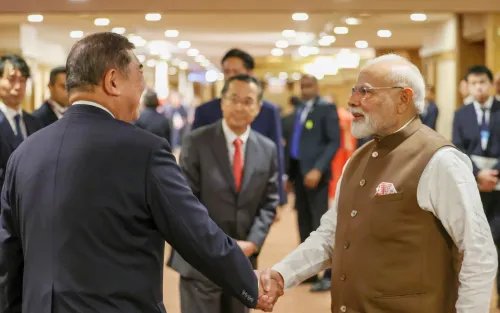
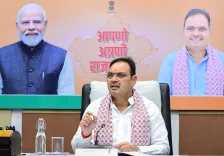
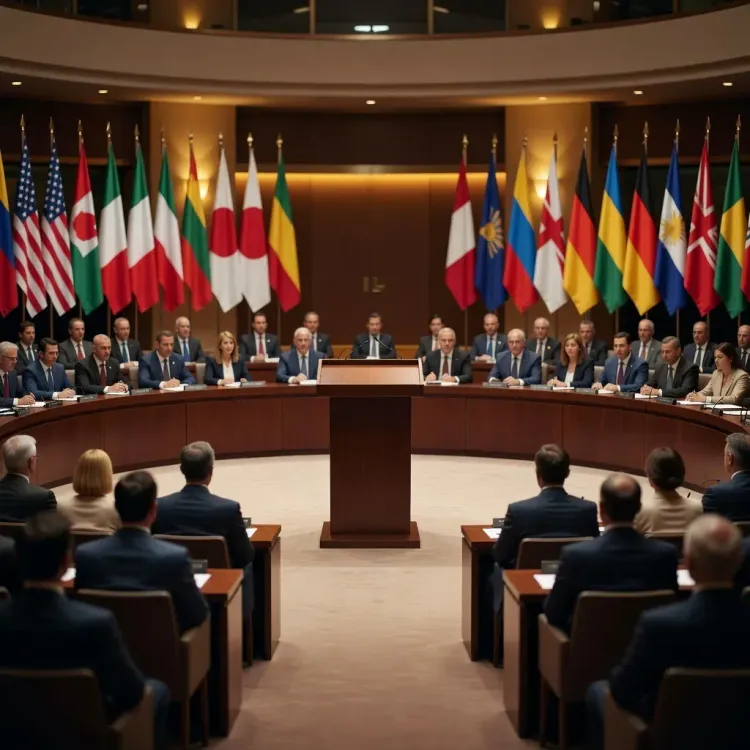
Prime Minister Narendra Modi on Tuesday, June 16, 2026, called for a fundamental shift in how the world engages with developing nations, stressing that the Global South seeks genuine partnership rather than donor-driven support. Speaking at an international forum, Modi urged world leaders to abandon the donor-recipient framework and commit to walking together as equal partners.
Context
Modi's remarks centred on a pointed message: the Global South carries 'immense expectations from the world' and those expectations demand equality, not charity. He drew a distinction between walking 'together' and walking 'merely alongside one another' — framing genuine partnership as one of shared agency and mutual accountability, not parallel but separate paths.
The post, shared on X, appears to be an excerpt from a longer address, with the final sentence left incomplete — a detail that suggests the original speech contained additional conditions or principles for what meaningful partnerships must entail.
Policy Backdrop
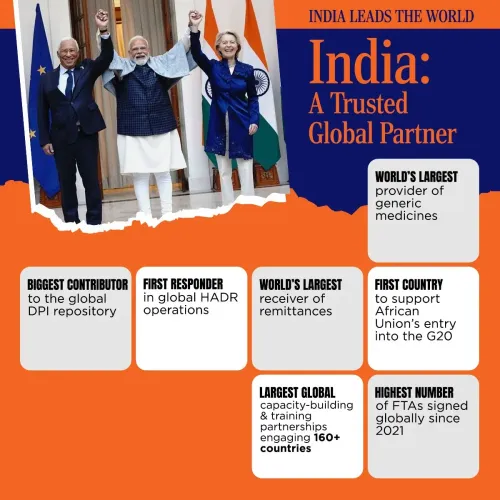
India has been systematically building its credentials as a champion of Global South interests since 2014, graduating from its historical role as an aid recipient to that of a development partner. The country hosted the inaugural Voice of Global South Summit in January 2023, convening developing nations to consolidate shared positions on climate finance, debt relief, and multilateral reform ahead of major international meetings.
During its G20 presidency in 2023, India secured a landmark outcome — the admission of the African Union as a permanent member of the forum — institutionalising the voice of 55 African nations in a body that shapes global economic governance. The move was widely seen as India's most concrete multilateral push for Global South representation.
India's engagement model, exemplified through the India-Africa Forum Summit series held periodically since 2008, has consistently emphasised lines of credit, capacity building, and trade over traditional grant-based aid — a practical expression of the 'equal partners' philosophy Modi reiterated on Tuesday.
Stakeholders and Impact
The primary audience for Modi's message is the constellation of developing and emerging economies across Africa, Asia, Latin America, and the Pacific — nations that have long argued that multilateral institutions, aid architectures, and trade rules are structured to favour wealthy donor countries. For these governments, India's rhetorical and institutional backing carries weight precisely because New Delhi has navigated the same transition from recipient to partner.
For Western donor nations and multilateral development banks, the statement is an implicit critique of conditionality-heavy aid models. Modi's framing — 'move beyond the donor-recipient mindset' — echoes calls from Global South governments for reformed voting rights in institutions such as the International Monetary Fund, the World Bank, and the UN Security Council.
What's Next
Attention will turn to whether India follows this statement with concrete mechanisms — new partnership frameworks, expanded lines of credit, or fresh proposals at upcoming BRICS+ or Voice of Global South Summit meetings. The incomplete nature of the post suggests additional principles were laid out in the original address, and the full text of Modi's speech is expected to provide further detail on what conditions he believes meaningful partnerships must meet.
As India positions itself as the definitive bridge between the developed world and the Global South, Tuesday's remarks reinforce a foreign policy identity that New Delhi has been carefully constructing — one that could shape India's diplomatic leverage in multilateral negotiations through the remainder of the decade.
Point of View
He is simultaneously critiquing Western aid architecture and offering India as an alternative model of South-South engagement. The timing, at an international forum in mid-2026, suggests New Delhi is laying discursive groundwork ahead of a major multilateral event where concrete partnership proposals may follow. The incomplete post is a reminder that the political message is deliberate, but the policy details will determine whether this remains aspiration or becomes architecture.
NationPress
15 Sept 2026
Frequently Asked Questions
What did PM Modi say about the Global South on June 16 2026?
PM Modi said the Global South has immense expectations from the world and seeks genuine partnership rather than donor-driven support, calling on leaders to move beyond the donor-recipient mindset and work as equal partners.
What is the Voice of Global South Summit?
The Voice of Global South Summit is a forum convened by India, first held in January 2023, to bring together developing nations and consolidate their shared priorities on issues like climate finance and multilateral reform ahead of major international meetings.
How has India supported the Global South at the G20?
During its 2023 G20 presidency, India secured the admission of the African Union as a permanent member of the forum, institutionalising the voice of 55 African nations in global economic governance.
What does 'equal partnership' mean in India's foreign policy?
In India's foreign policy context, equal partnership means replacing conditionality-heavy aid with models based on lines of credit, capacity building, and trade — an approach India has practised through the India-Africa Forum Summit series since 2008.
What is India's role in South-South cooperation?
India has been a leading advocate of South-South cooperation since 2014, transitioning from an aid recipient to a development partner that offers credit lines, technical assistance, and multilateral advocacy for developing nations.