PM Modi Calls for Global Solidarity to Shield Global South from West Asia Crisis
Synopsis
Prime Minister Narendra Modi on June 17, 2026, urged the international community to protect the most vulnerable nations from fuel, fertiliser and food supply disruptions caused by the West Asia crisis, reinforcing India's role as a leading voice for the Global South.
Key Takeaways
PM Modi on June 17, 2026 , warned that the West Asia crisis will continue disrupting fuel, fertiliser and food supply chains for the Global South 'for a considerable period.' He called on the international community to ensure the most vulnerable countries are not left to bear the burden of these disruptions alone.
India previously convened the Voice of Global South Summit in January 2023 to coordinate developing-country positions on food, fuel and fertiliser security.
During India's G20 presidency in 2023 , the grouping admitted the African Union and adopted declarations on food and energy security for vulnerable members.
The statement signals potential agenda items for India's interventions at the next UN General Assembly and future Global South coordination forums.
Prime Minister Narendra Modi on Wednesday, June 17, 2026, called on the international community to ensure that the most vulnerable nations are not left to absorb the economic fallout from disruptions in fuel, fertiliser, and food supply chains triggered by the ongoing crisis in West Asia. The statement, posted on X, underscores India's sustained advocacy for the Global South at a moment of renewed geopolitical stress.
Context
In his post, PM Modi warned that 'the disruptions in fuel, fertiliser and food supply chains caused by the crisis in West Asia will continue to impact the Global South for a considerable period.' He added that 'if we genuinely seek to strengthen international solidarity, the most vulnerable countries should not be left to bear' the brunt of these shocks — a formulation that frames burden-sharing as a test of good faith for wealthier nations and multilateral institutions.
The post is notable for its pointed language: it does not merely describe a humanitarian concern but implicitly challenges the global order to match its stated commitments to solidarity with concrete action on commodity-price stabilisation and supply-chain resilience.
Policy Backdrop
India's advocacy for the Global South on supply-chain issues has a clear institutional lineage. In January 2023, New Delhi convened the inaugural Voice of Global South Summit, bringing together developing-country leaders to coordinate positions on food, fuel, and fertiliser security ahead of the G20. During India's G20 presidency in 2023, the grouping formally incorporated the African Union and adopted landmark declarations on food and energy security for its most vulnerable members.
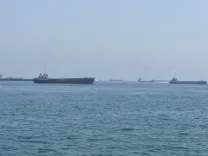
The West Asia crisis — which has included significant Red Sea shipping disruptions since late 2023 — has raised freight costs and threatened energy and fertiliser flows that developing economies depend upon. Successive geopolitical shocks, from the Ukraine conflict of 2022 onward to the West Asia crisis, have imposed what analysts describe as asymmetric costs on poorer states with limited fiscal buffers to absorb them.
Stakeholders and Impact
The countries most exposed are net food-importing nations and low-income commodity-dependent economies across Africa, South Asia, and Latin America. For these states, higher freight costs translate directly into elevated prices for fertilisers needed for the next planting season and fuel required for power generation and transportation — a compounding effect that can tip food-insecure populations into crisis.
India, as one of the largest economies in the Global South and a significant agricultural producer and exporter, occupies a unique position: it is both affected by supply-chain volatility and capable of acting as a diplomatic interlocutor with G7 nations and multilateral financial institutions. PM Modi's statement reinforces New Delhi's self-assigned role as a bridge between the Global North and the developing world.
What's Next
Attention will now turn to India's interventions at the next UN General Assembly session and any follow-up Global South coordination meetings focused on commodity-price stabilisation. The statement may also signal the agenda India intends to advance in upcoming multilateral forums, where calls for reformed global financial and trade institutions — giving greater weight to developing-country concerns — have become a consistent New Delhi refrain.
Whether the international community responds with concrete mechanisms or rhetorical agreement will be a defining test of the solidarity PM Modi has now publicly invoked.
Point of View
Not merely a humanitarian observation. By framing burden-sharing as the true measure of 'international solidarity,' New Delhi is laying rhetorical groundwork ahead of multilateral forums where India seeks structural reforms to global financial and trade institutions. The timing — amid ongoing West Asia instability — allows India to simultaneously project moral leadership and build political capital among the roughly 130 nations that identify with the Global South bloc. This is consistent with India's post-2022 foreign-policy posture: positioning itself as the indispensable interlocutor between a distracted Global North and an economically stressed developing world.
NationPress
18 Sept 2026
Frequently Asked Questions
What did PM Modi say about the West Asia crisis and the Global South?
PM Modi stated on June 17, 2026, that disruptions in fuel, fertiliser and food supply chains caused by the West Asia crisis will continue to impact the Global South for a considerable period, and called for international solidarity so that the most vulnerable countries are not left to bear the consequences alone.
How has the West Asia crisis affected food and fuel supplies for developing countries?
The West Asia crisis, which has included Red Sea shipping disruptions since late 2023, has raised freight costs and threatened fertiliser and energy flows that developing economies rely on, compounding food insecurity and inflation pressures in net food-importing nations.
What is India's role in advocating for the Global South?
India has positioned itself as a diplomatic bridge between the Global North and developing nations, convening the Voice of Global South Summit in January 2023 and using its G20 presidency in 2023 to push for food and energy security declarations and the inclusion of the African Union in the grouping.
What is the Voice of Global South Summit?
The Voice of Global South Summit is a forum convened by India in January 2023 to bring together developing-country leaders and coordinate common positions on issues such as food, fuel and fertiliser security ahead of major multilateral gatherings like the G20.
What could follow PM Modi's statement on Global South supply chain disruptions?
Analysts expect India to raise these concerns at the next UN General Assembly session and at follow-up Global South coordination meetings focused on commodity-price stabilisation and reformed multilateral financial mechanisms.