Sitharaman Highlights India's Global South Role at 12-Year Mark
Synopsis
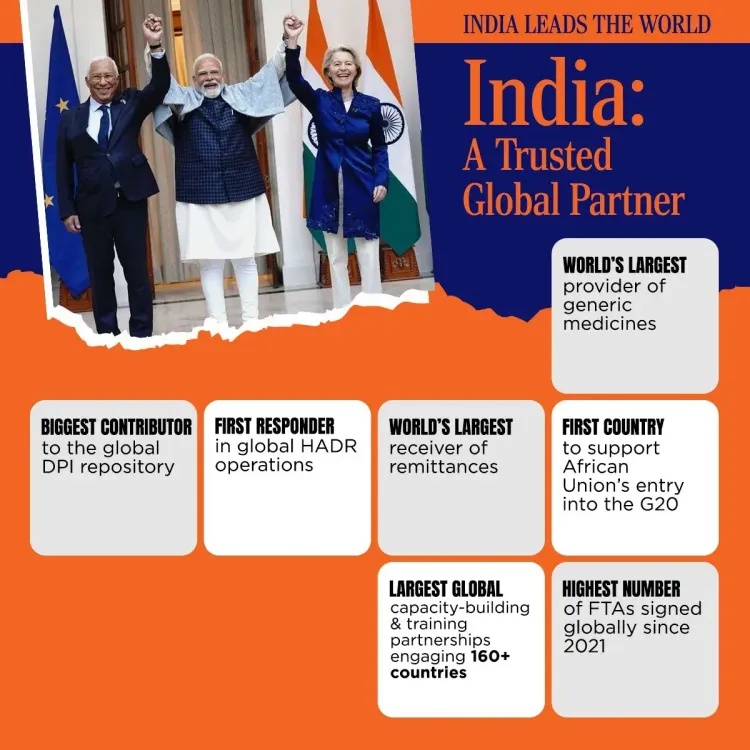
Finance Minister Nirmala Sitharaman marked 12 years of PM Modi's government on June 19, 2026, calling India a 'trusted partner, first responder and voice for the Global South,' anchoring the claim in a record spanning Vaccine Maitri, the 2023 G20 presidency, and the Voice of Global South Summit.
Key Takeaways
Finance Minister Nirmala Sitharaman posted on June 19, 2026 , marking 12 years of the Modi government's 'India First' foreign-policy doctrine.
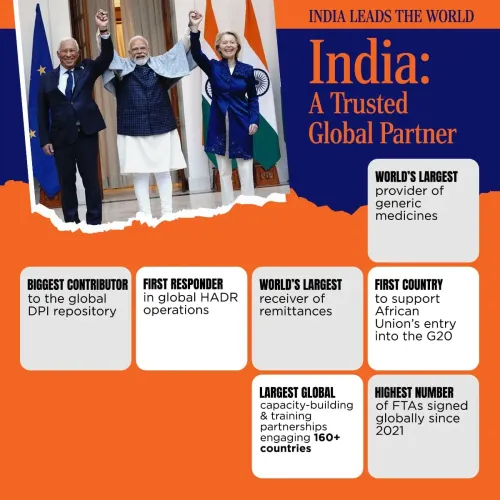
India is described as a 'trusted partner, a first responder and a voice for the Global South' in the post.
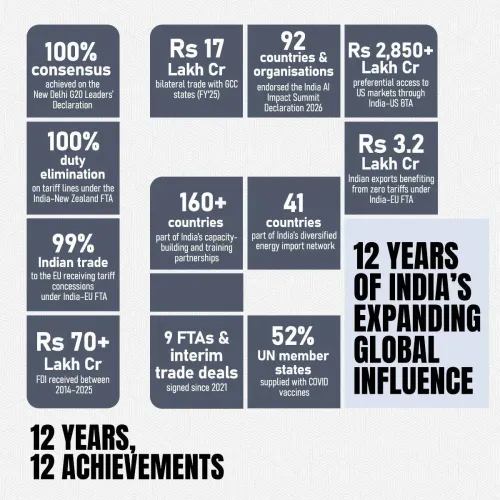
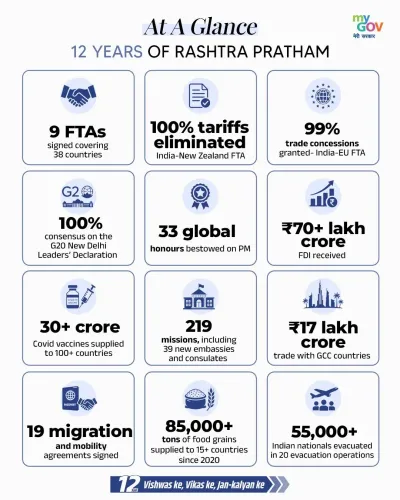
The Vaccine Maitri initiative supplied COVID-19 vaccines to over 100 developing nations, underpinning the 'first responder' claim.
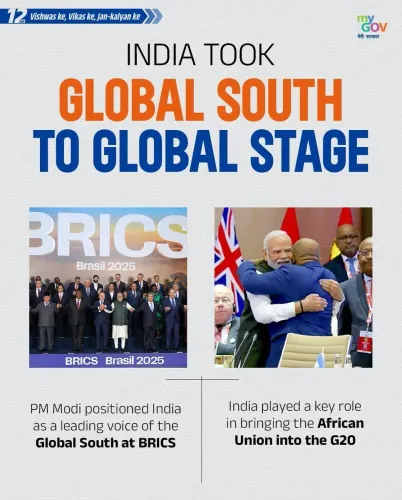
India's G20 presidency in 2023 secured permanent African Union membership in the grouping, a structural gain for Global South representation.
The Voice of Global South Summit was hosted by New Delhi in January 2023 to consolidate developing-nation positions at multilateral forums.
Upcoming BRICS and SCO summits will be the next tests of India's Global South leadership credentials.
Union Finance Minister Nirmala Sitharaman on Friday, June 19, 2026, invoked India's identity as a 'trusted partner, a first responder and a voice for the Global South,' marking 12 years of the BJP-led government's foreign-policy doctrine under Prime Minister Narendra Modi.
Context
Sitharaman's post, tagged #12YearsOfIndiaFirst, frames the current government's foreign-policy record as one of active engagement rather than passive neutrality. The hashtag signals a coordinated party communication effort to mark a dozen years since the Modi government assumed office in May 2014. The minister's framing — 'trusted partner,' 'first responder,' 'voice for the Global South' — draws on three distinct pillars of New Delhi's diplomatic posture that have been built up over that period.
Policy Backdrop
India's claim to Global South leadership rests on a series of concrete diplomatic and humanitarian actions. The Vaccine Maitri initiative, launched in 2020, supplied COVID-19 vaccines to more than 100 developing nations, establishing India's credentials as a first responder in global health crises. In January 2023, New Delhi hosted the inaugural Voice of Global South Summit, consolidating positions of developing countries ahead of major multilateral negotiations.
India's G20 presidency in 2023 delivered a landmark outcome: the permanent induction of the African Union into the grouping, a move widely seen as a structural win for developing-nation representation. The presidency also foregrounded debt relief, climate finance, and food security — issues central to the Global South agenda. These moves have reinforced India's self-positioning as a bridge between the industrialised West and the developing world.
Stakeholders and Impact
The primary beneficiaries cited in India's Global South diplomacy are developing and least-developed countries across Africa, South Asia, Southeast Asia, and Latin America. For these nations, India offers an alternative development-partnership model — one that emphasises south-south cooperation, technology transfer, and disaster relief rather than conditionality-linked aid. New Delhi's advocacy for UN Security Council reform also aligns with the aspirations of many Global South states that feel underrepresented in global governance structures.
Domestically, the '12 Years of India First' framing serves to consolidate the government's foreign-policy narrative ahead of continued multilateral engagements. Sitharaman's amplification of this message from a senior economic portfolio signals that foreign policy and economic diplomacy are being presented as a unified achievement.
What's Next
India's continued role at upcoming BRICS and SCO summits will be closely watched as tests of whether the Global South leadership claim translates into fresh institutional outcomes. New development-assistance or disaster-relief announcements in 2026-27 could further cement or challenge the 'first responder' identity that Sitharaman has highlighted. The diplomatic calendar will determine how much substance backs the anniversary messaging.
Point of View
Coordinated BJP communication effort to frame 12 years of Modi governance as a foreign-policy success story, not merely a domestic one. By invoking the 'Global South' — a term that has gained significant diplomatic currency since India's 2023 G20 presidency — the party is staking a claim to an international legacy that resonates with a broad coalition of developing nations. The 'first responder' tag is grounded in verifiable actions like Vaccine Maitri, giving the messaging a degree of factual ballast that distinguishes it from routine political rhetoric. Longer term, sustaining this identity will require continued institutional wins at BRICS, the UN, and emerging multilateral frameworks, making 2026-27 a critical period for converting anniversary narratives into durable diplomatic outcomes.
NationPress
19 Sept 2026
Frequently Asked Questions
What is India's role in the Global South?
India positions itself as a leading voice for the Global South — the bloc of developing and least-developed nations — through initiatives like the Vaccine Maitri programme, the Voice of Global South Summit, and its 2023 G20 presidency, which secured African Union membership in the grouping.
What is the #12YearsOfIndiaFirst hashtag about?
The hashtag marks 12 years since the BJP-led government under PM Narendra Modi assumed office in May 2014, and is being used to highlight the government's foreign-policy and domestic achievements across multiple platforms.
What did India achieve during its G20 presidency?
During India's G20 presidency in 2023, New Delhi secured the permanent induction of the African Union into the G20, and pushed key Global South priorities including debt relief, climate finance, and food security onto the multilateral agenda.
What was the Vaccine Maitri initiative?
Vaccine Maitri was an Indian foreign-policy initiative launched in 2020 under which India supplied COVID-19 vaccines to over 100 developing nations, establishing New Delhi's credentials as a first responder in global humanitarian crises.
What is the Voice of Global South Summit?
The Voice of Global South Summit was a diplomatic forum hosted by New Delhi in January 2023 to bring together developing nations and consolidate their common positions ahead of the G20 and other major multilateral negotiations.