Rijiju Marks 12 Years of India First Foreign Policy
Synopsis
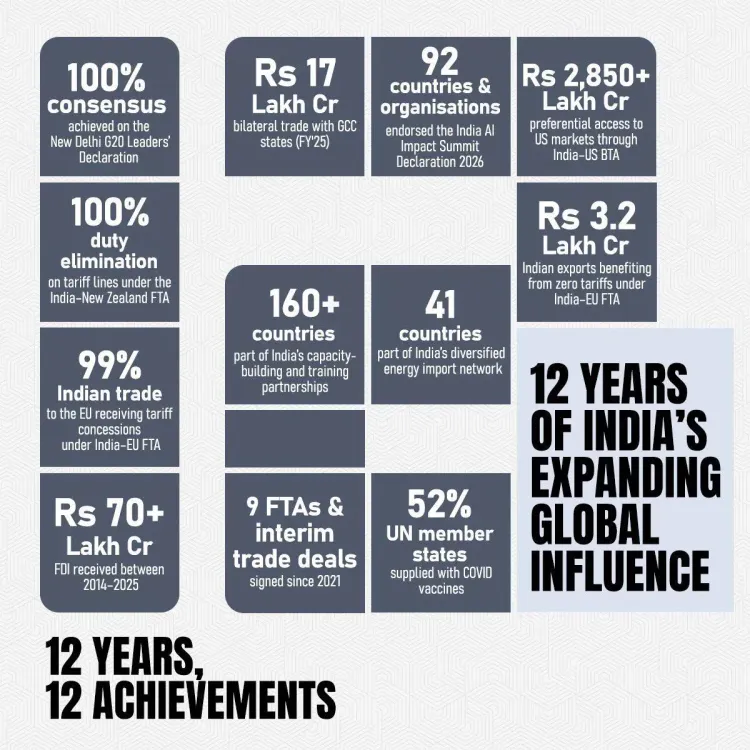
Union Parliamentary Affairs Minister Kiren Rijiju marked twelve years of India's 'India First' foreign policy on June 19, 2026, highlighting a decade-plus of humanitarian assistance and development partnerships with Global South nations under the Modi government.
Key Takeaways
Kiren Rijiju posted on June 19, 2026 marking #12YearsOfIndiaFirst , the Modi government's defining foreign policy doctrine since 2014 .
India launched the Neighbourhood First policy in 2014 , prioritising connectivity and development assistance to South Asian neighbours.
The Vaccine Maitri programme supplied COVID-19 vaccines to over 90 developing countries, becoming a symbol of India's humanitarian outreach.
India has extended multiple Lines of Credit worth billions of dollars to African and Asian nations for infrastructure projects since 2014 .
The 'India First' framework pairs rapid humanitarian responses with long-term development financing across Asia , Africa , and the Pacific .
Upcoming multilateral forums such as BRICS and the UN General Assembly are expected to feature further partnership announcements aligned with this doctrine.
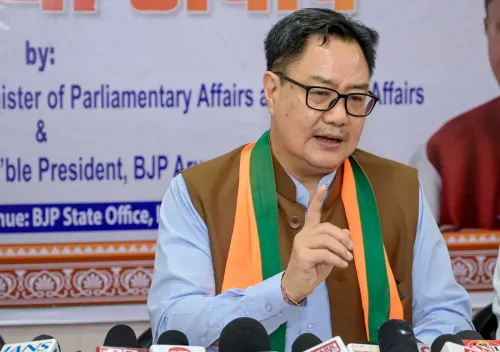
Union Parliamentary Affairs Minister Kiren Rijiju on Friday, June 19, 2026, marked twelve years of India's 'India First' foreign policy, highlighting the country's growing global role through humanitarian assistance and long-term development partnerships with nations across the Global South.
Context
Rijiju's post, tagged #12YearsOfIndiaFirst, comes as the Narendra Modi government completes over a decade of a foreign policy doctrine that placed India's strategic and developmental interests at the centre of its international engagements. The minister described India as 'strengthening its global footprint with purpose and compassion,' underscoring both the humanitarian and strategic dimensions of this approach.
The phrase 'India First' has been the defining frame of Modi's foreign policy since 2014, shaping decisions on neighbourhood diplomacy, development financing, and crisis response across Asia, Africa, and beyond.
Policy Backdrop
The twelve-year arc began with the Neighbourhood First policy launched in 2014, which prioritised connectivity, infrastructure, and development assistance to South Asian neighbours. Over the years, India extended multiple Lines of Credit worth billions of dollars to African and Asian nations for infrastructure projects, embedding itself as a credible development partner for the Global South.
A landmark moment in this trajectory was the Vaccine Maitri programme initiated in 2020, under which India supplied COVID-19 vaccines to over 90 developing countries at a time of acute global need. That initiative became emblematic of the 'helping nations in times of need' dimension that Rijiju referenced in his post.
India's approach has consistently paired rapid humanitarian responses during crises — natural disasters, health emergencies, conflict-related evacuations — with structured, long-term development financing. This dual-track model has allowed New Delhi to build soft power while also advancing economic and strategic interests.
Stakeholders and Impact
The primary beneficiaries of this policy orientation have been developing nations across South Asia, Southeast Asia, Africa, and the Pacific. For these partners, India represents an alternative development model — one rooted in South-South cooperation rather than conditionality-driven assistance.
Domestically, the anniversary serves as a political milestone for the BJP-led government, reinforcing its narrative of an assertive, compassionate, and globally respected India. Senior ministers like Rijiju amplifying the message signals a coordinated effort to communicate foreign policy achievements to a broad domestic audience.
What's Next
Upcoming multilateral engagements — including India's participation in forums such as BRICS and the UN General Assembly — are likely to serve as platforms for further partnership announcements consistent with this doctrine. Parliamentary sessions dealing with external affairs budget allocations may also shed light on how India plans to deepen its development financing commitments in the years ahead.
As India consolidates its position as a leading voice of the Global South, the 'India First' framework is expected to evolve from a primarily regional posture into a more assertive global development and diplomacy strategy.
Point of View
Reinforcing the BJP's narrative of a globally assertive and compassionate India. The 'India First' framing has been carefully cultivated over twelve years to distinguish Modi's foreign policy from earlier administrations, blending strategic self-interest with development solidarity. The anniversary messaging arrives at a moment when India's influence in multilateral forums is at a historic high, making the political dividend of such communication significant. It also signals that foreign policy achievements — traditionally elite-facing — are increasingly being positioned as mass electoral messaging.
NationPress
18 Sept 2026
Frequently Asked Questions
What is India's 'India First' foreign policy?
'India First' is the foreign policy doctrine adopted by the Narendra Modi government since 2014 , centred on prioritising India's strategic, economic, and development interests while building partnerships — especially with Global South nations — through humanitarian assistance, infrastructure financing, and South-South cooperation.
What is the Neighbourhood First policy?
The Neighbourhood First policy, launched in 2014 , prioritises India's engagement with its immediate South Asian neighbours through enhanced connectivity, development assistance, and people-to-people ties, forming the regional foundation of the broader 'India First' doctrine.
What was India's Vaccine Maitri programme?
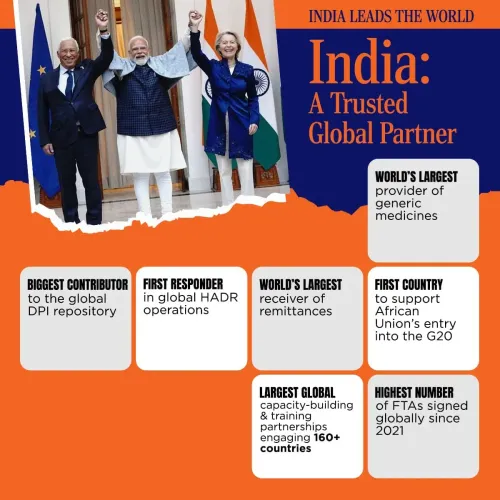
Vaccine Maitri was an initiative launched in 2020 under which India supplied COVID-19 vaccines to over 90 developing countries, positioning India as a first responder in global health crises and a reliable partner for the Global South.
Why did Kiren Rijiju post about India First foreign policy?
Kiren Rijiju , Union Minister of Parliamentary Affairs, posted on June 19, 2026 to mark twelve years of the 'India First' foreign policy under the Modi government, highlighting India's humanitarian and development partnerships globally using the hashtag #12YearsOfIndiaFirst .
How has India supported developing countries since 2014?
Since 2014 , India has extended multiple Lines of Credit worth billions of dollars to African and Asian nations for infrastructure, supplied vaccines to over 90 countries via Vaccine Maitri , and responded to natural disasters and crises across the region as part of its South-South cooperation framework.