Sonowal hails Modi govt's expanded Divyangjan pension policy
Synopsis
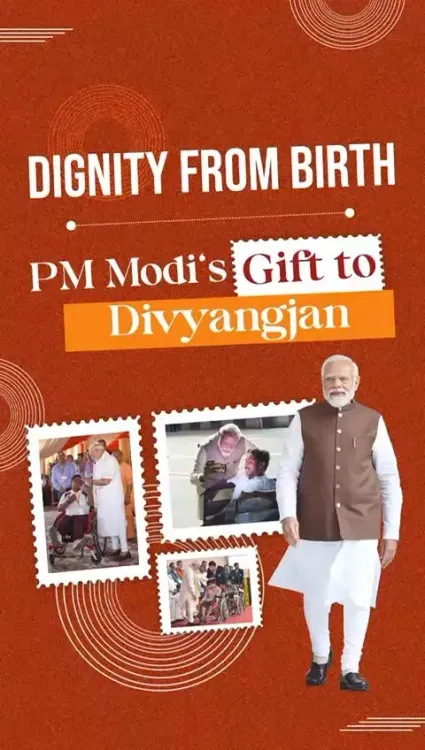
The Modi government has expanded Divyangjan pension coverage to begin from birth and lowered the disability eligibility threshold to 40%, Union Minister Sarbananda Sonowal announced on October 27, 2026, widening the social security net for millions of Indians with disabilities.
Key Takeaways
The Modi government has extended disability pension support to begin from birth , removing the previous age-based exclusion for children with qualifying disabilities.
The disability threshold for pension eligibility has been lowered to 40% , broadening the beneficiary pool to include those with moderate impairments.
Union Minister Sarbananda Sonowal highlighted the changes on October 27, 2026 , calling them a landmark step for Divyangjan under PM Narendra Modi's leadership.
The measures build on the Rights of Persons with Disabilities Act, 2016 , which expanded disability categories and state social security obligations.
Implementation will depend on coordination between central and state governments for actual pension disbursement under the National Social Assistance Programme .
A quiet but consequential shift in India's disability welfare architecture drew public attention on Tuesday, October 27, 2026, when Union Minister of Ports, Shipping and Waterways Sarbananda Sonowal highlighted two significant changes made by the Modi government to the pension support framework for persons with disabilities — extending coverage from birth and lowering the disability threshold to 40%.
What changed: birth-onset coverage and a lower disability bar
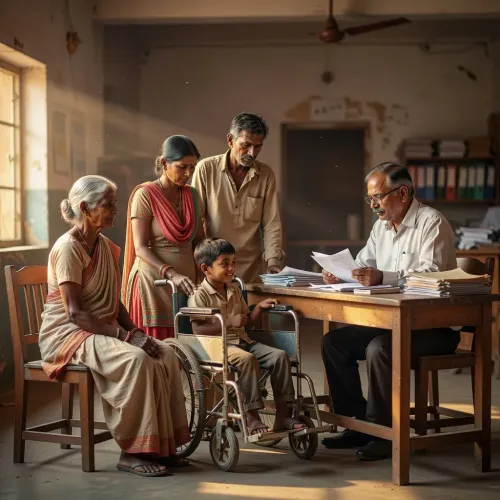
At the heart of the announcement are two pivots. First, pension support will now begin from birth — meaning children born with qualifying disabilities are no longer excluded from the social security net on account of age. Second, the disability threshold required to access benefits has been brought down to 40%, widening the pool of eligible individuals who can claim support without needing to demonstrate a higher degree of impairment.
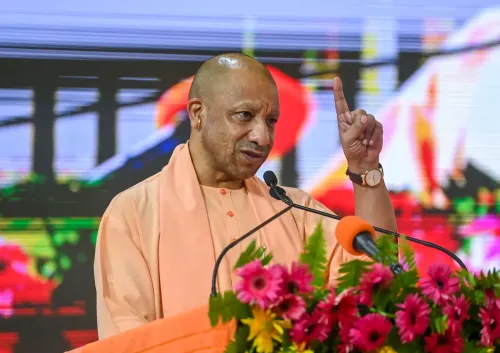
Sonowal, a senior BJP leader and former Chief Minister of Assam, framed the move as a statement of values: 'Dignity and care for every eligible person under Hon'ble PM Shri Narendra Modi Ji's leadership.' The hashtag #DivyangjanKeSaathModiSarkar — 'Modi government with the Divyangjan' — anchored the post's political messaging.
The Rights of Persons with Disabilities Act as the foundation
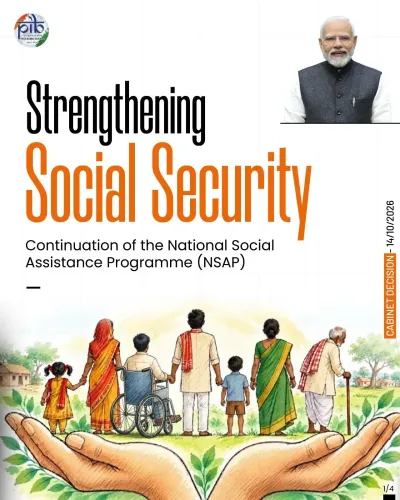
These changes sit within the broader legislative architecture established by the Rights of Persons with Disabilities Act, 2016, which overhauled India's disability law by expanding the number of recognised disability categories and placing a firmer obligation on the state to provide social security. The National Social Assistance Programme (NSAP) — the central government's flagship income-support umbrella — has historically covered the elderly, widows, and persons with disabilities, but eligibility criteria have remained a persistent point of advocacy for disability rights groups.
Lowering the benchmark from a higher threshold to 40% directly responds to one of the long-standing criticisms: that too many people with moderate but life-altering disabilities fell just outside the qualifying boundary.
Who stands to gain
India's disability population, as counted in the last available census data, runs into tens of millions. Even a marginal shift in eligibility criteria can translate into a substantial expansion of the beneficiary base. Children born with conditions such as cerebral palsy, congenital blindness, or severe hearing impairment would be among the most direct beneficiaries of the birth-onset provision. Adults with moderate physical, intellectual, or sensory disabilities who previously did not meet the old threshold now potentially qualify.
Coordination between central and state governments for on-ground pension disbursement will be the key operational test — a detail that parliamentary and budgetary discussions in the months ahead are expected to address.
For millions of Indian families navigating life with disability, the shift from the margins of eligibility to the centre of the safety net is not an abstraction. It is a monthly payment — and the government has just moved the line.
Point of View
Moving the policy closer to the inclusive intent of the Rights of Persons with Disabilities Act, 2016. For the BJP, the announcement is a targeted welfare signal ahead of a political cycle where inclusive governance optics carry electoral weight, particularly in states with large rural disability populations. The real test, however, lies in implementation: India's social pension programmes have historically struggled with last-mile disbursement gaps between central mandates and state-level execution. If the rollout is smooth, this could become a defining welfare credential of the Modi government's third term.
NationPress
27 Oct 2026
Frequently Asked Questions
What is the new disability pension threshold announced by the Modi government?
The Modi government has lowered the disability threshold for pension eligibility to 40% , meaning individuals with at least a 40% assessed disability now qualify for pension support — down from the previous higher benchmark.
From what age will Divyangjan pension support now begin in India?
Under the revised policy highlighted by Minister Sarbananda Sonowal , pension support for persons with disabilities will now begin from birth , ensuring that children born with qualifying conditions are covered from day one.
What is the Rights of Persons with Disabilities Act 2016?
The Rights of Persons with Disabilities Act, 2016 is India's comprehensive disability law that expanded the number of recognised disability categories to 21 and strengthened the state's obligation to provide social security, education, and employment support to persons with disabilities.
What is the National Social Assistance Programme and how does it help Divyangjan?
The National Social Assistance Programme (NSAP) is the central government's income-support umbrella that provides monthly pensions to the elderly, widows, and persons with disabilities meeting eligibility criteria. The expanded Divyangjan provisions fall under this broader framework.
Who is Sarbananda Sonowal?
Sarbananda Sonowal is India's Union Minister of Ports, Shipping and Waterways, a senior BJP leader, and former Chief Minister of Assam . He is known for being the first BJP chief minister of Assam and has held multiple cabinet portfolios in the Modi government.