PM Modi pays tribute to Syama Prasad Mookerjee on Balidan Diwas
Synopsis
On Balidan Diwas, PM Modi took to X to honour Dr. Syama Prasad Mookerjee — the barrister-turned-minister who resigned from Nehru's Cabinet, founded the Bharatiya Jana Sangh in 1951, and died in custody in 1953 opposing J&K's permit system. The tribute underscores the ideological lineage the BJP traces directly to Mookerjee's nationalist vision.
Key Takeaways
PM Modi paid tribute to Dr.
Syama Prasad Mookerjee on Balidan Diwas , posting his homage on social media platform X .
Mookerjee was born on 6 July 1901 in Calcutta and served as the youngest Vice-Chancellor of Calcutta University from 1934 to 1938 .
He served as India's first Minister for Industry and Supply in Jawaharlal Nehru's Cabinet from 1947 to 1950 , before resigning over policy differences.
He founded the Bharatiya Jana Sangh in 1951 , the predecessor of today's Bharatiya Janata Party (BJP) .
Mookerjee's death in custody in 1953 , while opposing the J&K permit system, is the event Balidan Diwas commemorates.
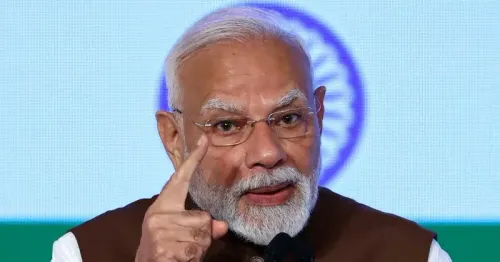
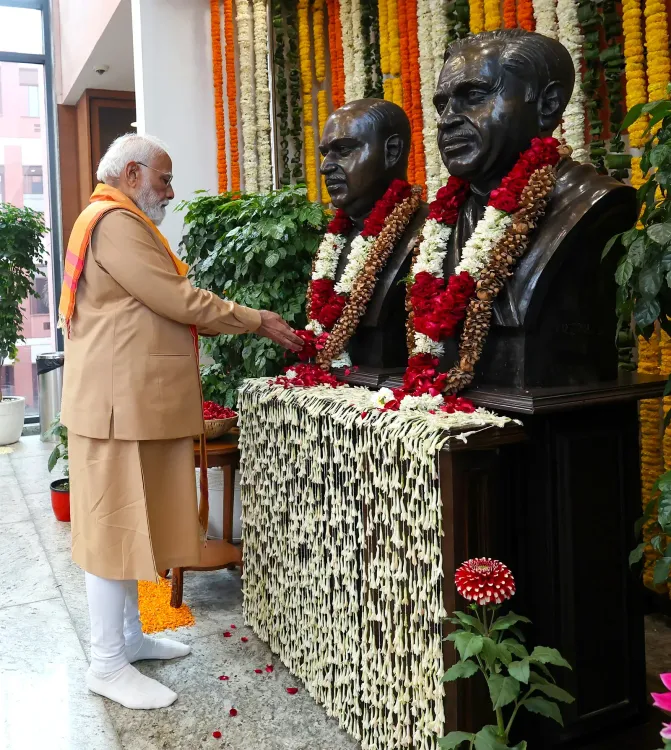
Prime Minister Narendra Modi on Tuesday paid homage to Dr. Syama Prasad Mookerjee on his death anniversary, honouring the founder of the Bharatiya Jana Sangh as a 'distinguished patriot, scholar and statesman' who devoted his life to India's progress. The tribute, posted on social media platform X, came on Balidan Diwas — the day observed annually to mark Mookerjee's sacrifice.
In his post, Modi said: 'On his Balidan Diwas, I pay homage to Dr. Syama Prasad Mookerjee, a distinguished patriot, scholar and statesman who dedicated his life to India's development. His unwavering conviction, courage in public life and commitment to national interest continue to inspire generations. Dr. Mookerjee's sacrifice remains etched in our collective memory. We reaffirm our commitment to building a strong and developed India, guided by the values he cherished and served till his last breath.'
Who Was Syama Prasad Mookerjee
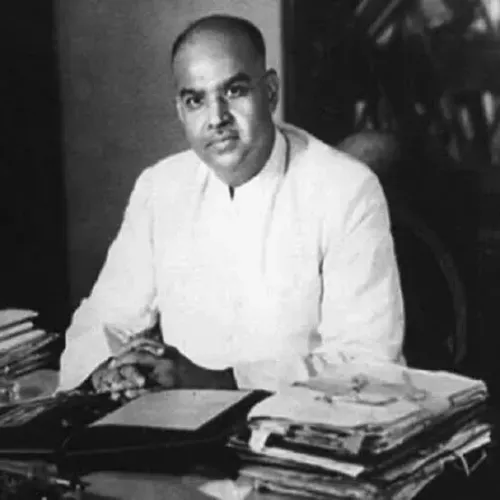
Dr. Syama Prasad Mookerjee, born on 6 July 1901 in Calcutta (now Kolkata), came from a family of academicians and legal luminaries. An educationist, barrister, and politician, he served as the youngest Vice-Chancellor of Calcutta University from 1934 to 1938, working to expand higher education across the country.
His political career began in 1929 when he was elected to the Bengal Legislative Council as an independent candidate. He later associated with the Indian National Congress before aligning with the Hindu Mahasabha during the 1930s over ideological differences.
Role in Post-Independence India
After Independence, Mookerjee became India's first Minister for Industry and Supply in Prime Minister Jawaharlal Nehru's Cabinet, serving from 1947 to 1950. In that role, he championed industrialisation, supported small-scale industries, and advocated economic self-reliance — laying early groundwork for India's industrial policy.
Disagreements with Nehru over Kashmir, Pakistan policy, and secularism eventually led to his resignation in 1950. The following year, in 1951, he founded the Bharatiya Jana Sangh, built on the principles of cultural nationalism, economic self-reliance, and national unity. The Jana Sangh is widely regarded as the ideological and organisational predecessor of today's Bharatiya Janata Party (BJP).
Legacy and Political Significance
Mookerjee's vision helped shape enduring debates on nationalism, identity, and governance in independent India. His emphasis on national integration and a nationalist political alternative gave rise to a significant opposition force during the Nehruvian era.
He is remembered not only as a political leader but also as a constitutional thinker and social reformer whose contributions spanned education, politics, and public life. His death in custody in 1953, while opposing the permit system for entry into Jammu & Kashmir, remains a defining moment in the BJP's founding narrative. Balidan Diwas is observed each year by the party and its affiliates to commemorate that sacrifice.
Annual Observance
Tributes to Mookerjee on Balidan Diwas are a regular feature of BJP political culture, with senior leaders across the country holding events and sharing messages. Modi's post this year follows the pattern of previous tributes, reinforcing the ideological lineage the party draws from its founding figure. The observance also serves as a moment to reiterate the BJP's stated commitment to the values Mookerjee espoused — national unity, self-reliance, and cultural identity.
Point of View
A trajectory that complicates the clean ideological lineage the party projects. His death in custody in 1953 remains contested in historical accounts, and successive governments have declined to commission an independent inquiry. The tribute, then, is selective memory — honouring the martyr while leaving the circumstances of his death unexamined.
NationPress
21 Sept 2026
Frequently Asked Questions
Why is Balidan Diwas observed for Syama Prasad Mookerjee?
Balidan Diwas marks the death anniversary of Dr. Syama Prasad Mookerjee, who died in custody in 1953 while protesting the permit system required for entry into Jammu & Kashmir. The BJP and its affiliates observe the day annually to honour his sacrifice and nationalist convictions.
Who was Syama Prasad Mookerjee?
Dr. Syama Prasad Mookerjee was an educationist, barrister, and politician born on 6 July 1901 in Calcutta. He served as the youngest Vice-Chancellor of Calcutta University, as India's first Minister for Industry and Supply, and later founded the Bharatiya Jana Sangh in 1951 — the ideological predecessor of the BJP.
What did PM Modi say about Syama Prasad Mookerjee on Balidan Diwas?
PM Modi posted on X that Mookerjee was 'a distinguished patriot, scholar and statesman who dedicated his life to India's development,' adding that his 'unwavering conviction, courage in public life and commitment to national interest continue to inspire generations.'
What is the connection between Syama Prasad Mookerjee and the BJP?
Mookerjee founded the Bharatiya Jana Sangh in 1951, which is widely regarded as the direct predecessor of the Bharatiya Janata Party (BJP). The BJP traces its ideological lineage — centred on cultural nationalism, national integration, and self-reliance — to Mookerjee's political vision.
What role did Mookerjee play in post-Independence India?
Mookerjee served as India's first Minister for Industry and Supply in Prime Minister Jawaharlal Nehru's Cabinet from 1947 to 1950, championing industrialisation and small-scale industries. He resigned in 1950 over disagreements on Kashmir, Pakistan policy, and secularism, and went on to found the Bharatiya Jana Sangh the following year.