Modi completes 12 years as India's longest continuously serving PM
Synopsis
On 10 June 2025, Narendra Modi crossed 4,399 days in continuous office, surpassing Jawaharlal Nehru's record to become India's longest continuously serving elected Prime Minister. Yoga guru Baba Ramdev marked the milestone by crediting Modi with laying India's foundation for the next 100 to 200 years — a claim that will be tested against the long-term outcomes of his flagship Viksit Bharat agenda.
Key Takeaways
PM Narendra Modi on 10 June 2025 became India's longest continuously serving elected Prime Minister, crossing 4,399 days in office.
The previous record was held by Jawaharlal Nehru , counted from his elected tenure beginning in 1952 .
Indira Gandhi served more than 14 years total but not continuously, making Modi's record distinct.
Yoga guru Baba Ramdev said Modi's schemes would 'lay the foundation for the country for the next 100 to 200 years.' Modi's tenure has included landmark decisions such as the abrogation of Article 370 and the construction of the Ram Mandir in Ayodhya .
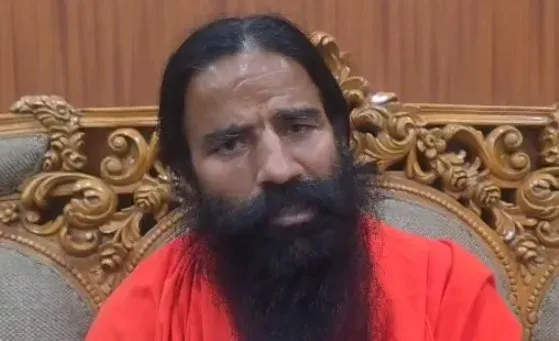
Yoga guru Baba Ramdev on 10 June 2025 said that Prime Minister Narendra Modi, who on the same day surpassed the record for the longest continuously serving elected Prime Minister in India's history, has laid the groundwork for the country's progress over the next century and beyond. Modi crossed the 4,399-day mark set by former Prime Minister Jawaharlal Nehru, completing 12 years in continuous office.
What Baba Ramdev Said
Speaking to reporters, Ramdev said: 'PM Modi has brought schemes that will lay the foundation for the country for the next 100 to 200 years. He is dedicated towards an Aatmnirbhar Bharat and is working hard to transform India into Viksit Bharat by 2047.' He described Modi's personality as 'majestic like the Himalayas' and said the nation would remember his contributions with gratitude for centuries.
Ramdev also credited Modi's tenure with elevating India's global standing, stating that any Indian visiting another country today is 'perceived with respect' — a change he attributed directly to the Prime Minister's intent and policies.
The Historic Milestone Explained
On 10 June 2025, Narendra Modi surpassed Jawaharlal Nehru's tally of 4,399 days in office. Nehru's tenure for this comparison is counted from 1952, when he was elected after India's first general elections; his earlier role heading an interim government between 1947 and 1952 is excluded from the reckoning.
Former Prime Minister Indira Gandhi served for more than 14 years in total, but her tenure was not continuous, which is why Modi holds the distinction of being the longest continuously serving elected Prime Minister in the country's history.
Key Decisions Cited
Ramdev pointed to several landmark decisions under Modi's watch — including the abrogation of Article 370 in Jammu and Kashmir and the construction of the Ram Mandir in Ayodhya — as evidence of a leadership that has consistently prioritised what he described as national interest. He also noted that yoga, Ayurveda, Swadeshi (self-reliance), Sanatan culture, and Indian values have gained wider global recognition during this period.
Broader Context
Modi first took office on 26 May 2014 and has since led the Bharatiya Janata Party (BJP) to successive general election victories in 2019 and 2024. The milestone comes as his government continues to pursue its flagship Viksit Bharat 2047 agenda — a long-term development blueprint targeting developed-nation status by India's centenary of independence. Whether the record translates into durable policy outcomes remains a subject of ongoing national debate.
Point of View
399-day milestone is constitutionally and historically significant, but longevity in office is not the same as depth of institutional change. Modi's record is real; whether the Viksit Bharat blueprint becomes a measurable legacy or remains an aspirational slogan depends on outcomes that are still years away. Notably, the loudest voices marking the occasion — like Ramdev's — are ideological allies, not independent assessors. A more rigorous reckoning would weigh the record against GDP per capita trajectories, manufacturing's stubbornly static share of GDP, and the state of federal institutions. Continuity of leadership can be a strength or a concentration of risk; India's democratic health will be the ultimate verdict.
NationPress
26 Oct 2026
Frequently Asked Questions
Why is PM Modi's 12-year tenure considered a record?
Narendra Modi became India's longest continuously serving elected Prime Minister on 10 June 2025, crossing the 4,399-day mark set by Jawaharlal Nehru. Indira Gandhi served longer in total but not without interruption, so the 'continuous' qualifier makes Modi's record distinct.
How is Nehru's tenure counted for this comparison?
Nehru's tenure is counted from 1952, when he was first elected after India's inaugural general elections. His earlier role as head of the interim government between 1947 and 1952 is excluded from the comparison.
What did Baba Ramdev say about PM Modi's 12 years?
Ramdev said Modi has 'brought schemes that will lay the foundation for the country for the next 100 to 200 years' and praised his commitment to Aatmnirbhar Bharat and Viksit Bharat 2047. He also credited Modi with raising India's global standing and promoting yoga, Ayurveda, and Indian culture internationally.
What landmark decisions has Modi taken during his tenure?
Among the decisions cited are the abrogation of Article 370 in Jammu and Kashmir and the construction of the Ram Mandir in Ayodhya. His government has also pursued flagship programmes including the Production-Linked Incentive scheme and the Viksit Bharat 2047 development blueprint.
Who held the record before Modi?
Jawaharlal Nehru held the record with 4,399 days as an elected Prime Minister, a tally Modi surpassed on 10 June 2025. The comparison excludes Nehru's pre-election interim tenure from 1947 to 1952.