PM Modi inaugurates ₹3,350 crore projects in Ladakh: Airport, road, heritage park
Synopsis
In a single-day push, Modi inaugurated five projects worth ₹3,350 crore in Ladakh — a new geothermal-powered airport terminal, a 298-km BRO road through Zanskar, two energy projects, India's first petroglyph conservation park, and 40 water bodies for farmers. It is one of the most wide-ranging multi-sector development packages the Union Territory has seen since its 2019 reorganisation.
Key Takeaways
PM Modi inaugurated five projects worth ₹3,350 crore in Ladakh on 15 October 2026 via video conferencing.
The new passenger terminal at Kushok Bakula Rimpochee Airport, Leh (₹640 crore) spans 23,800 sq metres and can handle 35 lakh passengers annually .
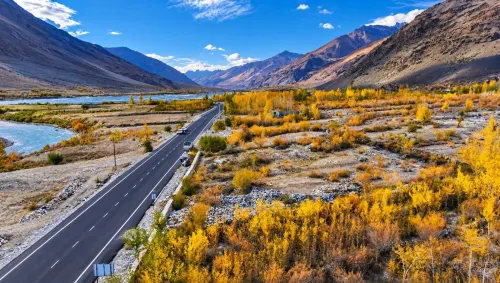
The 298-km Nimmu-Padum-Darcha Road , built by BRO , links Leh to Himachal Pradesh via the Zanskar Valley , boosting military and civilian connectivity.
India's first Petroglyph Conservation Park was inaugurated at Sindhu Ghat, Leh , to protect prehistoric rock art sites.
Project Him Sarovar delivers 40 water bodies across 40 villages to address seasonal water scarcity for farmers.
Energy projects include the 9 MW Hanu Small Hydroelectric Project and a 66 kV Double-Circuit Dah-Hanu-Khaltsi Transmission Line .
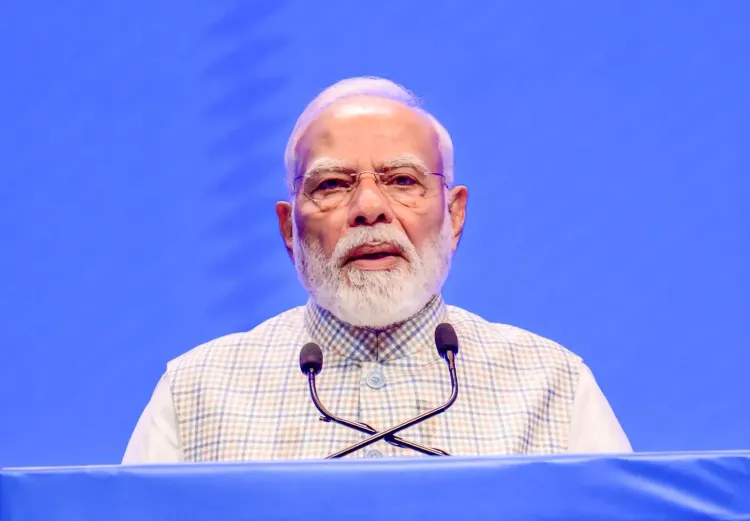
Prime Minister Narendra Modi on Thursday, 15 October 2026, inaugurated five major development projects worth ₹3,350 crore in Ladakh, addressing the region's connectivity, energy, cultural heritage, and water security needs via video conferencing at around 12:30 pm IST. The projects span infrastructure, renewable energy, archaeology, and agriculture — marking one of the most comprehensive single-day development pushes in the Union Territory's recent history.
New Airport Terminal at Leh
The centrepiece of the inauguration is the new passenger terminal building at Kushok Bakula Rimpochee Airport in Leh, built at a cost of ₹640 crore. Spread over 23,800 square metres, the modern facility is designed to handle 35 lakh passengers annually. The terminal integrates geothermal energy systems to boost energy efficiency and reduce its carbon footprint — a design choice that reflects the ecological sensitivity of Ladakh's high-altitude environment. The architecture blends contemporary passenger amenities with elements drawn from Ladakh's traditional cultural heritage, improving both convenience and the region's air connectivity with the rest of India.
Nimmu-Padum-Darcha Road: A Strategic Lifeline
Prime Minister Modi also dedicated to the nation the 298-km Nimmu-Padum-Darcha Road, constructed by the Border Roads Organisation (BRO). The road connects Nimmu in Leh with Darcha in Himachal Pradesh through the remote Zanskar Valley, traversing challenging Himalayan terrain including the high-altitude Shinkun La Pass. It functions as an alternative connectivity corridor to Ladakh, supplementing the existing Srinagar–Leh and Manali–Leh highways.
Beyond its strategic value in enhancing operational mobility and logistical support for the Armed Forces, the road will improve access to healthcare, education, markets, and essential services for residents of the Zanskar region — communities that have historically faced near-total isolation during winter months.
Energy Projects: Hydropower and Transmission
On the energy front, Modi inaugurated the 9 MW Hanu Small Hydroelectric Project and the 66 kV Double-Circuit Dah-Hanu-Khaltsi Transmission Line. Together, these projects strengthen power evacuation infrastructure and improve the reliability of Ladakh's electricity network. They represent a step toward harnessing the region's considerable hydropower resources and reducing dependence on fossil-fuel-based generation in a zone with significant renewable potential.
India's First Petroglyph Conservation Park
In a significant move for cultural preservation, the Prime Minister inaugurated India's first Petroglyph Conservation Park at Sindhu Ghat in Leh. Ladakh is home to hundreds of prehistoric rock art sites featuring carvings of wildlife, human figures, and symbolic representations that offer insights into thousands of years of civilisational history. The conservation park will protect these vulnerable archaeological remains, raise public awareness, and promote responsible heritage tourism — a sector with considerable economic potential for the region.
Project Him Sarovar: Water Security for Farmers
Rounding out the inaugurations, Modi launched 40 water bodies developed across 40 villages under Project Him Sarovar, an initiative aligned with the objectives of Mission Amrit Sarovar. The project directly addresses a structural challenge in Ladakhi agriculture: a seasonal mismatch between water availability — driven by snowmelt and glacial runoff — and peak irrigation demand during the sowing season. By conserving water when it is available and releasing it when it is needed, the initiative aims to sustain agricultural livelihoods and strengthen long-term water security across the region.
Context and Significance
This comes amid continued focus by the Centre on developing Ladakh since its reorganisation as a Union Territory in 2019. The region's strategic location along India's borders with China and Pakistan lends added geopolitical weight to infrastructure investments here. Notably, BRO-built connectivity projects in the region have accelerated significantly over the past few years, and Thursday's inaugurations consolidate that momentum across multiple sectors simultaneously.
Point of View
350 crore package is notable not just for its scale but for its breadth — simultaneously addressing connectivity, energy, heritage, and water in one announcement. Yet the real measure will be utilisation: Ladakh's new infrastructure has historically faced operational gaps due to extreme weather, thin population density, and maintenance challenges. The Nimmu-Padum-Darcha Road, in particular, traverses terrain that keeps it snowbound for months — its year-round strategic value hinges on whether the BRO can sustain it as a dependable corridor rather than a seasonal route. The petroglyph park is a genuinely rare move for India, where archaeological preservation rarely commands this level of political visibility; if it anchors a heritage-tourism circuit, the economic returns for a region with limited livelihood options could be disproportionately large.
NationPress
15 Oct 2026
Frequently Asked Questions
What projects did PM Modi inaugurate in Ladakh on 15 October 2026?
PM Modi inaugurated five projects worth ₹3,350 crore in Ladakh: a new passenger terminal at Kushok Bakula Rimpochee Airport in Leh, the 298-km Nimmu-Padum-Darcha Road built by BRO, the 9 MW Hanu Small Hydroelectric Project, the 66 kV Dah-Hanu-Khaltsi Transmission Line, India's first Petroglyph Conservation Park at Sindhu Ghat, and 40 water bodies under Project Him Sarovar.
What is the Nimmu-Padum-Darcha Road and why is it significant?
The Nimmu-Padum-Darcha Road is a 298-km route built by the Border Roads Organisation connecting Nimmu in Leh to Darcha in Himachal Pradesh through the Zanskar Valley. It provides an alternative connectivity corridor to Ladakh beyond the Srinagar–Leh and Manali–Leh highways, enhancing military logistics and improving civilian access to healthcare, education, and markets in the remote Zanskar region.
What is India's first Petroglyph Conservation Park?
It is a dedicated conservation site inaugurated at Sindhu Ghat in Leh, Ladakh, designed to protect prehistoric rock carvings featuring wildlife, human figures, and symbolic art that date back thousands of years. The park aims to preserve these irreplaceable archaeological remains while promoting responsible heritage tourism.
What is Project Him Sarovar and who does it benefit?
Project Him Sarovar is a water conservation initiative under which 40 water bodies have been developed across 40 villages in Ladakh, aligned with Mission Amrit Sarovar. It addresses a seasonal mismatch between glacial water availability and irrigation demand, directly benefiting farmers who face water scarcity during the crucial sowing season.
How does the new Leh airport terminal improve connectivity?
The new terminal at Kushok Bakula Rimpochee Airport in Leh, built at ₹640 crore, spans 23,800 square metres and is designed to handle 35 lakh passengers annually — significantly expanding capacity. It incorporates geothermal energy for sustainability and blends modern amenities with Ladakhi architectural elements, strengthening the region's air links with the rest of India.