PM Modi launches 75 redeveloped rail stations, ₹5,470 crore projects from Jalandhar
Synopsis
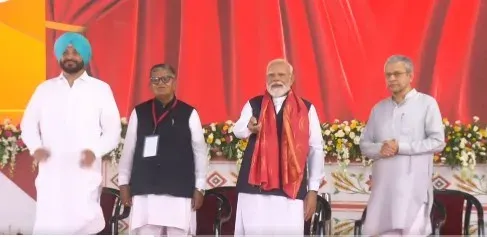
From Jalandhar, Modi simultaneously inaugurated 75 modernised railway stations across 20 states, flagged off two new train services including an Amritsar–Varanasi link, opened a new Punjab–Himachal rail line, and launched over ₹3,070 crore in highway projects — all in a single event that doubled as a pre-election outreach to Punjab's Dalit community through a high-profile meeting with Dera Sachkhand's Sant Niranjan Dass.
Key Takeaways
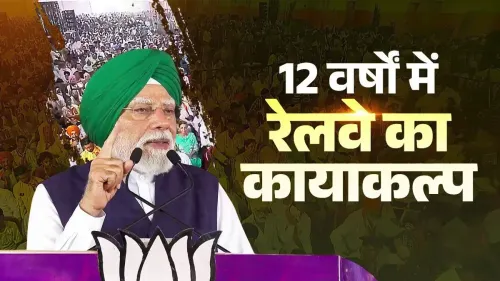
PM Modi inaugurated infrastructure projects worth over ₹5,470 crore from Jalandhar on 17 July .
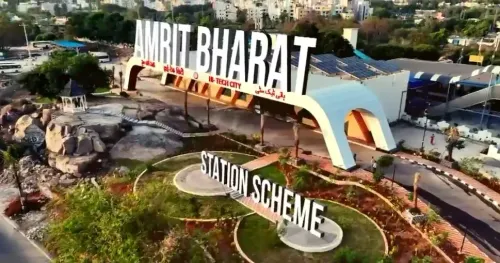
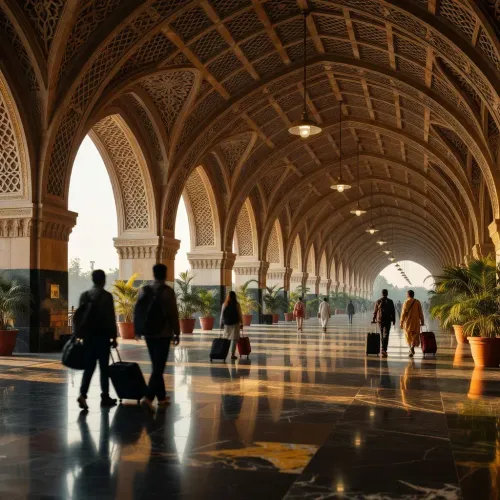
75 railway stations across 20 states redeveloped at a cost of approximately ₹1,570 crore under the Amrit Bharat Station Scheme .
The Daulatpur Chowk–Kartoli rail line, costing approximately ₹830 crore , boosts connectivity between Punjab and Himachal Pradesh .
Two trains flagged off: Kartoli–Ambala and Amritsar (Chheharta)–Varanasi services.
National Highway projects worth over ₹3,070 crore , including a 30.9-km stretch of the Delhi–Amritsar–Katra Expressway and a 25.2-km Southern Ludhiana Bypass.
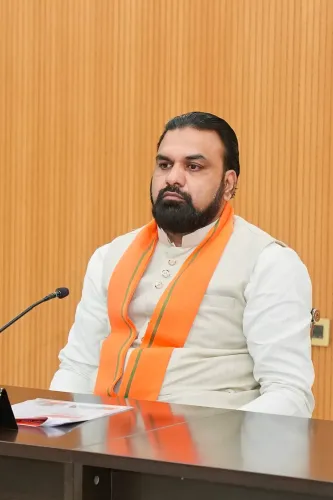
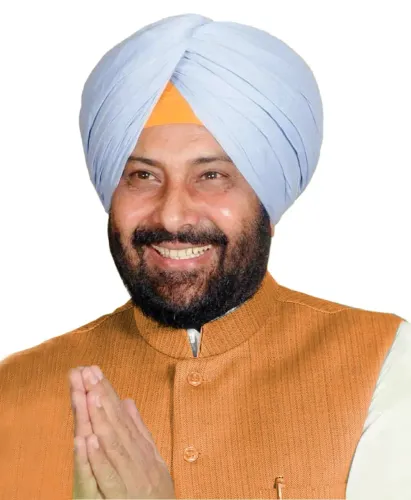
Modi met Dera Sachkhand head Sant Niranjan Dass , seen as outreach to Punjab's Dalit community ahead of state elections.
Prime Minister Narendra Modi on Friday, 17 July inaugurated and laid the foundation stone of infrastructure projects worth over ₹5,470 crore from Jalandhar, covering 75 redeveloped railway stations, two new train services, a new rail line, and National Highway works. The projects aim to strengthen connectivity, improve passenger convenience, and accelerate economic development across Punjab, Haryana, and Himachal Pradesh.
75 Stations Redeveloped Under Amrit Bharat Scheme
The 75 redeveloped railway stations — including Jalandhar Cantonment — span 20 states and were developed at a cost of approximately ₹1,570 crore under the Amrit Bharat Station Scheme, described as one of the world's largest station redevelopment programmes. Built under the guiding principle of 'Virasat Bhi, Vikas Bhi' (Heritage as well as Development), the stations incorporate local cultural, heritage, and architectural elements alongside modern passenger amenities.
The redevelopment marks a significant milestone in the Indian Railways' push to modernise infrastructure while preserving regional identity — a model that railway officials say will be extended further in subsequent phases.
New Rail Line and Train Services Flagged Off
Modi also inaugurated the Daulatpur Chowk–Kartoli new rail line, built at a cost of approximately ₹830 crore as part of the Nangal Dam–Talwara–Mukerian New Rail Line Project. The line is expected to significantly strengthen rail connectivity between Punjab and Himachal Pradesh, benefiting the districts of Hoshiarpur and Una.
The new line also provides rail access to key religious destinations, including Shri Anandpur Sahib and Maa Chintpurni Temple, while opening up faster and more reliable transportation to previously underserved remote areas.
Two train services were flagged off: the Kartoli–Ambala service, improving cross-state connectivity across Punjab, Haryana, and Himachal Pradesh, and the Amritsar (Chheharta)–Varanasi service, establishing a direct rail link between two of India's most revered spiritual centres.
National Highway Projects Worth ₹3,070 Crore
On the road infrastructure front, Modi inaugurated the 30.9-km Package-6 of the four-lane greenfield Delhi–Amritsar–Katra Expressway, designed to ease travel for heavy vehicles while reducing fuel consumption and vehicle operating costs. He also laid the foundation stone for the 25.2-km six-lane greenfield Southern Ludhiana Bypass, which will cut travel distance and time between Ludhiana and Bathinda while improving links to major economic centres. Together, the highway projects are valued at over ₹3,070 crore.
Meeting With Sant Niranjan Dass and Political Backdrop
Before the inaugurations, Modi met and interacted with Dera Sachkhand's head, Sant Niranjan Dass, and received his blessings — a meeting widely noted as an outreach to the Dalit community, which holds considerable electoral weight in Punjab. The state is due for assembly elections in early 2026. The Prime Minister also interacted with passengers onboard a train, a gesture that observers read as part of the broader public engagement surrounding the event.
The combination of large-scale infrastructure delivery and community outreach in a politically sensitive state underscores the dual purpose of the Jalandhar event — development optics and electoral groundwork ahead of a high-stakes Punjab poll.
Point of View
A new rail line, two train services, and highway projects — all announced from a state facing elections in early 2026. The meeting with Sant Niranjan Dass is not incidental; the Dera Sachkhand commands significant Dalit voter loyalty in Punjab, and the optics of Modi receiving his blessings are calibrated accordingly. The Amrit Bharat Station Scheme's scale is genuinely impressive, but the test will be operational quality post-handover — previous station redevelopments have faced criticism over maintenance gaps once the inauguration spotlight fades. The Amritsar–Varanasi train link is symbolically potent, connecting Sikhism's holiest city to Hinduism's spiritual capital, a framing that carries its own political resonance.
NationPress
16 Oct 2026
Frequently Asked Questions
What is the Amrit Bharat Station Scheme under which 75 stations were redeveloped?
The Amrit Bharat Station Scheme is one of the world's largest railway station redevelopment programmes, aimed at transforming Indian railway stations into modern, passenger-friendly facilities while incorporating local cultural and architectural heritage. The 75 stations inaugurated on 17 July were developed at a combined cost of approximately ₹1,570 crore across 20 states.
Which new rail line did PM Modi inaugurate on 17 July?
Modi inaugurated the Daulatpur Chowk–Kartoli new rail line, built at approximately ₹830 crore as part of the Nangal Dam–Talwara–Mukerian New Rail Line Project. The line strengthens connectivity between Punjab and Himachal Pradesh, serving the districts of Hoshiarpur and Una, and provides rail access to religious sites including Shri Anandpur Sahib and Maa Chintpurni Temple.
What are the two train services flagged off from Jalandhar?
The two services are the Kartoli–Ambala train, improving connectivity across Punjab, Haryana, and Himachal Pradesh, and the Amritsar (Chheharta)–Varanasi train, establishing a direct rail link between two of India's most significant spiritual destinations.
What National Highway projects were announced in Punjab?
Modi inaugurated the 30.9-km Package-6 of the four-lane greenfield Delhi–Amritsar–Katra Expressway and laid the foundation stone for the 25.2-km six-lane greenfield Southern Ludhiana Bypass. Together, the highway projects are valued at over ₹3,070 crore and aim to cut travel time between Ludhiana and Bathinda while easing heavy-vehicle movement toward Katra.
Why did PM Modi meet Sant Niranjan Dass during the Jalandhar event?
Modi met Dera Sachkhand's head Sant Niranjan Dass and received his blessings ahead of the inauguration. The meeting is widely seen as an outreach to Punjab's Dalit community, which has a strong association with Dera Sachkhand, with Punjab assembly elections due in early 2026.