Kishan Reddy hails ₹480 cr Jodhpur Airport terminal launch

Synopsis
Union Minister G. Kishan Reddy lauded PM Modi's July 4 inauguration of a ₹480 crore terminal at Jodhpur Airport, calling it a boost to tourism, trade, and connectivity in Rajasthan and a milestone in India's civil aviation expansion.
Key Takeaways
Union Coal and Mines Minister G.
Kishan Reddy posted on July 6, 2026 praising the new Jodhpur Airport terminal.
PM Narendra Modi inaugurated the terminal on July 4, 2026 .
The terminal was developed at a cost of ₹480 crore .
The facility is expected to boost tourism, trade, and economic growth in Rajasthan .
The project aligns with India's National Civil Aviation Policy 2016 and the UDAN regional connectivity scheme.
Passenger traffic data and follow-on UDAN route awards will be key indicators of the terminal's economic impact.
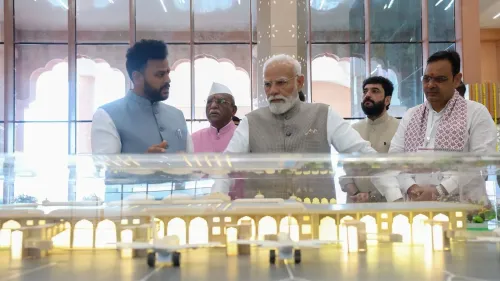
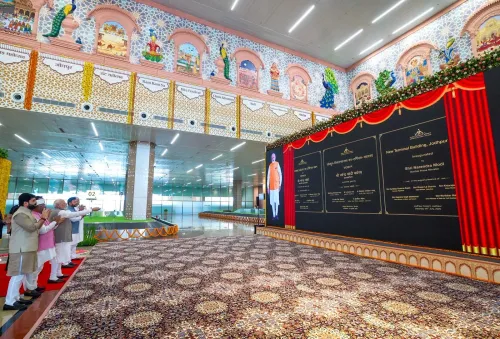
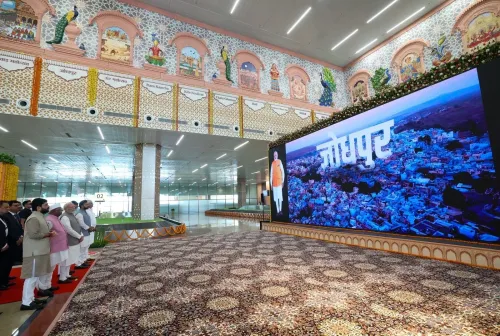
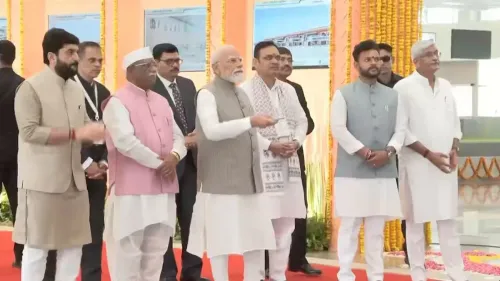
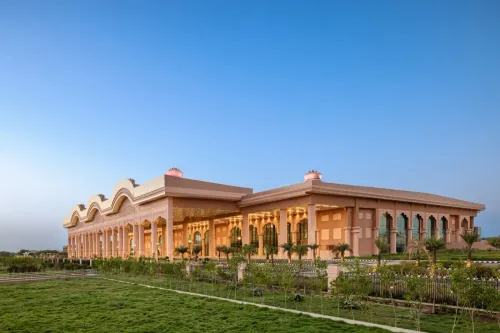
Union Coal and Mines Minister G. Kishan Reddy on Monday, July 6, 2026, praised the inauguration of a newly built terminal at Jodhpur Airport in Rajasthan, crediting Prime Minister Narendra Modi with steering India toward stronger infrastructure and self-reliance. The terminal, developed at a cost of ₹480 crore, was inaugurated by the Prime Minister on July 4.
Context
In his post, Kishan Reddy described the new terminal as a 'modern facility designed to offer a seamless travel experience,' expected to improve passenger services and provide 'a significant boost to tourism, trade, and economic growth across the region.' The minister framed the inauguration as part of India's broader march toward 'robust infrastructure, greater self-reliance, and inclusive development' under PM Modi's leadership.
Jodhpur Airport serves as a key gateway to western Rajasthan, connecting the state's heritage tourism belt — anchored by destinations such as Jodhpur, Jaisalmer, and Barmer — to the national air network. The airport also supports defence operations, making its modernisation strategically significant beyond civilian travel.
Policy Backdrop
The terminal upgrade sits within a long-running central push to modernise India's airport infrastructure. The National Civil Aviation Policy of 2016 set explicit targets for doubling airport capacity and drawing private investment into terminal development, while the UDAN regional connectivity scheme, launched the same year, subsidised routes to underserved airports and seeded demand at tier-2 and tier-3 cities.
Successive administrations have accelerated both greenfield airport projects and the renovation of existing facilities, aiming to raise India's standing in global air-connectivity rankings. Rajasthan's airports have been among the beneficiaries of this sustained capital push, given the state's outsized role in domestic and international tourism.
Stakeholders and Impact
The most immediate beneficiaries are air passengers transiting through Jodhpur, who can expect upgraded check-in halls, expanded boarding areas, and improved amenities. For the regional economy, better air access is expected to shorten supply chains for traders and make Rajasthan's heritage circuits more accessible to domestic and international visitors.
The hospitality and travel sectors in western Rajasthan — already among the state's largest employers — stand to gain from higher tourist inflows that improved connectivity typically catalyses. Small and medium enterprises dependent on timely cargo movement may also see indirect benefits as freight capacity at the airport grows alongside passenger volumes.
What's Next
Analysts and industry observers will watch whether the new terminal triggers fresh UDAN route awards to and from Jodhpur, which would further deepen connectivity with underserved cities. Hotel and hospitality investment announcements in the Jodhpur region in the coming months will serve as a practical indicator of whether the infrastructure upgrade is translating into on-ground economic activity.
With India's civil aviation sector continuing to post strong passenger-growth numbers, the performance of the new terminal — measured by traffic data in its first operational quarters — will be a benchmark for similar tier-2 airport upgrades planned across the country.
Point of View
Reinforcing the party's 'development delivery' narrative ahead of ongoing electoral cycles. The ₹480 crore Jodhpur terminal fits into a broader pattern of the Modi government using airport inaugurations as high-visibility symbols of its infrastructure agenda, particularly in states with strong tourism economies. For Rajasthan, improved air connectivity is not merely symbolic — the state's GDP is materially linked to heritage tourism, and tier-2 airport upgrades have historically correlated with measurable hospitality investment. The minister's framing of the project under the themes of 'self-reliance' and 'inclusive development' also signals an intent to connect aviation spending to the wider Atmanirbhar Bharat messaging.
NationPress
5 Oct 2026
Frequently Asked Questions
When was the new Jodhpur Airport terminal inaugurated?
The new terminal at Jodhpur Airport was inaugurated by Prime Minister Narendra Modi on July 4, 2026.
How much did the new Jodhpur Airport terminal cost?
The new terminal was developed at a cost of ₹480 crore, according to Union Minister G. Kishan Reddy's post.
What is the UDAN scheme and how does it relate to Jodhpur Airport?
UDAN (Ude Desh ka Aam Naagrik) is a regional connectivity scheme launched in 2016 to subsidise air routes to underserved airports. Jodhpur Airport has been part of this push to improve tier-2 city connectivity in Rajasthan.
How will the new Jodhpur Airport terminal benefit Rajasthan's economy?
The terminal is expected to improve passenger services, attract more tourists to Rajasthan's heritage destinations, and support traders by easing cargo and business travel, potentially spurring hotel and hospitality investment in the region.
What did G. Kishan Reddy say about the Jodhpur Airport inauguration?
Kishan Reddy described the terminal as a 'modern facility designed to offer a seamless travel experience' and said it would give 'a significant boost to tourism, trade, and economic growth' in the region, crediting PM Modi's leadership.