PM Modi inaugurates Ropuiliani Tribal Museum in Mizoram on Janjatiya Gaurav Divas
Synopsis
On Janjatiya Gaurav Divas, PM Modi virtually opened the Ropuiliani Tribal Freedom Fighters Museum in Mizoram — a ₹25.59 crore facility honouring a Mizo chieftainess who died in British captivity in 1895. It is one of 11 such museums being built across 10 states to restore tribal freedom fighters to their rightful place in India's independence story.
Key Takeaways
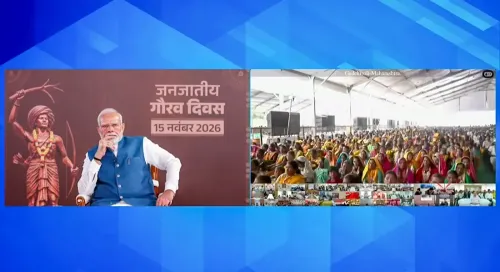
PM Narendra Modi virtually inaugurated the Ropuiliani Tribal Freedom Fighters Museum (RTFFM) in Kelsih, Mizoram on 15 November 2026 .
The museum is named after Ropuiliani , a Mizo chieftainess who died in British captivity in January 1895 at Rangamati in present-day Bangladesh .
The Union Ministry of Tribal Affairs funded the project with ₹25.59 crore .
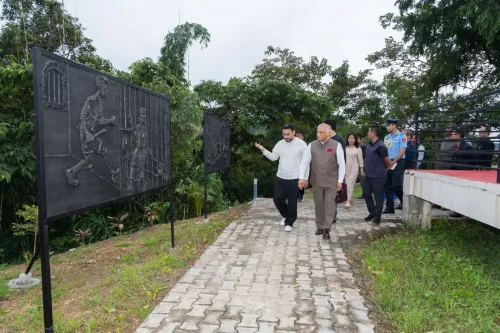
The complex includes a museum building, open-air theatre, traditional hut, heritage walk, Birsa Munda Tribal Pride Garden , cafeteria, and staff quarters.
It is part of a national drive to establish 11 tribal freedom fighter museums across 10 states ; a similar facility is coming up in Tamenglong, Manipur .
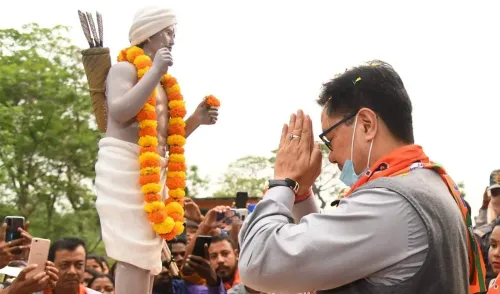
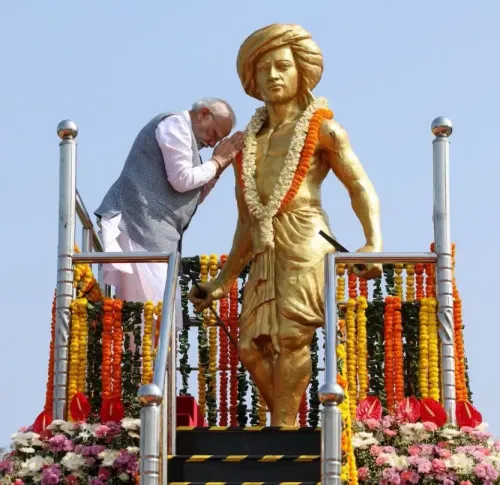
The inauguration coincided with the 151st birth anniversary of Bhagwan Birsa Munda , observed as Janjatiya Gaurav Divas .
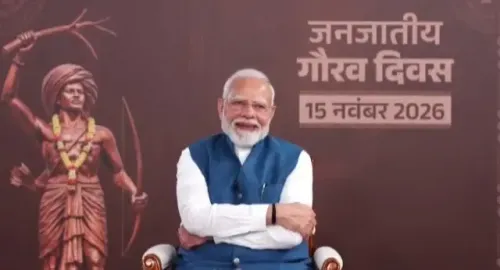
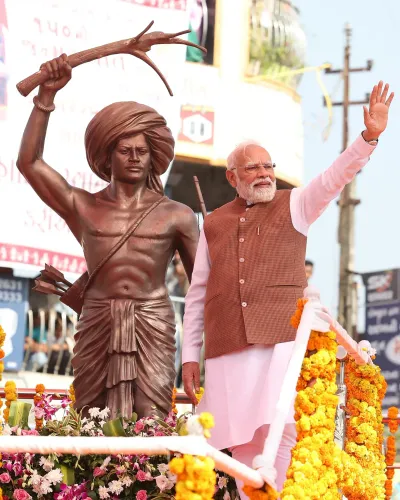
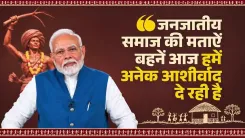
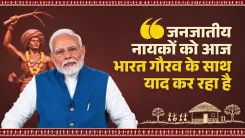
Prime Minister Narendra Modi on Sunday, 15 November 2026, virtually inaugurated the Ropuiliani Tribal Freedom Fighters Museum (RTFFM) at Kelsih in Mizoram, honouring a Mizo chieftainess who resisted British colonial rule more than a century ago. The inauguration coincided with Janjatiya Gaurav Divas, observed annually to mark the birth anniversary of legendary tribal freedom fighter Bhagwan Birsa Munda.
Who Was Ropuiliani
Ropuiliani was a Mizo chieftainess and one of the most prominent early tribal leaders to defy British rule in the erstwhile Lushai Hills, the region now known as Mizoram. She was arrested and imprisoned by the British colonial administration and subsequently transported to Rangamati in the Chittagong Hill Tracts (CHT), in present-day Bangladesh, where she died in captivity in January 1895. The museum is named in her honour, recognising her place among India's lesser-known but significant freedom fighters.
What the Museum Complex Offers
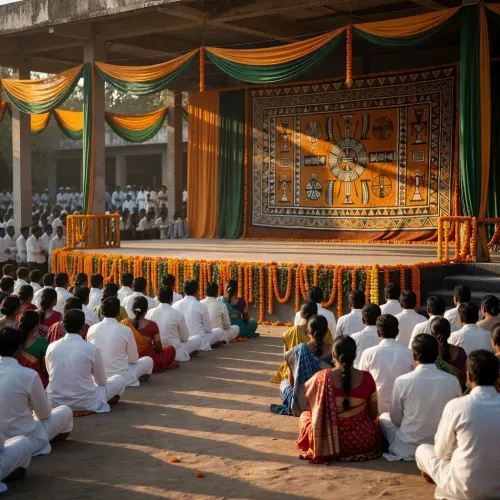
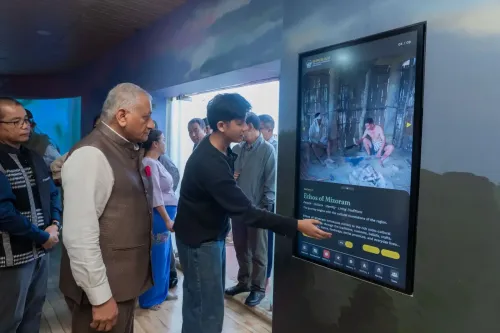
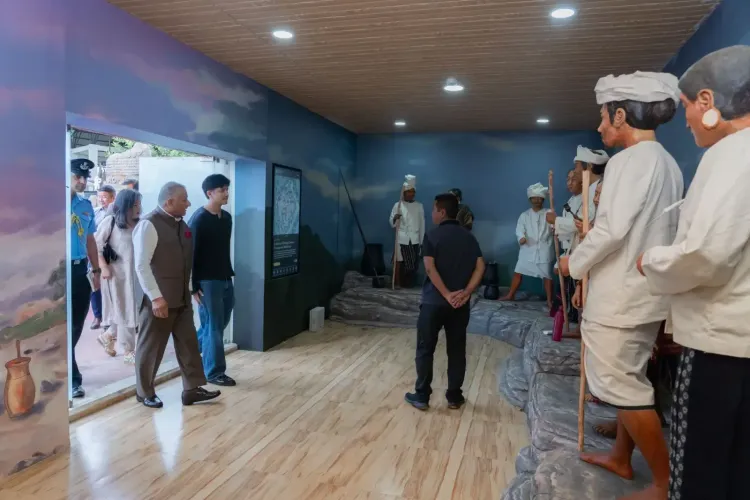
The RTFFM has been developed within the premises of the Tribal Research Institute in Kelsih, a rural village in the Aibawk block of Aizawl district that is also an emerging recreational destination. According to an official statement from the Mizoram government, the complex includes a museum building, an open-air theatre, a traditional hut, a heritage walk, the Birsa Munda Tribal Pride Garden, a cafeteria, and staff quarters, among other facilities. The Union Ministry of Tribal Affairs provided ₹25.59 crore to fund the project.
Governor's Inspection and Remarks
Mizoram Governor General (Dr.) Vijay Kumar Singh (Retd) visited the museum on 10 November to inspect preparations ahead of the inauguration. He described the museum as a significant tribute to the courage and contributions of Mizo freedom fighters to India's national freedom movement. The Governor also stressed the importance of developing the facility into a world-class institution capable of attracting visitors, researchers, and tourists from across the country and beyond.
Part of a Nationwide Tribal Heritage Network
The Kelsih museum is part of a broader national initiative: the Union Ministry of Tribal Affairs is establishing 11 such museums across 10 states to commemorate various tribal movements and uprisings against British rule and to preserve the rich cultural heritage and traditions of tribal communities. A similar Tribal Freedom Fighters Museum is also being developed in Tamenglong, Manipur. These institutions are intended to bring greater recognition to the pivotal, and often overlooked, role of tribal leaders in India's independence struggle.
Significance of Janjatiya Gaurav Divas
Janjatiya Gaurav Divas was observed this year to mark the 151st birth anniversary of Bhagwan Birsa Munda, the iconic Jharkhand-born tribal leader who led the Ulgulan uprising against British land appropriation in the late 19th century. Celebrated across the country, the occasion serves as a national platform for recognising tribal contributions to India's social and political history. The timing of the museum's inauguration on this day underscores the Centre's intent to mainstream tribal heritage into the broader national narrative.
With the network of tribal freedom fighter museums set to expand further, policymakers and heritage advocates will be watching whether these institutions translate into sustained research, educational outreach, and tourism investment for communities in India's tribal heartlands.
Point of View
But the harder question is whether these 11 museums across 10 states will become living research and educational hubs or remain undervisited monuments. India's tribal freedom fighters have long occupied the margins of mainstream history curricula, and brick-and-mortar infrastructure alone rarely changes that. The ₹25.59 crore outlay is modest relative to the ambition; sustained investment in curation, digital access, and academic partnerships will determine whether this initiative meaningfully rewrites the national narrative or stays a ceremonial gesture timed to electoral cycles.
NationPress
15 Nov 2026
Frequently Asked Questions
What is the Ropuiliani Tribal Freedom Fighters Museum in Mizoram?
The Ropuiliani Tribal Freedom Fighters Museum (RTFFM) is a heritage complex established at the Tribal Research Institute in Kelsih, Aizawl district, Mizoram, funded with ₹25.59 crore by the Union Ministry of Tribal Affairs. It honours Ropuiliani, a Mizo chieftainess who resisted British rule in the Lushai Hills and died in colonial captivity in January 1895. The complex includes a museum building, open-air theatre, traditional hut, heritage walk, and the Birsa Munda Tribal Pride Garden.
Why was the museum inaugurated on 15 November?
15 November is observed as Janjatiya Gaurav Divas to mark the birth anniversary of tribal freedom fighter Bhagwan Birsa Munda. This year marked the 151st birth anniversary of Birsa Munda, making it a nationally significant occasion for celebrating tribal heritage and contributions to India's independence movement.
Who was Ropuiliani and why is she significant?
Ropuiliani was a Mizo chieftainess and an early leader of tribal resistance against British colonial rule in the erstwhile Lushai Hills, now Mizoram. She was arrested by the British, transported to Rangamati in present-day Bangladesh, and died in captivity in January 1895. She is regarded as one of the prominent early figures who challenged colonial authority in northeastern India.
How many tribal freedom fighter museums is the government building?
The Union Ministry of Tribal Affairs is establishing 11 tribal freedom fighter museums across 10 states to commemorate various tribal uprisings and movements against British rule. A similar museum is also being developed in Tamenglong, Manipur, alongside the one inaugurated in Kelsih, Mizoram.
How much did the Ropuiliani Tribal Freedom Fighters Museum cost?
The museum was funded with ₹25.59 crore provided by the Union Ministry of Tribal Affairs, according to an official statement from the Mizoram government.