PM Modi: Tribals worst hit by Maoist violence, past govts silent spectators
Synopsis
On Janjatiya Gaurav Diwas, Modi declared the end of Naxalism a historic milestone for tribal India — and turned it into a sharp indictment of previous governments he said watched silently while Maoists stripped tribals of rights, votes, and lives. With 125 Maoist-hit districts now reportedly down to near-zero, the political and security message is unmistakable.
Key Takeaways
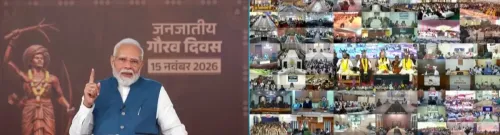
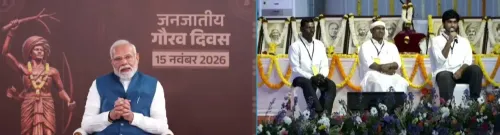
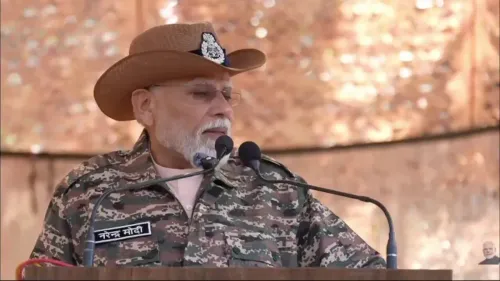
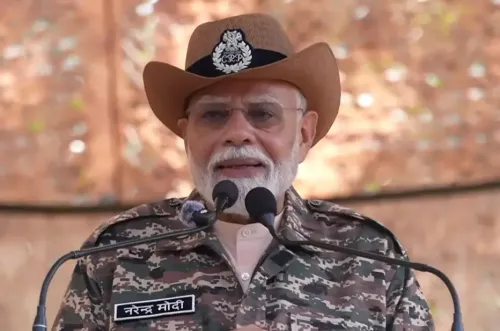
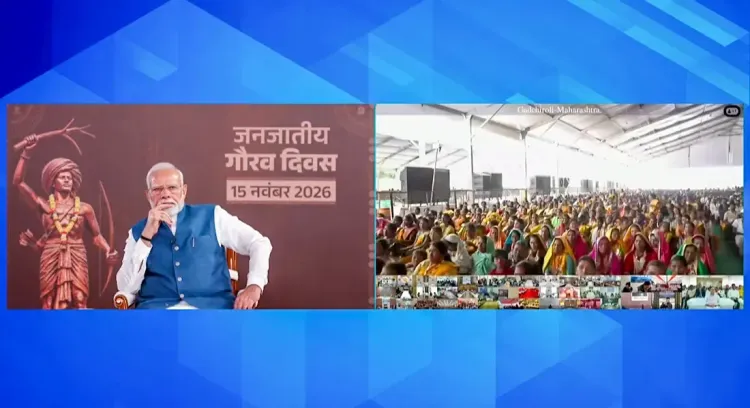
PM Modi addressed the Janjatiya Gaurav Diwas programme in Gadchiroli, Maharashtra on 15 November 2026 , virtually.
He accused previous governments of being 'mute spectators' as Maoists denied tribal citizens their rights and even their right to vote.
At the peak of Naxalism, nearly 125 districts were affected, with hundreds of violent incidents each year claiming thousands of lives, mostly tribals.
Modi cited a World Bank report showing nearly 50 crore Indians have exited extreme poverty over 12–13 years .
More than 100 Aspirational Districts and 500 Aspirational Blocks with large tribal populations have been brought under focused development programmes.
He paid tribute to Bhagwan Birsa Munda and expressed pride in President Droupadi Murmu as a daughter of the tribal community.
Prime Minister Narendra Modi on Sunday, 15 November launched a sharp attack on previous governments, accusing them of abandoning tribal communities while Maoists stripped away their rights and livelihoods. Speaking virtually at the Janjatiya Gaurav Diwas programme held in Gadchiroli, Maharashtra, Modi declared that the elimination of Naxalism stands as one of independent India's defining achievements.
Maoism's Toll on Tribal Communities
Modi underscored that it was the tribal belt — areas like Gadchiroli — that bore the heaviest cost of Maoist violence. At its peak in 2014, he noted, nearly 125 districts across the country were under the grip of Maoism, with hundreds of violent incidents recorded every year and thousands of lives lost, a disproportionate share of them tribal.
'There used to be hundreds of violent incidents every year. Thousands of innocent people, a large number of them were tribals, lost their lives. However, people affected by Naxalism-Maoism were abandoned by the then governments, their rights were snatched away, and everybody remained silent,' Modi said.
He further alleged that tribal citizens were denied even their basic democratic right to vote, while successive governments, in his words, remained 'mute spectators.' The Prime Minister said that children were separated from their mothers and daughters taken away, with no meaningful state response at the time.
Two Milestones Modi Cited
Modi framed the occasion around two achievements he described as deeply intertwined with tribal welfare. The first: a World Bank report released just weeks ago indicating that nearly 50 crore people in India have emerged from extreme poverty over the past 12–13 years. The second: what he characterised as the decisive end of Naxalism and freedom from Maoist terrorism.
'Both these achievements are deeply connected to the lives of our tribal brothers and sisters,' he stated. He called the poverty reduction figure one of India's 'greatest achievements since Independence' and credited central government schemes — including the PM-JANMAN scheme — with playing an important role in this transformation.
Aspirational Districts and Development Push
The Prime Minister highlighted that more than 100 Aspirational Districts and over 500 Aspirational Blocks — many with significant tribal populations — had been brought under a focused development campaign covering access to facilities and protection of citizens' rights. He said these regions, long left underdeveloped, were now experiencing tangible change.
Notably, this programme of targeted uplift in historically underserved tribal areas forms part of a broader administrative approach that the Centre has consistently flagged as a contrast to what it calls the neglect of previous administrations.
Pride in President Murmu and Birsa Munda Legacy
Modi also invoked the symbolic weight of tribal representation at the highest constitutional office, saying: 'The country is also being led by a daughter of the tribal community. We are all proud of President Droupadi Murmu.'
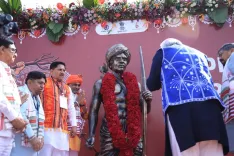
He concluded his address by drawing inspiration from freedom fighter Bhagwan Birsa Munda, calling on citizens to channel his legacy towards realising the vision of a Viksit Bharat (Developed India). The event marks the birth anniversary of Birsa Munda, which is observed nationally as Janjatiya Gaurav Diwas.
With Maoist-affected districts now reportedly numbering in single digits compared to 125 a decade ago, the government is likely to press this narrative further in the run-up to state and national electoral cycles.
Point of View
And associating the BJP with both their protection and poverty alleviation is a durable electoral asset. What the speech does not address is the long-standing demand from civil society and some tribal rights groups for more robust land and forest rights for these same communities. The end of armed Maoism is a genuine achievement, but whether it has translated into substantive economic and legal empowerment for tribals — rather than just the removal of a violent threat — remains a more complicated question that the government has yet to answer in full.
NationPress
15 Nov 2026
Frequently Asked Questions
What is Janjatiya Gaurav Diwas and why is it significant?
Janjatiya Gaurav Diwas is observed on 15 November each year to mark the birth anniversary of tribal freedom fighter Bhagwan Birsa Munda. It was instituted by the central government to honour the contributions of tribal communities to India's history and freedom struggle.
What did PM Modi say about Maoist violence against tribal communities?
Modi said tribal communities were the worst affected by Maoist violence, with nearly 125 districts under Naxal influence in 2014 and hundreds of violent incidents occurring every year. He accused previous governments of remaining 'mute spectators' while tribals were denied rights and even the right to vote.
What is the World Bank report Modi cited about poverty reduction?
A World Bank report released in the weeks preceding the event stated that nearly 50 crore people in India have emerged from extreme poverty over the past 12–13 years. Modi described this as one of India's greatest achievements since Independence.
What is the PM-JANMAN scheme Modi referred to?
The PM-JANMAN scheme is a central government initiative aimed at improving the lives of particularly vulnerable tribal groups (PVTGs). Modi cited it as one of the programmes transforming tribal communities alongside the broader Aspirational Districts initiative covering more than 100 districts and 500 blocks.
How has the Naxal situation changed since 2014 according to the government?
According to Modi's address, Maoist influence has been dramatically rolled back from a peak of nearly 125 affected districts in 2014. The government has described this as the effective elimination of Naxalism, though independent assessments of residual presence in some areas vary.