PM Modi slams previous govts for treating Naxalism as 'incurable disease' in Bastar address
Synopsis
Addressing security forces in Naxal heartland Bastar on Diwali, PM Modi accused previous governments of treating Naxalism as an 'incurable disease' — letting 230 districts burn and over 1,000 Chhattisgarh jawans die without decisive action. The speech drew a sharp political line: before 2014, fatalism; after, political will.
Key Takeaways
PM Modi addressed security personnel in Bastar, Chhattisgarh on Diwali, 8 November 2026 , slamming previous governments over their response to Naxalism.
At its peak, Naxalism affected nearly 230 districts across around 20 states , with up to 2,000 Maoist attacks recorded in a single year .
The 2010 Dantewada attacks killed 76 CRPF personnel in one encounter and 44 civilians in a separate attack the same year.
Over 1,000 security personnel were martyred in Chhattisgarh alone ; from 2004 to 2013 , annual jawan casualties exceeded Naxalite fatalities every year.
Modi accused prior governments of treating Naxalism as an 'incurable disease' and abandoning tribal communities and security forces to their fate.
The Prime Minister credited a decisive shift in strategy and political will post- 2014 for the improvement in the security situation.
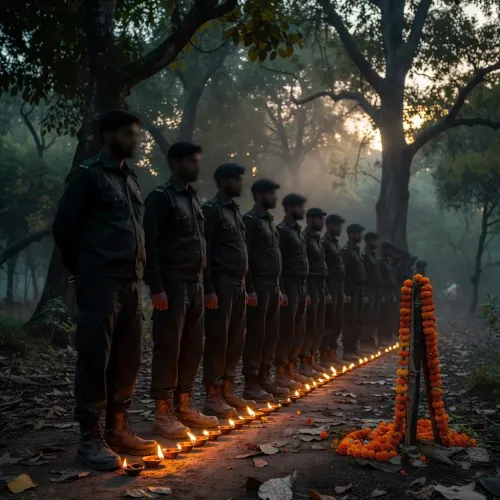
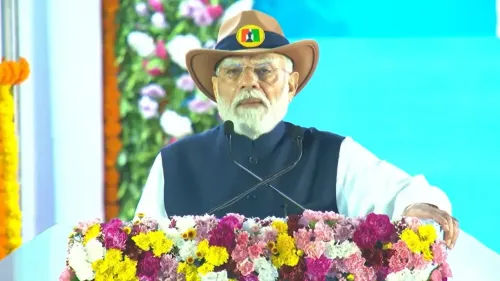
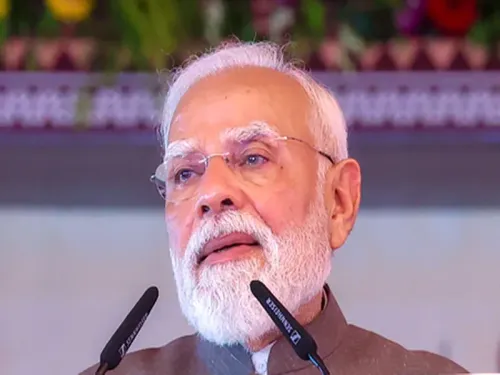
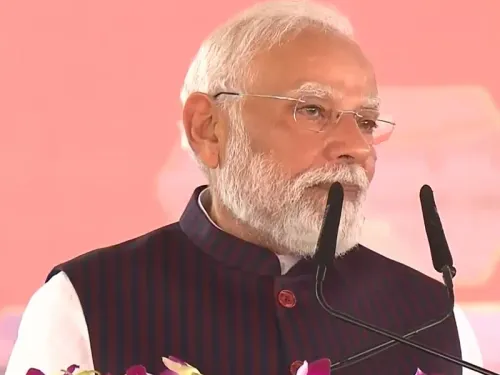
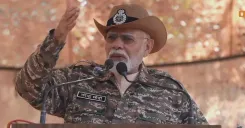
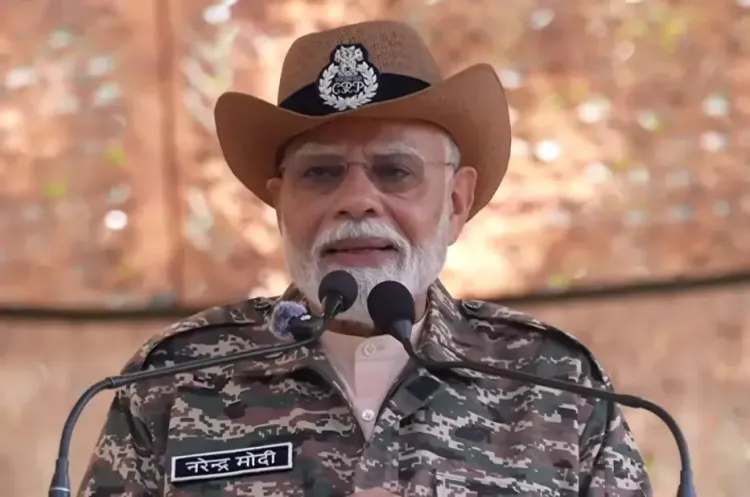
Prime Minister Narendra Modi on Sunday, 8 November 2026, launched a sharp attack on previous governments over their handling of Left-Wing Extremism (LWE), accusing them of treating Naxalism as an unsolvable problem while security personnel and tribal communities bore the brunt of relentless violence. Speaking to security forces in Chhattisgarh's Bastar on the occasion of Diwali, Modi recalled a period when nearly 230 districts across around 20 states were gripped by Maoist terror.
Scale of the Crisis Under Previous Governments
Modi painted a stark picture of the LWE-affected era, describing how daily life in Naxal zones had effectively ceased after sunset. 'Life would come to a standstill after sunset, and stepping out of homes became nearly impossible. People were stripped of their voting rights,' he said, naming Bihar, Maharashtra, Odisha, Uttar Pradesh, Madhya Pradesh, and Chhattisgarh as states that bore the heaviest burden.
He cited figures indicating that the country witnessed as many as 2,000 Maoist attacks in a single year at the peak of the insurgency — a scale of violence he described as a persistent challenge spanning several decades.
Dantewada Attacks and the Human Cost
Modi specifically recalled the 2010 Dantewada attacks, among the deadliest episodes of Maoist violence in recent Indian history. He noted that 76 CRPF personnel were martyred in an encounter with Naxalites in the Dantewada region, while a separate attack in the same district that year killed 44 civilians.
'This land was soaked in the blood of our bravehearts. However, not a single tear fell from the eyes of any of the high-born residents of the palaces,' he said, in a pointed criticism of the then political leadership's response to the carnage.
Broadening the indictment, the Prime Minister stated that in Chhattisgarh alone, over 1,000 security personnel were martyred over the years. He added that data from 2004 to 2013 showed that every year, the number of security force personnel killed exceeded the number of Naxalites neutralised — a statistic he said the Naxal leadership openly celebrated.
Modi's Charge Against the Previous Leadership
The Prime Minister was unsparing in his condemnation of the approach taken before 2014, alleging a fundamental failure of political will. 'Unfortunately, the governments of that time treated Naxalism as an incurable disease and left it unaddressed. My tribal families were left to their fate, and it was accepted that this state of affairs would simply continue — bullets will be fired, soldiers will die, and civilians will be beaten,' he said.
He argued that no nation could afford to passively accept ongoing violence from internal enemies, framing the absence of decisive action as a governance failure that compounded the suffering of affected communities for decades.
Post-2014 Shift and Current Strategy
Modi attributed the turnaround in the anti-Naxal campaign to a strengthening of political will after 2014, contending that a clear and carefully devised strategy replaced what he characterised as fatalistic acceptance. 'For the nation to move forward, its enemies must be crushed — with unwavering resolve and a well-devised strategy. The political will that was lacking in our nation to do this was strengthened in 2014,' he said.
Referring to himself as 'Pradhan Sevak', Modi said, 'You gave this Pradhan Sevak an opportunity to serve Maa Bharati, and everyone witnessed how the situation began to change after 2014.' The address in Bastar — historically one of the most Naxal-affected regions in the country — served as a symbolic backdrop for the message, underscoring the government's claim of progress in rolling back LWE influence. How the remaining Naxal pockets respond to sustained security pressure will be watched closely in the months ahead.
Point of View
Deployed here with added potency because Bastar itself is the symbolic ground zero of LWE. What the speech does not address is the specifics of what changed operationally: troop numbers, intelligence architecture, development expenditure in former red zones, or how many districts have genuinely exited the LWE map on verifiable criteria. The 2010 Dantewada reference is powerful precisely because it is undeniable — but citing atrocities of that era as the benchmark risks obscuring the gaps that persist in the remaining Naxal-active pockets. The real accountability question is not whether things improved after 2014, but whether the remaining LWE districts will see the same trajectory, and on what timeline.
NationPress
8 Nov 2026
Frequently Asked Questions
What did PM Modi say about Naxalism at the Bastar Diwali event?
PM Modi accused previous governments of treating Naxalism as an 'incurable disease' and failing to act decisively, leaving tribal communities and security personnel to suffer. He recalled that nearly 230 districts across around 20 states were once gripped by Left-Wing Extremism, with up to 2,000 Maoist attacks recorded in a single year.
What were the 2010 Dantewada attacks that Modi referenced?
The 2010 Dantewada attacks were among the deadliest episodes of Maoist violence in India. Modi recalled that 76 CRPF personnel were martyred in one encounter with Naxalites in the Dantewada region, while a separate attack in the same district that year killed 44 civilians.
How many security personnel were killed fighting Naxalism in Chhattisgarh?
According to PM Modi's address, over 1,000 security personnel were martyred in Chhattisgarh alone. He further noted that from 2004 to 2013, the annual number of security force personnel killed exceeded the number of Naxalites neutralised every single year.
What change does Modi credit post-2014 for improving the anti-Naxal situation?
Modi attributed the improvement to a strengthening of political will and a carefully devised strategy after 2014, contrasting it with what he described as the passive acceptance of violence by previous governments. He said the decisive shift came when his government prioritised eliminating threats to national security.
Why did Modi address security forces in Bastar on Diwali?
Modi visited Bastar — historically one of India's most Naxal-affected regions — to celebrate Diwali with security personnel deployed there. The choice of venue was symbolic, underscoring the government's claim of progress in rolling back Left-Wing Extremism from its heartland.