CM Rekha Gupta Hails Modi's Free Digital Coaching Pledge
Synopsis
PM Modi announced free digital coaching for all Indian students from the Red Fort on the 80th Independence Day. Delhi CM Rekha Gupta hailed the move as a major boost for middle-class families whose hopes rest on their children's education.
Key Takeaways
PM Narendra Modi announced free digital coaching for every student in India from the Red Fort on 15 August 2026 , the country's 80th Independence Day .
Delhi CM Rekha Gupta endorsed the announcement as a 'big support' for middle-class families and their children's educational aspirations.
The pledge builds on existing infrastructure including the DIKSHA platform (launched 2017 ) and the goals of the National Education Policy 2020 .
India's private coaching industry is concentrated in cities like Kota , Delhi , and Hyderabad , leaving students in smaller towns at a disadvantage that a free digital alternative could address.
Operational details — platform, curriculum, budget, and timeline — are yet to be officially announced and will likely follow in government notifications or the next budget session.
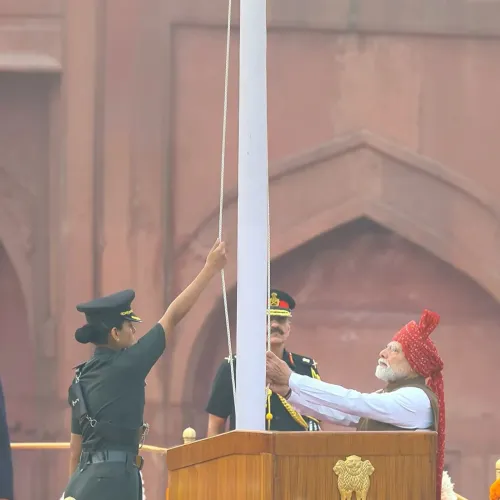
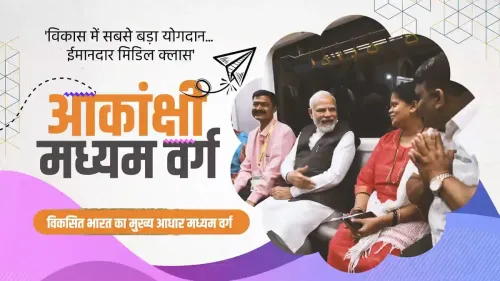
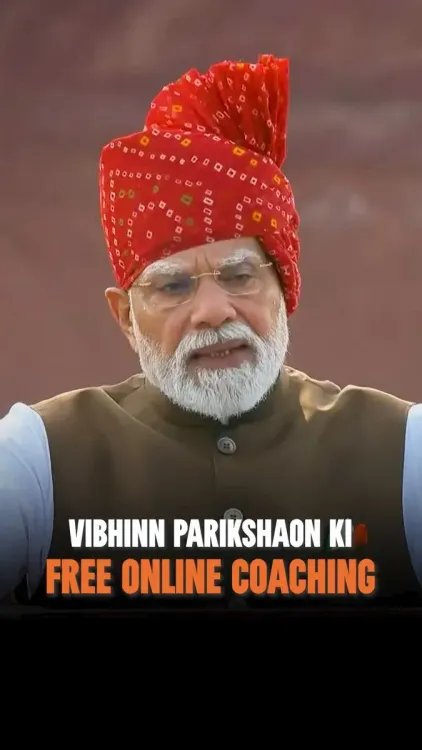
From the ramparts of the Red Fort on Independence Day, 15 August 2026, Prime Minister Narendra Modi announced that free digital coaching will now reach every student in India — a declaration that Delhi Chief Minister Rekha Gupta swiftly called a 'big support' for the country's middle-class families and their children.
Gupta, posting in Hindi, framed the announcement in deeply human terms: 'Bachon ki padhai mein mata-pita ki ummeeden, varshon ki mehnat aur poore parivaar ke sapne jude hote hain' — 'A child's education carries a parent's hopes, years of hard work, and the dreams of an entire family.' Quality guidance, she said, will now travel to every corner of the country through modern technology, giving 'crores of young people a new opportunity to advance their talent.'
Modi's Red Fort Pledge and What It Promises
The Prime Minister's 80th Independence Day address from the Red Fort has long served as the government's highest-visibility platform for announcing flagship schemes. This year's digital coaching pledge targets one of the sharpest pain points for middle-income households: the steep cost of private coaching for competitive examinations, from engineering and medical entrances to civil services. The announcement positions free, technology-delivered instruction as the state's answer to an industry that charges fees many families cannot afford.
The government has laid groundwork for such an expansion over the past decade. The DIKSHA platform, launched in 2017 by the Ministry of Education, already delivers digital textbooks and teacher-training content nationwide. The National Education Policy 2020 explicitly called for technology-enabled learning and equitable access to quality resources — making this announcement a logical, if ambitious, next step in that arc.
Middle-Class Families at the Centre of the Pitch
Gupta's framing is politically deliberate: she speaks not for students in the abstract, but for the anxious middle-class household — the family that saves for years, sacrifices holidays, and pins generational ambition on a child's exam result. Her post closes with an expression of gratitude to PM Modi on behalf of Delhi's youth and their families, cementing the BJP's positioning of the scheme as a direct relief measure for that demographic.
India's competitive-exam coaching sector has grown into a multi-billion-rupee industry concentrated in a handful of cities — Kota, Delhi, Hyderabad — leaving students in smaller towns and rural districts at a structural disadvantage. A credible free digital alternative, if delivered at scale, could meaningfully shift that geography of opportunity.
Details Still to Come
The scheme's operational specifics — platform partnerships, curriculum scope, budget allocation, and rollout timeline — have not yet been officially detailed. Those answers will likely emerge in subsequent government notifications or the next budget session. What is clear is the political and symbolic weight the BJP has placed on the announcement: tying it to the 80th Independence Day signals that free digital education is meant to be read as a generational commitment, not a pilot project.
For millions of families watching the Red Fort address, the question now shifts from whether the government will act to how fast, and how well, it delivers.
Point of View
And tying free digital coaching to the 80th anniversary signals an intent to own the education-equity narrative heading into the electoral cycle. Rekha Gupta's response — centred on the emotional weight carried by middle-class families — reflects the party's deliberate effort to consolidate that demographic, which has grown increasingly vocal about the cost of quality education. The announcement also fits a decade-long pattern of layering new digital-education schemes onto existing infrastructure like DIKSHA, raising the recurring question of whether new political commitments translate into sustained implementation. The real test will be whether funding and platform partnerships materialise before the next budget, or whether the pledge remains aspirational.
NationPress
29 Sept 2026
Frequently Asked Questions
What did PM Modi announce on Independence Day 2026 about education?
PM Narendra Modi announced from the Red Fort on 15 August 2026 that free digital coaching will be made available to every student in India, targeting the high cost of private coaching for competitive examinations.
What did Delhi CM Rekha Gupta say about the free digital coaching announcement?
Delhi CM Rekha Gupta welcomed the announcement, calling it a 'big support' for middle-class families and saying quality guidance will now reach every corner of India through modern technology, giving crores of youth a new opportunity.
Which existing government platforms support digital education in India?
The DIKSHA platform , launched in 2017 by the Ministry of Education, provides digital textbooks and teacher training. The National Education Policy 2020 also set a framework for technology-enabled, equitable learning.
Who benefits most from the free digital coaching scheme?
The scheme is primarily aimed at middle-class students and competitive exam aspirants who currently cannot afford private coaching concentrated in cities like Kota , Delhi , and Hyderabad .
When will the free digital coaching scheme be rolled out?
Operational details including the platform, curriculum, budget, and timeline have not yet been officially announced. Further specifics are expected in subsequent government notifications or the next budget session.