PM Modi to GSMA Board: DPI, AI Safety, and Affordable Access
Synopsis
PM Modi met the GSMA Board on 6 October 2026, pressing six digital priorities: last-mile tech, Global South affordability, DPI as a force multiplier, cyber-fraud solutions, global AI standards, and mandatory identification of deepfake content.
Key Takeaways
PM Modi met the GSMA Board on 6 October 2026 and outlined six digital governance priorities.
He called for technology that serves the last mile and affordable connectivity for the Global South .
Modi pushed Digital Public Infrastructure (DPI) as a 'force multiplier' — building on India's UPI, Aadhaar, and DigiLocker model.
He demanded technology-led solutions to cyber fraud and global standards for emerging tech .
A notable ask: clear identification of AI-generated and deepfake content — aligning India with international momentum on synthetic-media disclosure.
The GSMA represents roughly 750 mobile operators across 220+ countries , making the engagement a significant platform for Indian digital diplomacy.
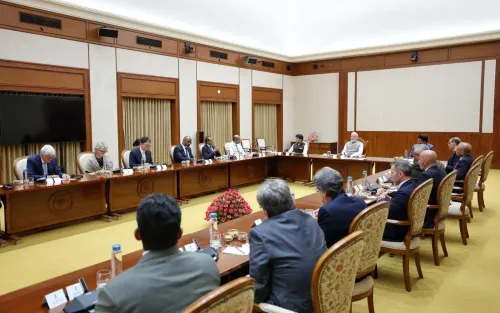
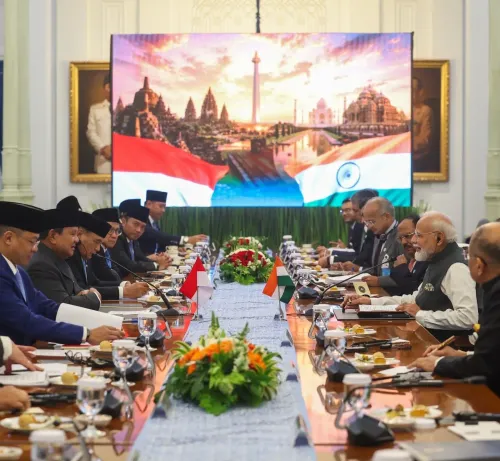
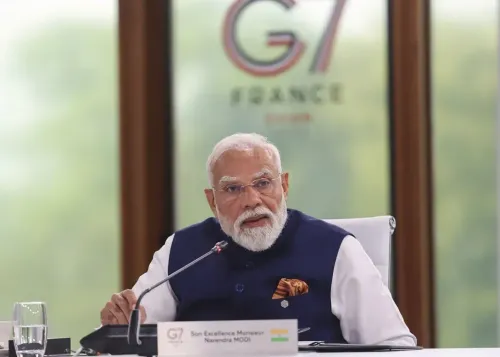
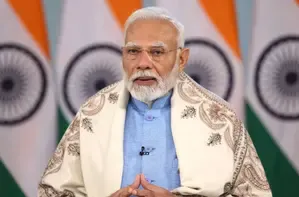
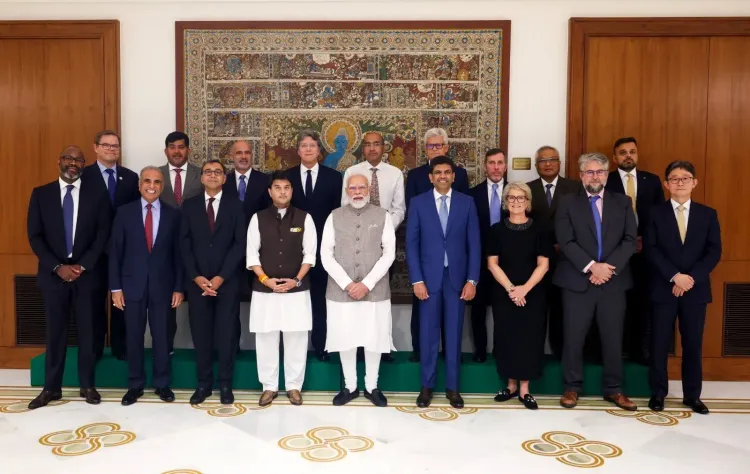
Six priorities, one room, and a message that went well beyond trade talk. Prime Minister Narendra Modi met with the board of the GSMA — the global body representing mobile network operators — on Tuesday, 6 October 2026, and laid out India's vision for the next chapter of global digital governance.
Six demands Modi put on the table
The Prime Minister's agenda was precise and pointed. He pressed for technology that reaches 'the last mile' — a phrase that signals the rural and remote populations still locked out of digital infrastructure. Alongside it, he called for affordable access for the Global South, framing connectivity not as a luxury but as foundational equity for developing nations.
Two items on the list carried sharper urgency. Modi advocated for Digital Public Infrastructure (DPI) as a 'force multiplier' — a direct callback to India's own UPI, Aadhaar, and DigiLocker stack, which New Delhi has championed internationally as a replicable model. He also called for technology-led solutions to cyber fraud, a problem that costs consumers and governments billions annually and is rapidly outpacing regulatory responses.
The AI and deepfake imperative
Perhaps the sharpest edges of Modi's pitch were reserved for emerging technology. He stressed the need for global standards for emerging tech and — notably — the clear identification of AI-generated and deepfake content. The call for mandatory disclosure or watermarking of synthetic media is gaining traction in international forums, and India is now explicitly pushing it at the telecom-governance level.
His closing formulation — 'Our digital future must expand opportunity while strengthening trust' — set the dual test against which he urged global standards to be measured: inclusion on one axis, security on the other.
Why the GSMA engagement matters
The GSMA represents roughly 750 mobile operators across more than 220 countries and territories, making its board one of the most consequential rooms in global telecom policy. India, now the world's second-largest smartphone market, carries significant weight in that conversation. By pushing DPI and deepfake standards through a body that sets technical norms for mobile networks, Modi is attempting to convert India's domestic digital scale into global rule-making influence — a consistent strategic thread in New Delhi's technology diplomacy.
The encounter signals India's intent to be a standard-setter, not merely a standard-taker, as 5G and AI reshape the connectivity landscape across the Global South.
Point of View
The government threads an unlikely needle: positioning India as both a voice for the developing world and a credible co-architect of high-tech governance. The deepfake identification ask is the most legally consequential item on the list, as it touches platform liability, election integrity, and cross-border enforcement in one stroke. If GSMA moves on even two of these six priorities, India will have punched well above its regulatory weight in global telecom diplomacy.
NationPress
6 Oct 2026
Frequently Asked Questions
What did PM Modi discuss with the GSMA Board?
PM Modi met the GSMA Board on 6 October 2026 and stressed six priorities: last-mile technology access, affordable connectivity for the Global South, Digital Public Infrastructure as a force multiplier, tech-led solutions to cyber fraud, global standards for emerging technology, and clear identification of AI-generated and deepfake content.
What is the GSMA and why does it matter?
The GSMA is the global body representing around 750 mobile network operators across more than 220 countries and territories. Its board sets influential technical and policy norms for the mobile industry worldwide.
What is Digital Public Infrastructure (DPI) and why is India promoting it?
Digital Public Infrastructure refers to open, interoperable digital systems — India's examples include UPI (payments), Aadhaar (identity), and DigiLocker (documents). India promotes DPI internationally as a cost-effective, scalable model other developing nations can adopt.
Why is Modi pushing for identification of deepfake and AI-generated content?
Synthetic media — AI-generated images, audio, and video — poses risks to public trust, election integrity, and financial security. Modi's call for mandatory identification or watermarking of such content aligns India with a growing global push for disclosure standards in emerging-tech governance.
What does 'affordable access for the Global South' mean in this context?
It refers to ensuring that developing and lower-income nations in Africa, Asia, and Latin America can access mobile connectivity and digital services at prices their populations can afford — a key equity goal in international telecom policy.