India's 5G adoption, DPI deployment to shape next connectivity era: GSMA Chair
Synopsis
With 450 million 5G connections already active and a $6 trillion global mobile economy in 2025, the GSMA Board's New Delhi meeting put India at the centre of the next connectivity era. The challenge now is translating raw scale into inclusive, economy-wide value — and fighting back a growing wave of digital scams.
Key Takeaways
GSMA Chair Gopal Vittal highlighted India's 5G adoption and DPI deployment as a global model for inclusive growth.
India has 1.2 billion active mobile connections , of which 450 million are 5G .
Mobile technologies generated $6 trillion in global economic value in 2025 (6.4% of global GDP), projected to reach $11.3 trillion by 2030 .
By 2030 , 57% of all mobile connections globally are expected to run on 5G; operators to invest $1.2 trillion in capex from 2025–2030.
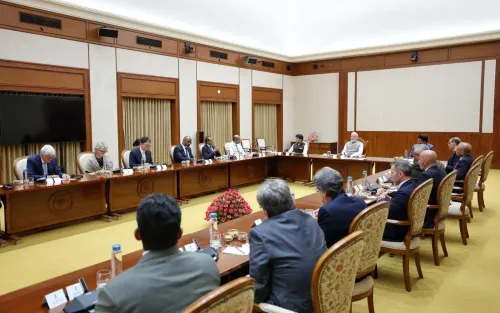
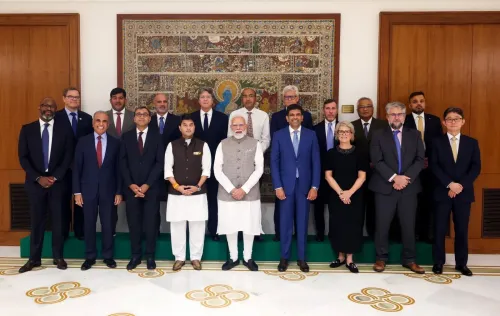
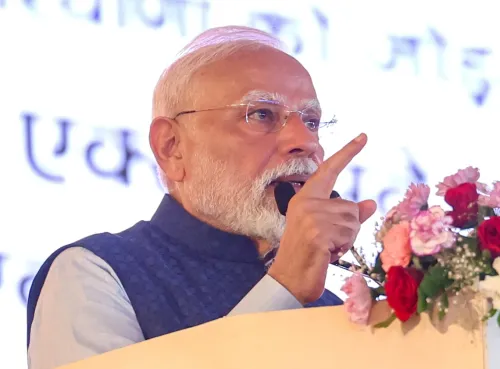
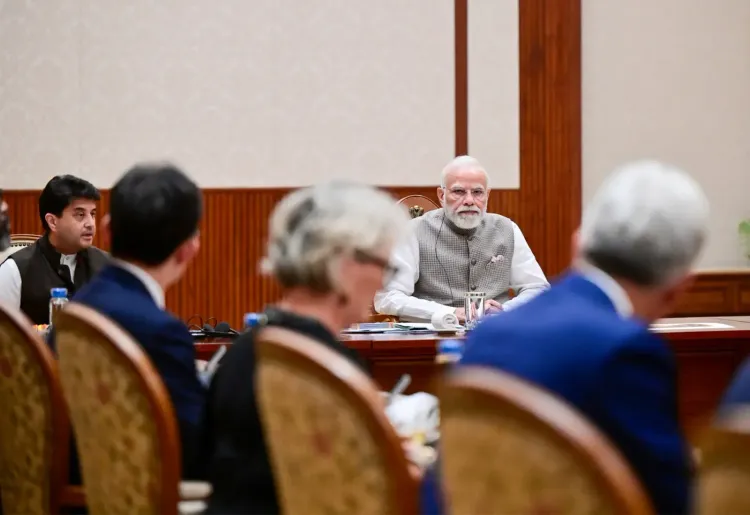
The GSMA Board met in New Delhi and also met Prime Minister Narendra Modi .
The GSMA's 'United Against Scams' programme has been identified as a shared industry priority.
GSMA Chair Gopal Vittal on Wednesday said India's rapid 5G adoption and deployment of digital public infrastructure (DPI) demonstrate how scale, talent, and ambition can drive inclusive growth and help define the next era of global connectivity. Vittal's remarks came as the GSMA Board concluded a meeting in New Delhi last week, where it set out priorities for the connectivity landscape ahead.
India's Scale on the Global Stage
India now counts 1.2 billion active mobile connections, of which 450 million are 5G, underpinning the country's expanding digital economy. The GSMA Board also met with senior government and industry leaders during its New Delhi visit, including Prime Minister Narendra Modi, according to a statement from the organisation.
'India today is a leader in mobile connectivity... underpinning India's growing digital economy,' the statement noted. GSMA Director General Vivek Badrinath added that India 'provides a concrete example of the benefits that come when policy reform enables greater industry investment in mobile infrastructure.'
The Global 5G and Economic Outlook
Globally, mobile technologies and services generated $6 trillion in economic value in 2025, equivalent to 6.4 per cent of global GDP. That contribution is projected to reach $11.3 trillion by 2030. By the same year, 57 per cent of all mobile connections worldwide are expected to run on 5G networks, with operators projected to invest $1.2 trillion in capital expenditure between 2025 and 2030 as they expand and upgrade infrastructure.
Discussions at the Board meeting focused on how sustainable market structures can support investment in new technologies, and how advanced capabilities such as network slicing can create broader economic value. This comes amid accelerating 5G rollouts across multiple markets, with India frequently cited as a benchmark for deployment speed.
Translating Connectivity Into Inclusive Value
Vittal emphasised that the next challenge is converting rapid 5G expansion into meaningful, widely shared benefits. 'By working through global standards and collaborating across markets, we can accelerate innovation, strengthen trust and resilience, and ensure the benefits of connectivity are realised worldwide,' he said. Achieving this, according to the GSMA, will require sustained investment, enabling policy environments, and collaboration across the broader technology ecosystem.
Tackling the Global Scam Threat
The Board also addressed the growing international threat of digital scams, making scam prevention a shared industry priority through the GSMA's 'United Against Scams' programme. Officials indicated this initiative will be a key focus area as mobile connectivity deepens and more users — including first-time internet adopters — come online in emerging markets.
With India's 5G footprint expanding and the GSMA setting a clear global investment agenda through 2030, the policy and regulatory choices made in the next few years will determine how equitably the gains of the connectivity era are distributed.
Point of View
But the GSMA's real message in New Delhi is about leverage — using India's deployment speed as a template to push global standards and investment frameworks. The harder test is whether India's DPI model, built on public infrastructure logic, can survive contact with market-led 5G economics where operators are betting $1.2 trillion on premium use cases like network slicing. Inclusive connectivity and high-return infrastructure investment are not always the same goal. The 'United Against Scams' priority is also a signal that as mobile penetration deepens in emerging markets, digital trust — not just coverage — is becoming the new policy battleground.
NationPress
14 Oct 2026
Frequently Asked Questions
What did GSMA Chair Gopal Vittal say about India's 5G progress?
Gopal Vittal said India's rapid 5G adoption and digital public infrastructure deployment show how scale, talent, and ambition can drive inclusive growth and help shape the next era of global connectivity. He made the remarks following the GSMA Board's meeting in New Delhi.
How many 5G connections does India have?
India has 450 million 5G connections out of a total of 1.2 billion active mobile connections, according to the GSMA statement. This makes India one of the largest 5G markets in the world.
What is the projected economic value of global mobile technologies by 2030?
Global mobile technologies and services are projected to generate $11.3 trillion in economic value by 2030, up from $6 trillion in 2025, which represented 6.4 per cent of global GDP. Operators are expected to invest $1.2 trillion in capital expenditure between 2025 and 2030.
What is the GSMA's 'United Against Scams' programme?
'United Against Scams' is a GSMA initiative that makes scam prevention a shared priority across the global mobile industry. The GSMA Board identified growing digital scam threats as a key challenge as connectivity deepens worldwide.
Why did the GSMA Board meet in New Delhi?
The GSMA Board met in New Delhi to set priorities for the next era of connectivity, with India's 5G deployment and DPI model serving as a focal point. During the visit, Board members also met Prime Minister Narendra Modi and other government and industry leaders.