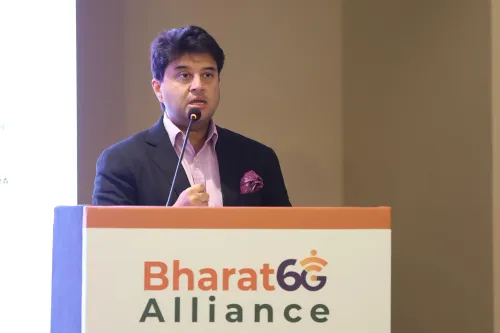
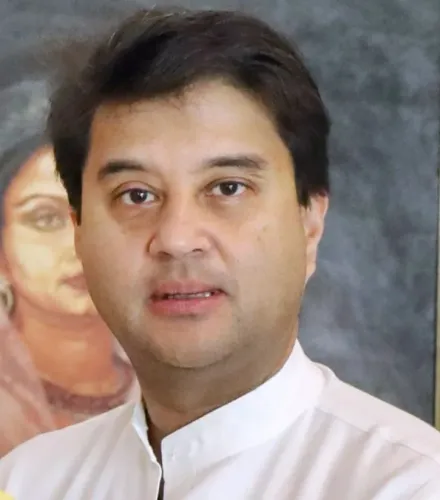
India's 5G users to hit 100 crore by 2030; Scindia eyes global 6G lead
Synopsis
India's 5G base already covers 50 crore people — equivalent to Europe's population — and is set to double to 100 crore by 2030. But the bigger bet is 6G: India is now inside the rooms where global standards are written, through the ITU and 3GPP, aiming to be a rule-maker rather than a rule-taker in the next era of telecommunications.
Key Takeaways
Jyotiraditya Scindia announced on 29 July that India will connect 100 crore people to 5G by 2030 .
5G already covers nearly 50 crore people — comparable to the entire population of Europe.
Mobile data prices have fallen 97% over the past decade, from ₹287 per GB to around ₹8 per GB .
India is participating in ITU and 3GPP standard-setting processes to shape the global 6G framework.
The Bharat 6G Alliance is India's vehicle for contributing intellectual property to next-generation telecom standards before they are finalised.
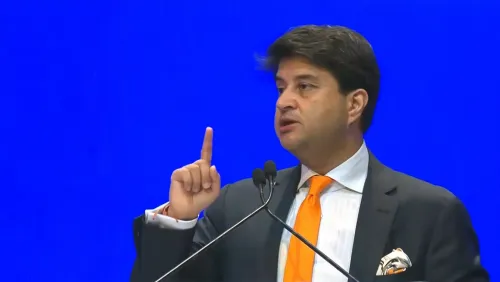
India is on course to bring 100 crore people onto 5G networks by 2030, Union Communications Minister Jyotiraditya Scindia said on Tuesday, 29 July, as the country accelerates its digital transformation and positions itself as a frontrunner in the global race for 6G technology. The announcement underscores India's ambition to shift from being a technology consumer to a technology standard-setter on the world stage.
Where India Stands on 5G Today
5G services have already reached nearly 50 crore people across the country, Scindia noted — a figure he described as equivalent to the entire population of Europe. The next phase of rollout is expected to double that number within the next few years, pushing total 5G coverage to 100 crore users by the end of the decade.
The minister also highlighted a dramatic shift in affordability: mobile internet rates in India have fallen by 97 per cent over the past decade, with data prices dropping from ₹287 per GB to approximately ₹8 per GB. Mobile phones are now in the hands of 1.33 billion people, he said, calling it a fundamental democratisation of connectivity.
What Scindia Said
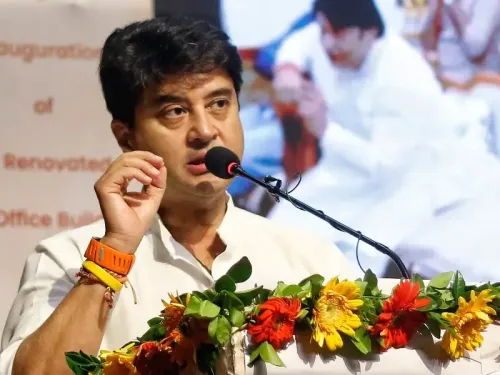
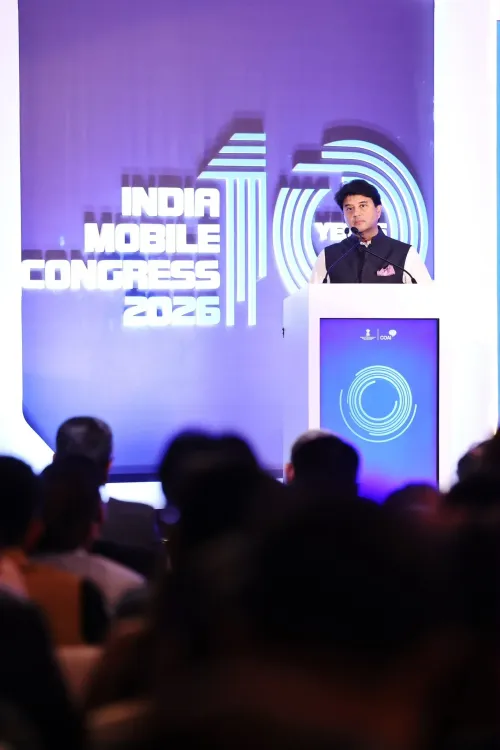
'When technology reaches every citizen, it creates opportunity, and when opportunity reaches every citizen, transformation becomes inevitable,' Scindia said at the event. 'As we lay the foundation stone of the next chapter, we must examine how innovations, technology and ideas from India can cross borders and go across the world.'
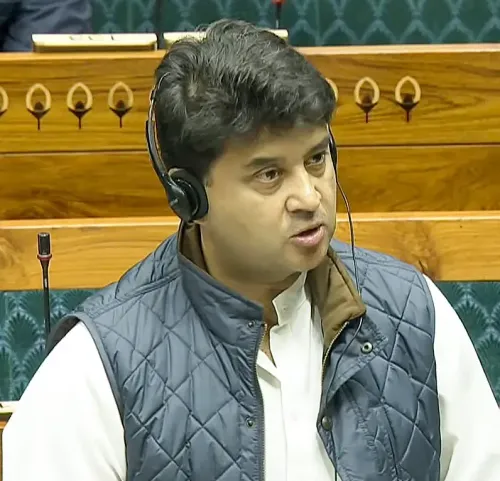
On 6G, he was unequivocal: 'With 6G, I firmly believe we will combine the physical, the digital and intelligence into one seamless ecosystem. Through the Bharat 6G Alliance and our work on global standards, India is preparing to contribute at a level that was never possible before.'
India's Push on Global 6G Standards
India is actively participating in the global standard-setting process through two key bodies: the International Telecommunication Union (ITU) and the 3rd Generation Partnership Project (3GPP), both of which are shaping the architecture of next-generation telecommunications. This is a significant departure from India's historically peripheral role in global tech standard-setting.
Notably, India's Bharat 6G Alliance — a government-backed coalition of industry, academia, and research institutions — is designed to ensure that Indian intellectual property and technical proposals feed into the global 6G framework before standards are locked in, a window that closes well before the technology is commercially deployed.
Why This Matters
India's 5G rollout, which began in October 2022, has been among the fastest in scale globally, covering urban and semi-urban geographies in a compressed timeline. The shift to targeting 100 crore users signals a move toward rural and last-mile penetration — historically the harder and more expensive half of the connectivity challenge.
On 6G, the stakes are higher. Nations that shape the standards control the royalty flows, supply chains, and security architecture of the next communications era. China, the United States, South Korea, and the European Union are already investing heavily. India's entry into standard-setting bodies positions it to influence — rather than merely adopt — what comes next.
What Comes Next
The government's focus will now shift to deepening 5G infrastructure in Tier-2 and Tier-3 cities and rural districts, while simultaneously advancing 6G research under the Bharat 6G Vision document released earlier. Commercial 6G deployment globally is not expected before 2030, giving India a window to consolidate its standard-setting role before the technology reaches market.
Point of View
But the 100-crore-by-2030 target will be won or lost in rural last-mile connectivity — where economics are hardest and telco returns thinnest. The 6G ambition is more consequential in the long run: standard-setting bodies like ITU and 3GPP determine who collects royalties and who buys licences for the next two decades of wireless technology. India has historically been in the second camp. Whether the Bharat 6G Alliance can shift that calculus depends on research output and patent filings, not ministerial declarations. The 97% data-price drop is real and transformative, but it also reflects fierce domestic price competition that has hollowed out telco balance sheets — raising the question of whether the industry has the capital to now fund frontier 6G research.
NationPress
28 Oct 2026
Frequently Asked Questions
How many people in India currently use 5G?
Nearly 50 crore people in India are already connected to 5G networks, according to Communications Minister Jyotiraditya Scindia. The government aims to double this to 100 crore users by 2030.
What is India's 6G strategy?
India is pursuing a two-track 6G strategy: participating in global standard-setting bodies — the ITU and 3GPP — to shape the technical architecture of 6G, and building domestic research capacity through the Bharat 6G Alliance. Commercial 6G deployment globally is not expected before 2030.
What is the Bharat 6G Alliance?
The Bharat 6G Alliance is a government-backed coalition of industry players, academic institutions, and research bodies aimed at ensuring India contributes intellectual property and technical proposals to the global 6G standards process before those standards are finalised.
How much have mobile data prices fallen in India?
Mobile internet rates in India have fallen by 97% over the past decade, dropping from ₹287 per GB to approximately ₹8 per GB, according to Minister Scindia. This has significantly accelerated the adoption of high-speed internet services across the country.
Why does 6G standard-setting matter for India?
Nations that shape 6G standards control the royalty flows, supply chains, and security architecture of the next generation of wireless communications. By entering bodies like ITU and 3GPP early, India aims to be a rule-maker rather than a technology adopter — a shift from its historical position in global telecom standard-setting.