India targets 10% share of global 6G patents, to shape international standards: Scindia

Synopsis
India skipped the standard-setting table for 2G through 5G — now it wants 10% of all global 6G patents and a founding voice in international telecom governance. Communications Minister Scindia's IFQM Symposium address marks the clearest public articulation yet of India's ambition to go from 'standard taker' to 'standard maker' in the next technology cycle.
Key Takeaways
Communications Minister Jyotiraditya Scindia announced on 5 October 2026 that India targets a 10% share of global 6G patents .
India had no significant role in setting standards during the 2G, 3G, 4G, and 5G eras, largely adopting frameworks built elsewhere.
The Bharat 6G Alliance is leading the effort to secure global intellectual property in next-generation telecom technology.
Scindia described India's shift from 'standard taker' to 'standard maker' as a reflection of the country's growing research and innovation capabilities.
The 6G patent drive is linked to the broader Viksit Bharat 2047 vision, with quality and standardisation identified as national pillars.
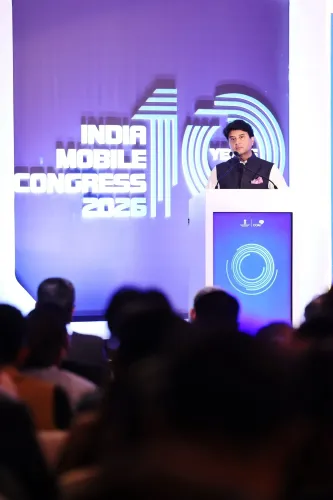
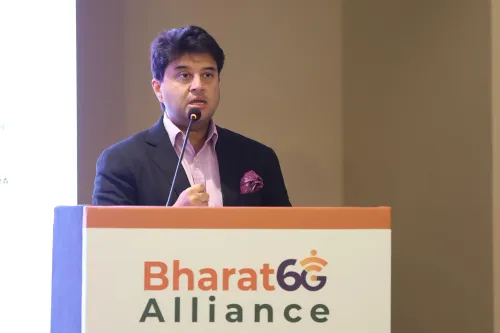
India is positioning itself as a key architect of next-generation telecom technology, with Communications Minister Jyotiraditya Scindia on Monday, 5 October 2026 announcing a national target of contributing 10 per cent of all global 6G patents and playing an active role in shaping international standards. The announcement came at the IFQM Symposium 2026 in New Delhi, where Scindia outlined India's strategic pivot from technology consumer to technology architect.
A Historic Shift in Telecom Strategy
For the first time in the history of mobile communications, India is moving away from simply adopting frameworks built by other nations. Scindia stated plainly: 'For the first time in the history of mobile communications, India is not merely following standards established by other countries. India is now becoming an active participant in the global standard-setting process.'
Notably, India had no meaningful role in setting standards during the 2G, 3G, 4G, and 5G eras, largely accepting frameworks developed abroad. The 6G generation marks a deliberate departure from that pattern.
From Standard Taker to Standard Maker
According to Scindia, India is evolving from being a 'standard taker' to a 'standard maker' and a developer of technology platforms. This reflects the country's expanding research and innovation capabilities, he said. India has already filed a number of patents linked to next-generation telecom technologies, though the minister did not specify an exact count.
The Bharat 6G Alliance is central to this push, working to strengthen India's position in the emerging technology landscape and helping secure a significant share of global intellectual property related to 6G. The 10 per cent patent target is part of a broader strategy to ensure India assumes a leadership role in the future digital economy.
Quality and Innovation as National Pillars
Beyond the 6G ambition, Scindia framed quality, innovation, and standardisation as critical pillars in achieving Viksit Bharat — the vision of a developed India by 2047. He said India's global reputation in the coming decades would depend not only on its manufacturing capabilities but also on the quality and reliability of its products and technologies.
The minister noted that India is witnessing the emergence of an ecosystem promoting excellence, quality standards, and innovation across industries, institutions, and supply chains — efforts he described as essential for enhancing India's competitiveness in global markets.
Implications for Global Technology Governance
The push goes beyond intellectual property accumulation. Scindia said the effort is aimed at strengthening India's influence in global technology governance and innovation. Countries that lead in standard-setting typically gain decisive commercial and regulatory advantages — a lesson India appears to have drawn from watching others shape the telecom landscape for the past four decades.
With international 6G standard-setting bodies still in early deliberation phases, India's window to establish itself as a founding voice remains open, but the pace of patent filing and alliance-building will be closely watched by industry observers in the months ahead.
Point of View
Given that international 6G bodies are still in formative stages. The harder question is whether patent volume will translate into actual standard adoption, which requires diplomatic capital and industry coalitions, not just research output. The Bharat 6G Alliance's ability to coordinate academia, industry, and government — and to engage bodies like ITU and 3GPP — will be the real test of whether this is a genuine inflection point or another aspirational headline.
NationPress
5 Oct 2026
Frequently Asked Questions
What is India's 6G patent target announced by Scindia?
India has set a target of contributing 10 per cent of all global 6G patents, as announced by Communications Minister Jyotiraditya Scindia on 5 October 2026. The goal is part of a broader strategy to ensure India plays a leadership role in the future digital economy and global technology governance.
What is the Bharat 6G Alliance?
The Bharat 6G Alliance is a body working to strengthen India's position in the emerging 6G technology landscape and to help the country secure a significant share of global intellectual property related to next-generation telecom. It is a key institutional vehicle for India's standard-setting ambitions.
Why was India not involved in setting 2G, 3G, 4G, or 5G standards?
According to Scindia, India largely adopted telecom frameworks developed by other countries during the 2G through 5G eras and was not an active participant in the global standard-setting process. The 6G generation represents the first deliberate effort to change that.
How does India's 6G ambition connect to Viksit Bharat 2047?
Scindia framed quality, innovation, and standardisation as critical pillars in achieving the vision of a developed India by 2047. He argued that India's global reputation in coming decades will depend not only on manufacturing capabilities but also on the quality and reliability of its technologies.
Where did Scindia make the 6G announcement?
Scindia made the announcement while speaking to media and addressing the IFQM Symposium 2026 in New Delhi on Monday, 5 October 2026.