PM Modi inaugurates 10th India Mobile Congress 2026, 5G to 6G in focus
Synopsis
The 10th India Mobile Congress, inaugurated by PM Modi in New Delhi, marks a coming-of-age moment for India's tech diplomacy — expanding from a telecom showcase to a nine-sector, 2,000-use-case platform covering 6G, quantum communication, industrial robotics and semiconductors, with 1.5 lakh attendees from over 100 countries watching for fresh policy signals.
Key Takeaways
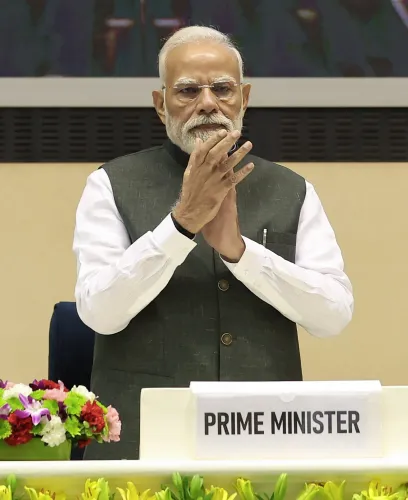
PM Narendra Modi inaugurated the 10th India Mobile Congress (IMC) 2026 in New Delhi on 8 October 2026 .
The four-day event runs from 7–10 October , organised jointly by DoT and COAI under the theme 'Scale Without Boundaries' .
IMC 2026 covers nine anchor sectors including 5G, 6G , semiconductors, quantum communication, and cyber security, plus four new domains : smart mobility, stadium experiences, industrial robotics, and transport technology.
The event is expected to attract more than 1.5 lakh attendees from over 100 countries , with 600+ startups and 900+ thought leaders .
Over 120 sessions and more than 2,000 technology use cases are on the agenda.
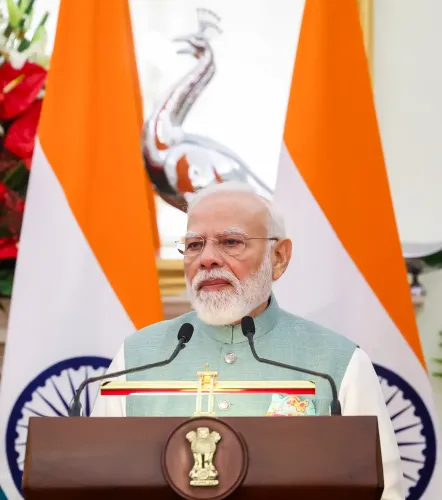
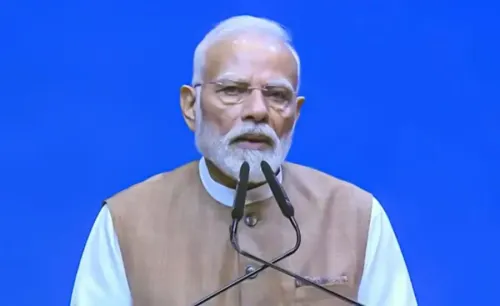
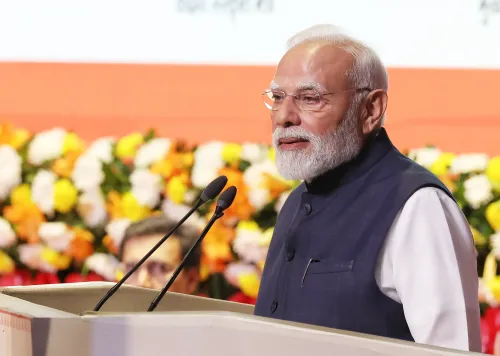
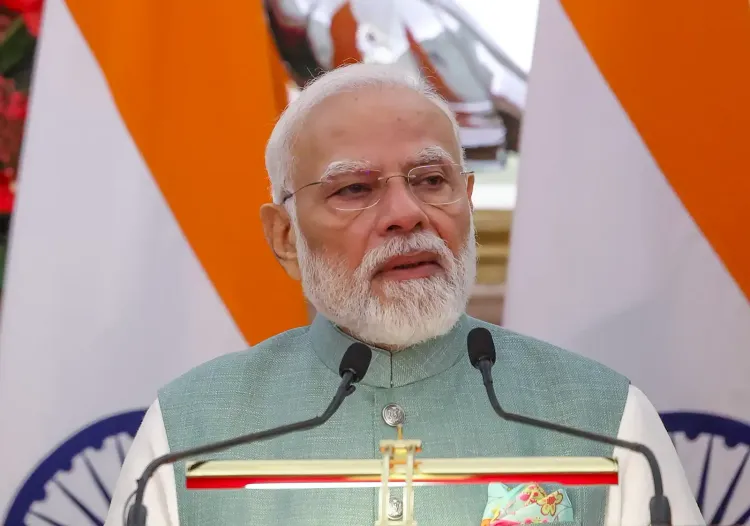
Prime Minister Narendra Modi on Thursday, 8 October 2026 inaugurated the 10th edition of the India Mobile Congress (IMC) 2026 in New Delhi, addressing participants at one of Asia's largest technology and telecommunications gatherings. The four-day event, running from 7 to 10 October, is jointly organised by the Department of Telecommunications (DoT) and the Cellular Operators Association of India (COAI) under the theme 'Scale Without Boundaries'.
Theme and Pillars of IMC 2026
According to the government, the theme 'Scale Without Boundaries' reflects India's expanding capabilities in digital innovation, next-generation connectivity, and technology-driven growth. The event is structured around four key pillars: Srishti (Building the Future), Samvardhan (Fueling Growth), Sashakt (Expanding Opportunities), and Suraksha (Strengthening Trust). Together, these pillars underline a deliberate effort to position India not merely as a consumer of global technology, but as a co-architect of the next digital order.
Key Sectors and New Focus Areas
IMC 2026 will cover nine anchor sectors, including 5G and 6G, next-generation AI networks, semiconductors, non-terrestrial networks, cyber security, quantum communication, enterprise transformation, circular economy and ESG, and electronics manufacturing. Notably, the congress has expanded its sectoral scope this year to include four new domains: smart mobility, stadium experiences, industrial robotics, and transport technology — signalling a deliberate shift toward applied, industry-specific deployment of advanced connectivity.
This broadening is significant. Earlier editions were primarily telco-centric; the 2026 programme acknowledges that 5G's real value lies in verticale integration — factories, transit systems, and live venues — rather than consumer handsets alone.
Scale of Participation
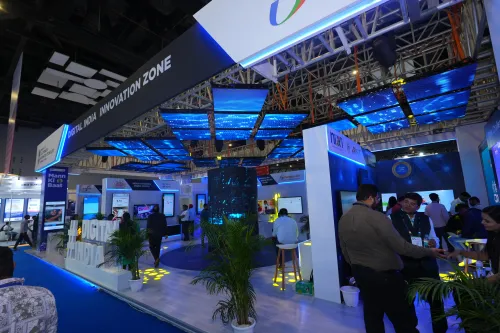
The event is expected to draw more than 1.5 lakh attendees from over 100 countries, alongside more than 500 partners and exhibitors, over 600 startups, and more than 900 thought leaders, according to the government. The programme includes over 120 sessions and will showcase more than 2,000 technology use cases, making it among the most content-dense editions since IMC's inception.
The congress is expected to bring together global technology leaders, policymakers, industry experts, investors, and innovators to examine emerging opportunities across the digital landscape — from quantum communication to resilient digital ecosystems.
Why IMC 2026 Matters
This comes amid India's accelerating 5G rollout, which has reached hundreds of districts since its commercial launch, and growing government ambitions in semiconductor manufacturing and AI infrastructure. The IMC platform has historically served as a launchpad for major policy signals — previous editions saw announcements on spectrum policy, PLI incentives for electronics, and telecom reform milestones. The 10th edition carries added weight as India positions itself ahead of the global 6G standards race, with domestic trials already underway.
The inclusion of semiconductors and quantum communication as anchor sectors also aligns with recent Union Budget allocations for deep-tech, underscoring a policy consensus that digital infrastructure is now a national security and economic competitiveness matter.
What to Watch
Observers will track whether Modi's address signals fresh policy commitments — particularly on 6G timelines, spectrum allocation, or satellite broadband regulation — areas where industry has sought clarity. Any announcements on the semiconductor mission's next phase or AI governance frameworks would also move the needle for investors and startups assembled at the event.
Point of View
Not consumer smartphones. What is worth scrutinising is whether the 1.5-lakh-attendee scale translates into actual investment commitments and policy clarity on spectrum and satellite broadband — the two regulatory gaps that have most frustrated the telecom and tech sectors going into this edition.
NationPress
8 Oct 2026
Frequently Asked Questions
What is the India Mobile Congress 2026?
The India Mobile Congress (IMC) 2026 is the 10th edition of Asia's largest technology and telecommunications event, held in New Delhi from 7 to 10 October 2026. Jointly organised by the Department of Telecommunications and COAI, it brings together global leaders across 5G, 6G, AI, semiconductors, and emerging tech sectors.
Who inaugurated IMC 2026 and when?
Prime Minister Narendra Modi inaugurated IMC 2026 on Thursday, 8 October 2026, in New Delhi, and addressed participants at the event.
What are the key sectors covered at IMC 2026?
IMC 2026 covers nine anchor sectors including 5G and 6G, next-generation AI networks, semiconductors, non-terrestrial networks, cyber security, quantum communication, enterprise transformation, circular economy and ESG, and electronics manufacturing. Four new domains — smart mobility, stadium experiences, industrial robotics, and transport technology — have been added this year.
How large is the India Mobile Congress 2026 in terms of participation?
The event is expected to draw more than 1.5 lakh attendees from over 100 countries, with more than 500 partners and exhibitors, over 600 startups, and more than 900 thought leaders. Over 120 sessions and 2,000-plus technology use cases are on the programme.
What is the theme of IMC 2026 and what does it signify?
The theme is 'Scale Without Boundaries,' which the government says reflects India's growing capabilities in digital innovation, next-generation connectivity, and technology-driven growth. It is built around four pillars: Srishti (Building the Future), Samvardhan (Fueling Growth), Sashakt (Expanding Opportunities), and Suraksha (Strengthening Trust).