PM Modi reaffirms India-Bhutan ties, cites Viksit Bharat vision
Synopsis
Prime Minister Narendra Modi publicly thanked Bhutanese PM Tshering Tobgay on 7 October 2026, reaffirming India-Bhutan ties rooted in mutual trust and linking bilateral cooperation to the Viksit Bharat vision and Bhutan's prosperity.
Key Takeaways
PM Narendra Modi responded publicly to a message from Bhutan PM Tshering Tobgay on 7 October 2026 .
Modi described the India-Bhutan partnership as 'enduring' and rooted in 'mutual trust and understanding.' The exchange explicitly links India's Viksit Bharat (Developed India by 2047) vision with the goal of a prosperous Bhutan .
Bhutan does not maintain formal ties with P5 nations, making India its primary strategic partner.
PM Tobgay returned to office in January 2024 , and his engagement with Modi signals leadership-level continuity in bilateral relations.
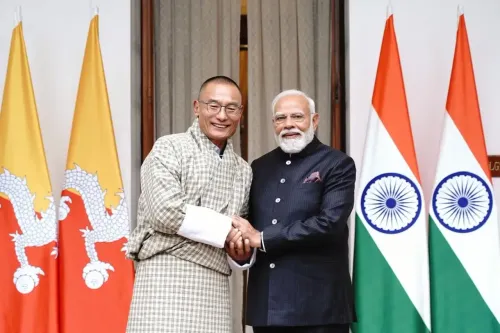
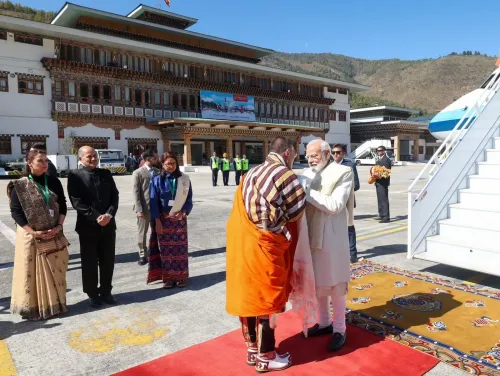
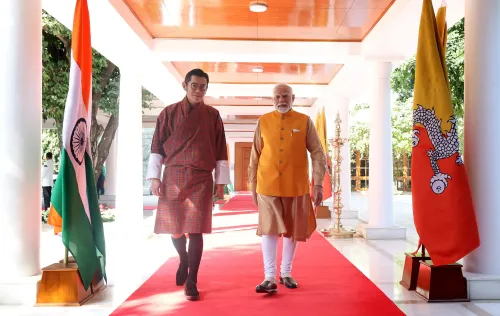
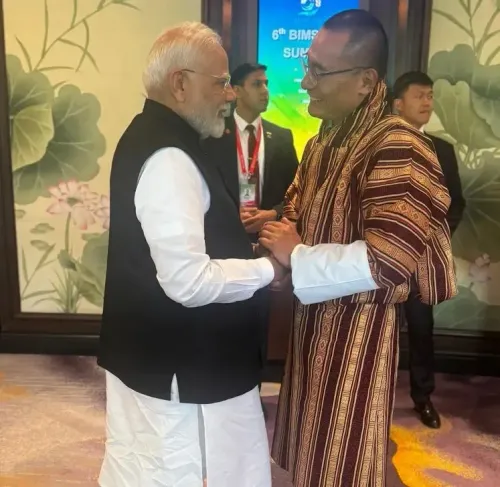
A warm exchange between two Himalayan neighbours carried quiet diplomatic weight on Wednesday, 7 October 2026, as Prime Minister Narendra Modi responded to a message from Bhutanese Prime Minister Tshering Tobgay, reaffirming what he called an 'enduring partnership rooted in mutual trust and understanding.'
Modi's reply on X linked India's domestic ambition directly to its neighbourhood policy, invoking the twin goals of a 'Viksit Bharat' — a Developed India — and a 'prosperous Bhutan' as a shared vision the two leaders intend to pursue together. The framing is notable: it places Bhutan inside India's long-term development arc rather than treating bilateral ties as a stand-alone diplomatic file.
Why India-Bhutan ties hold a special category
India and Bhutan share one of South Asia's most stable bilateral relationships, underpinned by the India-Bhutan Friendship Treaty and deep economic linkages — Bhutan's hydropower exports to India remain a cornerstone of its economy, and Indian development assistance has shaped infrastructure across the small kingdom. Unlike several other neighbours, Bhutan does not maintain formal diplomatic relations with the five permanent members of the UN Security Council, a structure that has historically kept New Delhi as Thimphu's primary strategic partner.
Prime Minister Tshering Tobgay, who returned to office in January 2024 after leading the People's Democratic Party to victory, has previously visited New Delhi and met Modi, emphasising continuity in bilateral engagement. His 'warm and heartfelt message' — the trigger for Modi's public reply — signals active high-level communication between the two governments.
Viksit Bharat as a regional frame
Modi's invocation of Viksit Bharat — his government's centrepiece vision of a fully developed India by 2047, the centenary of independence — alongside a 'prosperous Bhutan' reflects a deliberate diplomatic choice: anchoring neighbourhood policy to India's own developmental identity. It signals that New Delhi sees regional prosperity not as charity or strategic leverage, but as structurally intertwined with its own growth story.
The public nature of the exchange, posted to Modi's verified X account and tagging @tsheringtobgay, also functions as a visible signal to the broader region that the India-Bhutan channel remains warm, active, and personal at the leadership level.
In a neighbourhood where trust is frequently tested, the ease of this exchange speaks louder than the words alone.
Point of View
Including unresolved border negotiations, keeping the India-Bhutan channel visibly warm at the prime ministerial level serves both reassurance and deterrence. The invocation of a 'shared vision' rather than treaty obligations also reflects the Modi government's preference for personal, aspirational diplomacy over institutional formalism with close neighbours.
NationPress
7 Oct 2026
Frequently Asked Questions
What did PM Modi say about India-Bhutan relations?
PM Modi described India and Bhutan as bound by an 'enduring partnership rooted in mutual trust and understanding,' and said he looks forward to advancing a shared vision of Viksit Bharat and a prosperous Bhutan.
Who is Tshering Tobgay?
Tshering Tobgay is the Prime Minister of Bhutan, leading the People's Democratic Party. He returned to office in January 2024 after winning national elections.
What is Viksit Bharat?
Viksit Bharat — meaning 'Developed India' — is the Modi government's flagship vision of transforming India into a fully developed nation by 2047, the centenary of its independence.
Why is India's relationship with Bhutan considered special?
India and Bhutan share a Friendship Treaty, deep economic ties anchored by hydropower trade, and extensive development cooperation. Bhutan does not have formal diplomatic relations with the five permanent UN Security Council members, making India its principal strategic partner.
When did Modi post the message to Bhutan PM Tobgay?
PM Modi posted the public message on X on Wednesday, 7 October 2026.