PM Modi receives Bobbili Ekanda Veena, celebrates AP craft heritage
Synopsis
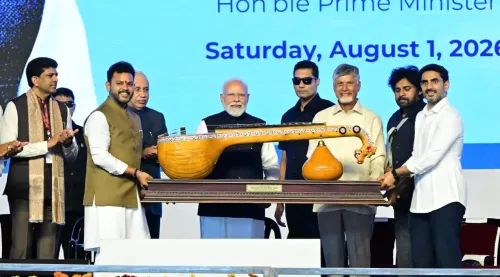
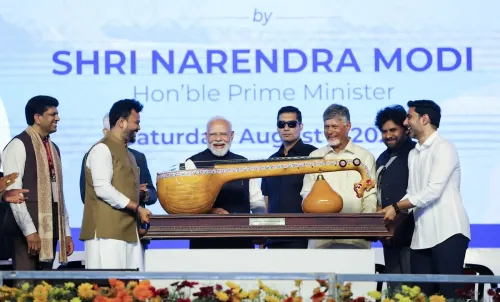
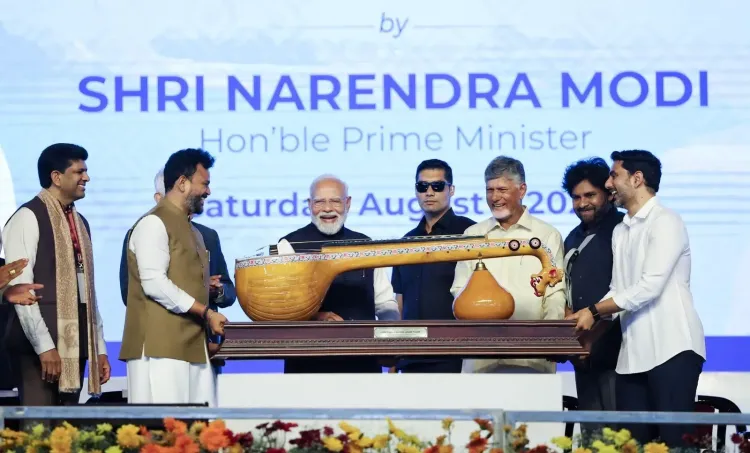
Prime Minister Narendra Modi received a Bobbili Ekanda Veena crafted in Bhogapuram, Andhra Pradesh, and praised it as a symbol of the state's artisan heritage. The GI-tagged, single-piece instrument is a cornerstone of Carnatic music, and Modi's post amplifies national attention on a craft that has survived for generations.
Key Takeaways
Prime Minister Narendra Modi received a Bobbili Ekanda Veena crafted in Bhogapuram, Vizianagaram district, Andhra Pradesh .
He posted about it in Telugu on 1 August 2026 , calling it a symbol of Andhra Pradesh artisans' unparalleled skill.
The Bobbili Veena is an ekanda (single-piece) instrument, carved entirely from one block of wood — a rare and demanding craft.
The instrument was granted a Geographical Indication (GI) tag in 2009 , protecting its origin and authenticity.
The Bobbili Veena is a recognised cornerstone of Carnatic classical music .
Modi periodically uses social media to highlight India's regional crafts, drawing national attention without necessarily announcing new schemes.
A centuries-old instrument, carved from a single piece of wood by artisans in Andhra Pradesh, found its way into the hands of Prime Minister Narendra Modi — and he made sure the country knew about it. On Saturday, 1 August 2026, Modi shared his delight at receiving a Bobbili Ekanda Veena, a masterpiece of traditional craftsmanship from Bhogapuram in Vizianagaram district.
Posting in Telugu, the Prime Minister wrote: 'Bhogapuramlo atyanta naipunyamto hasta kalato rooponchincha Bobbili Ekanda Veenannu andukovandam entho anandamga undi' — 'It is a matter of great joy to receive the Bobbili Ekanda Veena, crafted with extraordinary skill and artisanship in Bhogapuram.' He added that the Veena holds a 'distinguished place in Indian musical traditions' and is a symbol of the 'unparalleled skill of Andhra Pradesh's artisans,' offering his congratulations to all who are preserving the state's culture.
What makes the Bobbili Veena irreplaceable
The Bobbili Veena is not an ordinary instrument. Named after the town of Bobbili in Andhra Pradesh, it is a large, one-piece (ekanda) instrument — meaning the entire body, neck, and resonator are carved from a single block of wood, typically jackwood. This construction demands a level of woodworking precision that takes generations to master. The instrument is a cornerstone of Carnatic classical music, prized for its rich, resonant tone that no factory-assembled alternative can replicate. Recognising its irreplaceable cultural value, the Indian government granted the Bobbili Veena a Geographical Indication (GI) tag in 2009 — a legal shield that certifies its origin and protects it from imitation. GI status places it alongside products like Darjeeling tea and Kanchipuram silk as a certified emblem of Indian heritage.Modi's pattern of spotlighting regional crafts
This gesture fits a consistent pattern in Modi's public communication: using social media to amplify India's regional artistic traditions, from tribal textiles to classical instruments, without necessarily announcing new policy. The posts serve as a soft-power spotlight — drawing national attention to crafts that often survive on the margins of the mainstream economy. For Andhra Pradesh's artisan communities and Carnatic musicians who depend on the Bobbili Veena's continued relevance, a mention from the Prime Minister's handle carries weight that no advertisement budget can buy. Whether it translates into state-level follow-through — a festival, an export push, an artisan welfare scheme — remains the question that craftspeople in Bhogapuram will be watching.Point of View
High-visibility act of cultural diplomacy directed at Andhra Pradesh — a state of significant electoral and coalition importance. By posting in Telugu and foregrounding artisan skill rather than government policy, he sidesteps any political ask while building goodwill with a regional audience. The Bobbili Veena's GI status gives the gesture a policy anchor without requiring fresh spending. The real test is whether state or central agencies follow with tangible support for the craftspeople who keep this tradition alive.
NationPress
16 Sept 2026
Frequently Asked Questions
What is a Bobbili Ekanda Veena?
The Bobbili Ekanda Veena is a large, traditional Indian string instrument carved from a single piece of jackwood, named after the town of Bobbili in Andhra Pradesh. 'Ekanda' means single-piece, referring to the one-block construction that sets it apart from assembled veenas.
Why did PM Modi receive a Bobbili Veena?
Prime Minister Narendra Modi received a Bobbili Ekanda Veena crafted in Bhogapuram, Andhra Pradesh, and shared his joy about it on social media on 1 August 2026, praising the artisans' skill and the instrument's place in Indian musical tradition.
Does the Bobbili Veena have a GI tag?
Yes. The Bobbili Veena was granted a Geographical Indication (GI) tag in 2009 by the Indian government, certifying its unique origin in Andhra Pradesh and protecting it from imitation.
What is the significance of the Bobbili Veena in Indian music?
The Bobbili Veena is a cornerstone of Carnatic classical music, prized for its deep, resonant tone. Its single-piece construction requires rare woodworking expertise passed down through generations of artisans in Andhra Pradesh.
Where is the Bobbili Veena made?
The Bobbili Veena is traditionally made in Bobbili town, Andhra Pradesh. The veena received by PM Modi was crafted in Bhogapuram, a mandal in the Vizianagaram district of Andhra Pradesh.