PM Modi shares Sanskrit verse on compassion and contentment

Synopsis
Prime Minister Narendra Modi posted a Sanskrit verse and Hindi reflection on 24 August 2026, linking compassion and contentment to self-respect, happiness, and social harmony — continuing his consistent use of classical Indian thought on social media.
Key Takeaways
PM Modi posted in Hindi and Sanskrit on 24 August 2026 , reflecting on compassion and contentment.
The Hindi message states: 'From compassion comes self-respect, and from contentment comes true happiness.' The Sanskrit verse advises conquering ego through compassion, desire through contentment, sloth through effort, and doubt through resolve.
The post continues a long-standing pattern of Modi sharing classical Indian philosophical content on social media.
No specific policy event or occasion was linked to the post.
A philosophical note arrived from Prime Minister Narendra Modi on Monday, 24 August 2026 — not a policy announcement, not a political salvo, but a Sanskrit verse paired with a Hindi reflection on the quiet virtues that bind society together.
Posting in Hindi, the Prime Minister wrote: 'Karuna se atma-samman aur santosh se sachchi khushi milti hai' — 'From compassion comes self-respect, and from contentment comes true happiness.' He added that this spirit is what strengthens the threads of cooperation and harmony in society.
The Sanskrit couplet he quoted translates broadly as: 'Conquer ego through compassion, conquer desire through contentment, conquer sloth through effort, and conquer doubt through resolve.' The verse frames inner discipline as the foundation of a well-ordered life and, by extension, a well-ordered society.
A recurring thread in Modi's digital presence
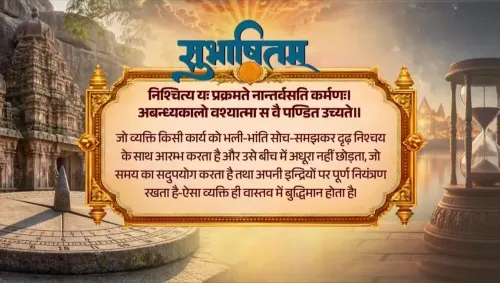
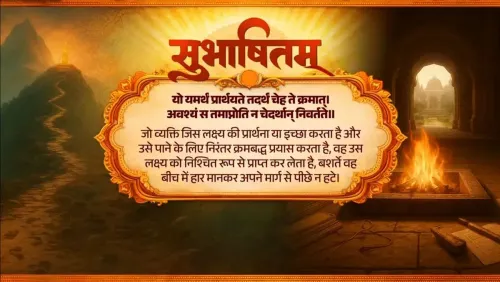
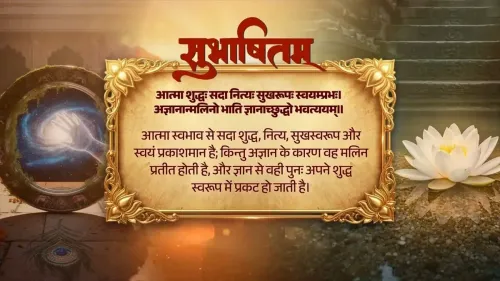
This post fits a deliberate and consistent pattern. Modi has periodically used his social-media presence to share classical Indian philosophical thought — Sanskrit shlokas, ethical maxims, and reflections drawn from texts spanning centuries of Indian intellectual tradition. These posts sit alongside official announcements, functioning as a kind of moral commentary on public life.
The themes are familiar: compassion, self-restraint, social harmony. What changes is the verse and the precise framing. Together they construct a public persona that positions the Prime Minister not just as an administrator but as a communicator of civilisational values — a role he has consciously cultivated since well before 2014.
Whether the post is tied to a specific occasion or event is not confirmed. It stands on its own as a cultural statement — one that asks nothing of the reader except a moment of reflection.
In an era of relentless political noise, a Prime Minister pausing to quote classical Sanskrit is itself a signal — that some messages are meant to outlast the news cycle.
Point of View
Reinforcing a civilisational framing of Indian identity that runs parallel to his governance agenda. By anchoring moral values in Sanskrit verse, he signals continuity with classical Indian thought while keeping the message accessible through Hindi translation. This dual-register approach — ancient text, modern platform — has become a recognisable brand element. The posts rarely demand a policy response, which is precisely their political utility: they generate cultural resonance without opening a line of attack.
NationPress
9 Oct 2026
Frequently Asked Questions
What did PM Modi post on 24 August 2026?
PM Modi posted a Hindi reflection and a Sanskrit verse emphasising that compassion leads to self-respect, contentment brings true happiness, and these values strengthen social harmony.
What does the Sanskrit verse in Modi's post mean?
The verse broadly translates as: 'Conquer ego through compassion, conquer desire through contentment, conquer sloth through effort, and conquer doubt through resolve.'
Why does Modi regularly post Sanskrit shlokas on social media?
It is part of a consistent pattern through which the Prime Minister uses his platform to highlight classical Indian ethical and cultural values alongside official announcements.
Is Modi's philosophical post linked to any specific event or policy?
No specific event or policy occasion has been confirmed in connection with this post. It appears to be a standalone cultural and philosophical statement.
What language did Modi use in the 24 August 2026 post?
The post was written primarily in Hindi, with a Sanskrit verse included — a format Modi uses regularly for philosophical and cultural messages.