PM Modi Views Slovak Children's Art Inspired by Panchatantra
Synopsis
During his bilateral visit to Slovakia on 15 June 2026, Prime Minister Narendra Modi and Slovak PM Robert Fico viewed a collection of paintings by Slovak schoolchildren inspired by India's Panchatantra and Jataka tales, highlighting India's cultural soft-power outreach in Central Europe.
Key Takeaways
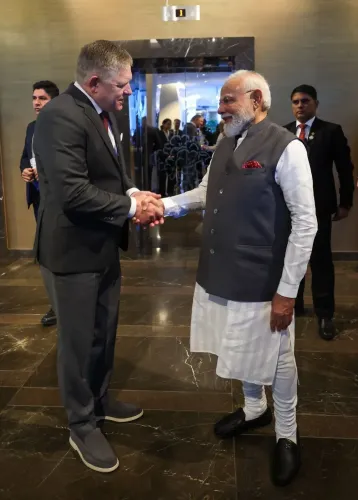
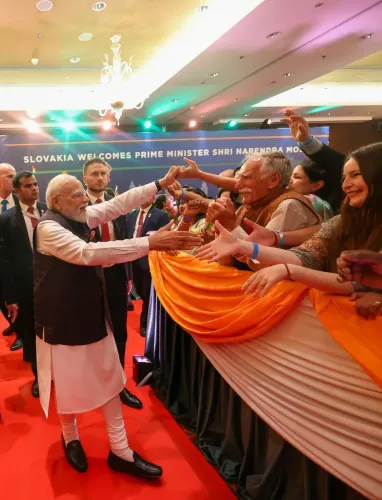
PM Modi visited Slovakia and attended a ceremonial welcome hosted by Prime Minister Robert Fico on 15 June 2026 .
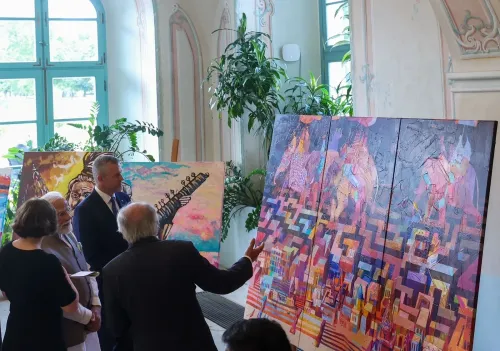
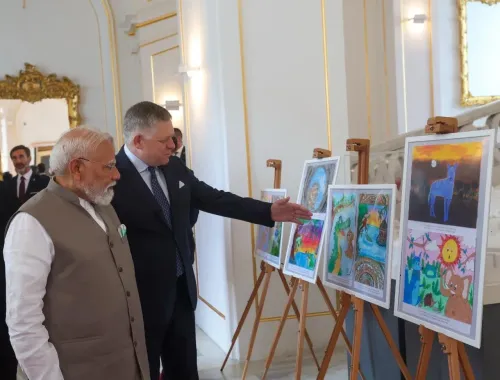
Slovak schoolchildren from across Slovakia created a collection of paintings inspired by stories from the Panchatantra and Jataka texts.
PM Modi posted in Slovak on X, signalling deliberate local-audience outreach during the diplomatic visit.
India and Slovakia have maintained diplomatic relations since 1993 , with cultural ties forming a growing pillar of the bilateral relationship.
The initiative reflects India's broader pattern of deploying classical literary soft power during high-level European visits.
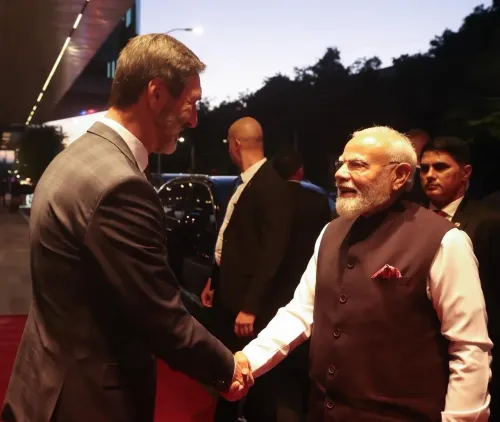
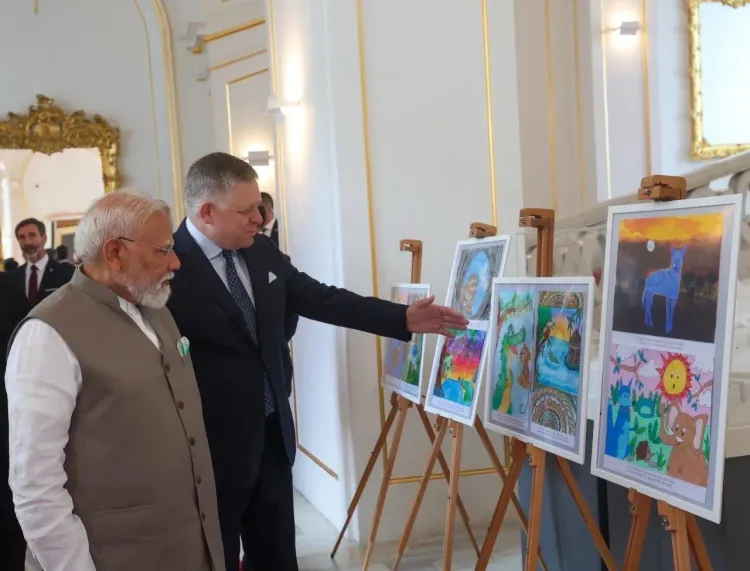
Prime Minister Narendra Modi, on Monday, 15 June 2026, shared his appreciation for the growing global reach of Indian art and culture after viewing a collection of paintings created by Slovak schoolchildren during his bilateral engagement in Slovakia. The artworks, inspired by stories from the ancient Indian texts Panchatantra and Jataka, were presented to PM Modi and Slovak Prime Minister Robert Fico following a ceremonial welcome.
Context
Writing in Slovak on X, PM Modi expressed that he was pleased to see Indian art and culture gaining popularity across the world — 'Teší ma, že indické umenie a kultúra si získavajú popularitu po celom svete' ('I am glad that Indian art and culture are gaining popularity around the world'). He noted that after the ceremonial welcome, he and Prime Minister Fico together viewed the collection of paintings made by Slovak children from across Slovakia, works described as inspired by the fables of Panchatantra and Jataka.
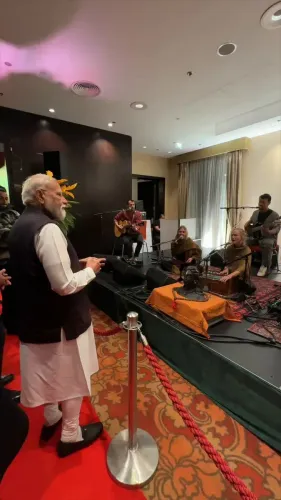
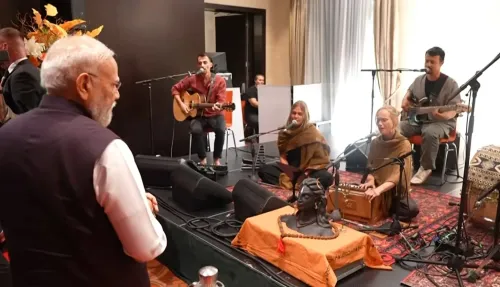
The post was accompanied by two images, presumably showing the artwork or the viewing event. The use of Slovak in the post itself signals a deliberate outreach to the local audience, a practice PM Modi has employed on several diplomatic visits.
Policy Backdrop
India and Slovakia formalised diplomatic relations in 1993, following Slovakia's independence from Czechoslovakia. While trade and strategic ties have remained modest, New Delhi has increasingly used cultural soft power as a bridge-building tool with Central European nations.
The Panchatantra, an ancient Indian anthology of moral fables dating back roughly 2,000 years, has been widely translated across Eurasia and is considered one of the most widely travelled literary works of the ancient world. The Jataka tales, rooted in Buddhist tradition, similarly carry cross-civilisational resonance. Deploying these texts as the inspiration for a local children's art project reflects a deliberate effort to build familiarity with Indian civilisation beyond transactional diplomacy.
This approach follows a recurring pattern on PM Modi's European visits, where reciprocal cultural gestures — local performances, Indian classical presentations, or community events — accompany the formal bilateral agenda.
Stakeholders and Impact
Slovak schoolchildren from across the country contributed to the artwork collection, making them direct participants in an act of cultural diplomacy. Their engagement with Panchatantra and Jataka stories signals that Indian classical narratives are finding educational traction in Central Europe.
Cultural diplomacy officials on both sides stand to benefit from the visibility this moment generates. For India, it reinforces the soft-power dimension of its European outreach. For Slovakia, it positions the country as an engaged partner in people-to-people ties with one of the world's largest democracies.
What's Next
The broader bilateral visit is expected to cover areas beyond culture, though specific agreements signed during the June 2026 engagement have not been confirmed. Observers will watch for any follow-up announcements of joint cultural calendars, educational exchange programmes, or institutional partnerships that may emerge from the visit.
If formalised, such programmes could give the children's art initiative lasting institutional form — moving India-Slovakia cultural ties from a diplomatic gesture to a structured people-to-people framework.
Point of View
Designed to resonate with a domestic Slovak audience as much as with Indian followers. The Panchatantra-and-Jataka framing is not incidental: it positions India as a civilisational source rather than merely a trade partner, a narrative New Delhi has refined across multiple European engagements. Pairing a Slovak PM with schoolchildren's artwork is a low-cost, high-visibility cultural gesture that is difficult to critique and easy to amplify. The visit fits a broader Modi-era template of layering soft power onto every bilateral meeting, building long-term familiarity that can underpin future strategic or economic asks.
NationPress
19 Sept 2026
Frequently Asked Questions
Why did PM Modi visit Slovakia in June 2026?
PM Modi visited Slovakia for a bilateral engagement with Prime Minister Robert Fico, which included a ceremonial welcome and a cultural exchange involving Slovak children's artwork inspired by Indian classical texts.
What is the Panchatantra and why is it significant?
The Panchatantra is an ancient Indian collection of moral fables, roughly 2,000 years old, that has been translated across Eurasia and is considered one of the most widely travelled literary works of the ancient world.
What are the Jataka tales?
The Jataka tales are stories rooted in Buddhist tradition, recounting the previous lives of the Buddha. Like the Panchatantra, they carry cross-civilisational resonance and have been adapted in many cultures.
When did India and Slovakia establish diplomatic relations?
India and Slovakia formalised diplomatic relations in 1993, following Slovakia's independence from Czechoslovakia.
Why did PM Modi write his post in Slovak?
PM Modi posted in Slovak as a deliberate outreach gesture to the local Slovak audience, a practice he has used on several diplomatic visits to signal respect for the host country's language and culture.