PM Modi, Slovakia's Fico View Panchatantra-Inspired Paintings
Synopsis
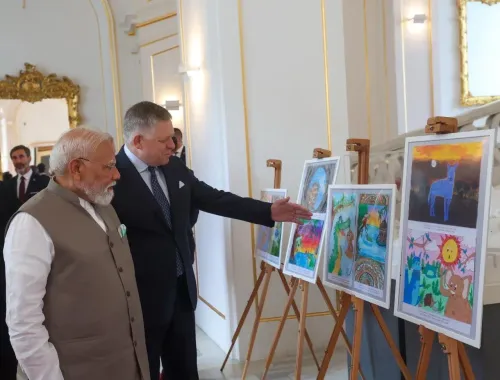
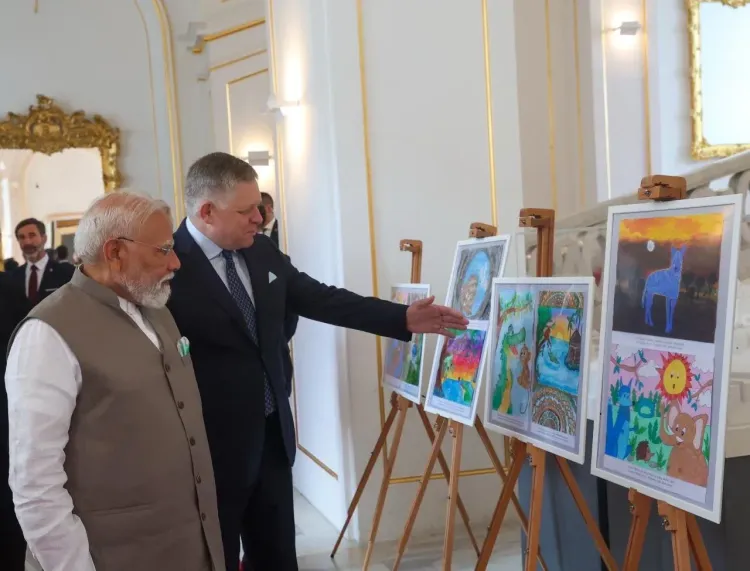
During his bilateral visit to Slovakia on 15 June 2026, Prime Minister Narendra Modi and Slovak PM Robert Fico viewed paintings by Slovak children inspired by India's Panchatantra and Jataka tales, highlighting Indian cultural soft power in Central Europe.
Key Takeaways
PM Modi and Slovak PM Robert Fico viewed a collection of paintings by Slovak children during a bilateral visit on 15 June 2026 .
The paintings drew inspiration from India's classical Panchatantra and Jataka tales , two of the oldest narrative traditions in Indian civilisation.
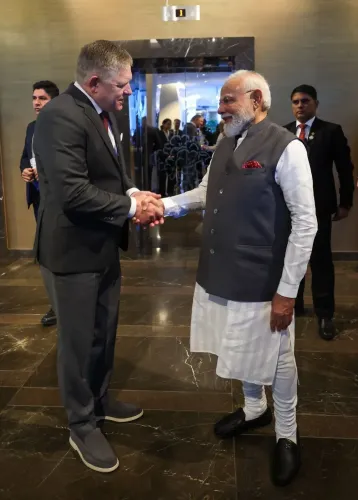
The cultural showcase followed a formal ceremonial welcome, forming part of the broader India-Slovakia bilateral summit programme.
India and Slovakia have maintained diplomatic relations since 1993 , with cultural and economic ties gaining renewed focus after 2014 .
The event reflects PM Modi 's consistent use of cultural diplomacy to advance India's soft power during high-level foreign visits.
Possible follow-up cultural exchange programmes or joint exhibitions between the two countries may be announced in the wake of the summit.
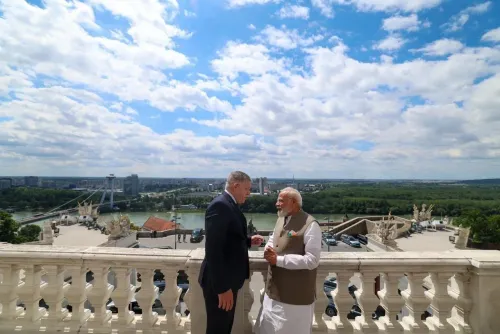
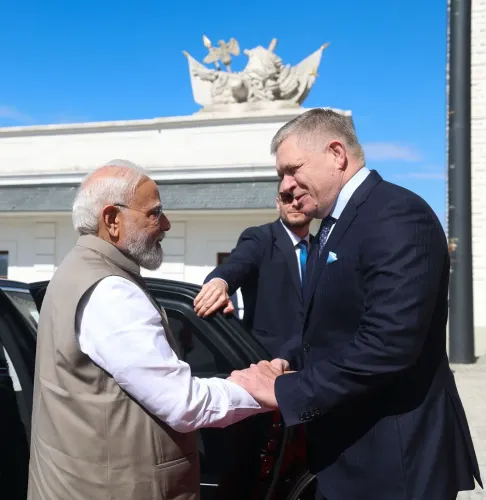
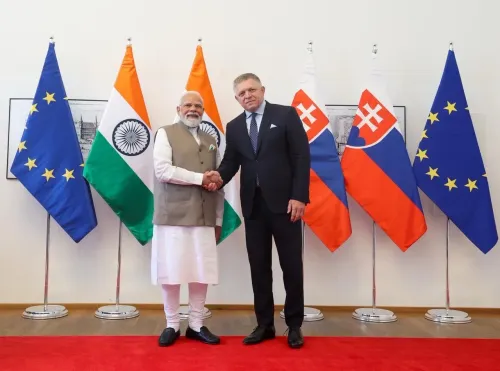
Prime Minister Narendra Modi, during his bilateral visit to Slovakia on Monday, 15 June 2026, joined Slovak Prime Minister Robert Fico in viewing a special collection of paintings created by children from across Slovakia, inspired by India's ancient Panchatantra and Jataka tales. The viewing followed a ceremonial welcome and underscored the cultural dimension of the India-Slovakia engagement.
Sharing his impressions on X, PM Modi wrote: 'It is gladdening to see Indian art and culture become popular globally. Following the ceremonial welcome this morning, PM Fico and I saw a collection of paintings created by Slovak children from across Slovakia. Drawing inspiration from the Panchatantra and Jataka tales...'
Context
The exhibition of paintings by Slovak schoolchildren, drawing on two of India's most celebrated classical narrative traditions, formed a centrepiece of the cultural programme accompanying the bilateral summit. The Panchatantra — a Sanskrit compendium of fables dating back over two millennia — and the Jataka tales, rooted in Buddhist tradition, have long served as touchstones of Indian civilizational storytelling. Their appearance in a European classroom setting signals a meaningful reach of Indian soft power.
India and Slovakia have maintained diplomatic relations since 1993, with ties spanning economic cooperation, trade, and people-to-people exchanges. The Modi government, since taking office in 2014, has placed renewed emphasis on promoting ancient Indian texts and cultural heritage through global outreach and educational programmes.
Policy Backdrop
Cultural diplomacy has been a consistent thread in PM Modi's foreign engagements, particularly with European partners. High-level visits have repeatedly featured showcases of Indian art, classical literature, and civilizational heritage as instruments of long-term public diplomacy, complementing strategic and economic conversations.
The promotion of texts such as the Panchatantra and Jataka tales through international festivals and educational outreach has been a stated objective of India's cultural foreign policy. Featuring these works in a bilateral summit with a Central European nation reinforces India's broader ambition to embed its civilizational narratives in global cultural consciousness.
Stakeholders and Impact
The most immediate participants are the Slovak children whose artwork was displayed — a grassroots signal that Indian literary traditions have found resonance in Slovak classrooms and cultural organisations. For India, the exhibition represents a form of people-to-people diplomacy that transcends formal governmental channels.
Cultural organisations on both sides stand to benefit from heightened visibility. For Slovakia, the engagement offers an opportunity to deepen ties with one of the world's largest democracies and a growing economic power, while for India it extends its narrative footprint in Central Europe ahead of broader India-EU discussions.
What's Next
Observers will watch for any formal cultural exchange programmes or joint exhibition announcements emerging from the Modi-Fico summit. Such initiatives, if formalised, could lead to structured educational partnerships centred on classical Indian literature in Slovak schools.
The visit is also likely to be referenced in future India-EU diplomatic conversations as an example of bilateral people-to-people engagement. PM Modi's consistent championing of India's civilizational heritage on global stages suggests this cultural moment in Bratislava will be woven into India's broader soft-power narrative going forward.
Point of View
From the Panchatantra to the Upanishads, as reference points in global forums, and featuring them in Slovak schoolchildren's artwork elevates that strategy to a grassroots level. For a country seeking strategic partnerships across Central Europe beyond the traditional big-power axis, such cultural moments build durable goodwill that outlasts any single summit. The optics of PM Fico standing alongside PM Modi to appreciate this work also signals Slovakia's willingness to engage India as a civilizational partner, not merely a trade counterpart.
NationPress
22 Sept 2026
Frequently Asked Questions
Why did PM Modi visit Slovakia in June 2026?
PM Modi visited Slovakia for a bilateral summit with Prime Minister Robert Fico , covering areas including cultural cooperation and economic ties. The visit included a ceremonial welcome and a viewing of paintings by Slovak children inspired by Indian classical texts.
What are the Panchatantra and Jataka tales?
The Panchatantra is an ancient Sanskrit collection of animal fables offering moral and practical wisdom, dating back over two millennia. The Jataka tales are Buddhist narratives recounting the past lives of the Buddha , both forming cornerstones of India's classical literary heritage.
What is India's relationship with Slovakia?
India and Slovakia have maintained diplomatic relations since 1993 , with ties spanning trade, economic cooperation, and people-to-people exchanges. Bilateral engagement has seen renewed momentum since 2014 under the Modi government 's emphasis on cultural and economic outreach.
How does PM Modi use cultural diplomacy in foreign visits?
PM Modi has consistently incorporated showcases of Indian art, classical literature, and civilizational heritage into high-level foreign visits as a form of soft power. Initiatives promoting texts like the Panchatantra and Jataka tales globally have been a feature of India's cultural foreign policy since 2014 .
What could follow from the Modi-Fico summit on culture?
Analysts expect possible announcements of formal cultural exchange programmes or joint exhibitions between India and Slovakia following the summit. Such initiatives could include structured educational partnerships introducing classical Indian literature into Slovak schools.