Modi's I-Day vision for agri, pharma, yoga cheered in Chhattisgarh
Synopsis
Modi's Independence Day address landed with unusual resonance in Chhattisgarh — a state where millets, GI-tagged produce, and traditional wellness practices are everyday realities. Traders in Kawardha see a direct line between the PM's global export vision and local opportunity, but the gap between Red Fort rhetoric and rural supply-chain readiness remains the real test.
Key Takeaways
PM Narendra Modi's Independence Day speech on 15 August called for taking Indian agriculture, pharma, banking, legal services, Yoga, and Ayurveda to global markets.
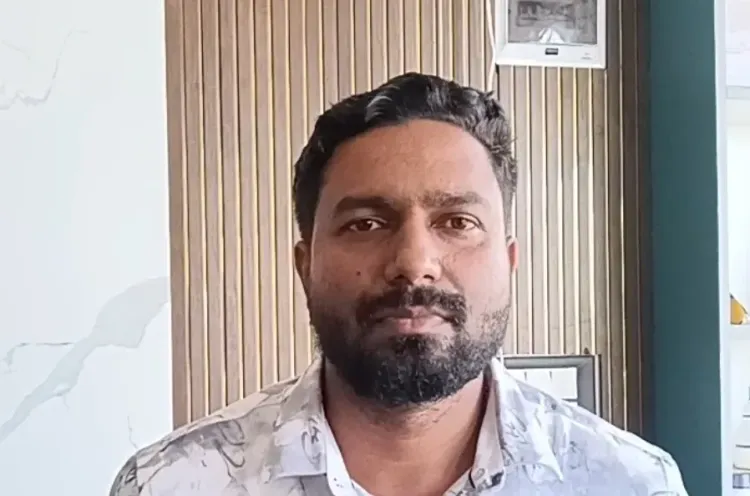
Agricultural trader Bhushan Singh Thakur of Kawardha highlighted the export potential of Chhattisgarh's millets and GI-tagged products.
Pharma trader Mukesh Devangan said the push could attract investment and drive job creation in smaller cities.
Yoga teacher Rohit Jaiswal welcomed Modi's framing of Yoga and Ayurveda as India's soft power.
Analysts say Chhattisgarh's agri-dependent economy stands to gain directly if export infrastructure and GI-product promotion are scaled up.
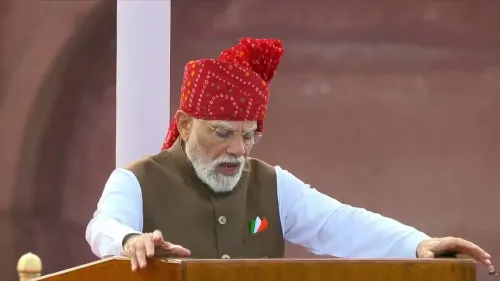
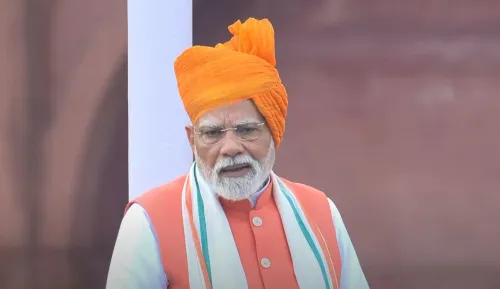
Prime Minister Narendra Modi's Independence Day address on 15 August has sparked an optimistic response across Chhattisgarh, with traders, businessmen, and wellness practitioners welcoming his call to elevate Indian agriculture, pharmaceuticals, banking, legal services, Yoga, and Ayurveda onto the global stage. The speech, delivered from the Red Fort, is being seen in the state as a blueprint for export-led growth and sectoral expansion.
Farmers and Agri Traders See Export Opportunity
Agricultural trader Bhushan Singh Thakur of Kawardha welcomed the Prime Minister's emphasis on expanding the global reach of Indian farm produce. He pointed out that Chhattisgarh's millets, traditional food products, and GI-tagged items hold strong potential in overseas markets, provided they are supported by proper packaging and consistent quality standards.
Thakur said that a sustained push on agricultural exports could open new trade corridors and generate fresh opportunities for farmers and agri-businesses alike. Notably, Chhattisgarh has been expanding its millet cultivation under central schemes, making Modi's export focus particularly relevant for the state's farming community.
Pharma and Services Sector Response
Pharma trader Mukesh Devangan said the Prime Minister's call to make India's banking, legal services, and pharmaceutical sectors globally competitive could attract increased investments into these industries. He added that such a push carries the potential to drive job creation and make a measurable dent in unemployment — a concern that remains acute in smaller cities and semi-urban districts across the state.
This comes amid India's pharmaceutical sector already ranking among the world's top generic drug exporters. Analysts note that targeted policy support could accelerate India's move up the value chain from generics to patented formulations and biologics.
Yoga and Ayurveda as India's Soft Power
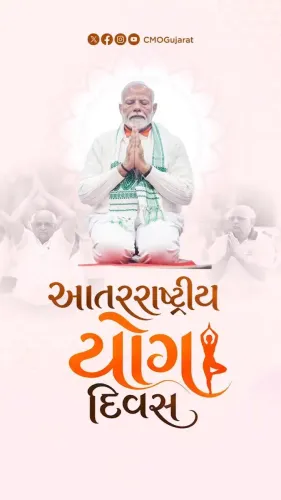
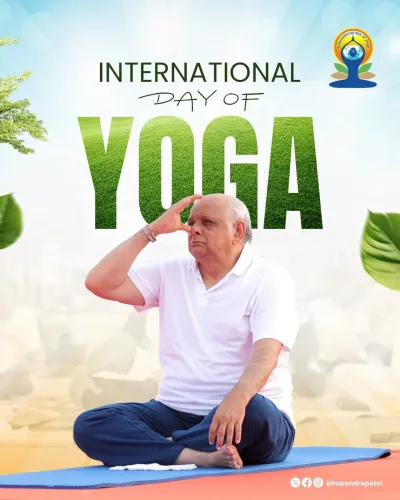
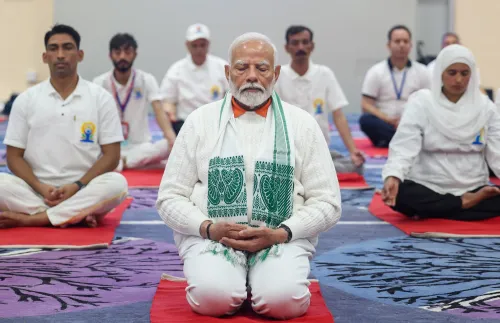
Yoga teacher Rohit Jaiswal praised the Prime Minister's framing of Yoga and Ayurveda as instruments of India's soft power. He said both disciplines carry deep cultural significance and expressed full support for efforts to promote the country's traditional wellness systems on the international stage.
Jaiswal congratulated Modi for highlighting these traditions at a national platform, noting that global interest in Yoga has surged in recent years, with the United Nations International Day of Yoga now observed in over 190 countries.
Broader Significance for Chhattisgarh
According to analysts, the reactions from Kawardha's trading community reflect a broader alignment in Chhattisgarh with the Centre's emphasis on globalising Indian agriculture and traditional products while strengthening key economic sectors. The state, which has historically relied on rice cultivation and forest produce, stands to benefit directly if agri-export infrastructure and GI-product promotion are scaled up.
Whether the vision translates into concrete policy timelines and state-level implementation mechanisms will determine the on-ground impact for Chhattisgarh's farmers and small businesses.
Point of View
But it also underscores a familiar gap: the distance between a Red Fort vision and a rural supply chain that can actually deliver export-quality produce. Chhattisgarh's GI-tagged products and millet varieties have real global appeal, yet cold-chain infrastructure, packaging capacity, and market linkages remain underdeveloped. Modi's speech sets an aspiration; the harder question is whether state governments and central ministries will fund the unglamorous logistics that make export visions real. Soft power through Yoga is easier to project than hard export competitiveness in agriculture.
NationPress
30 Sept 2026
Frequently Asked Questions
What did PM Modi say about agriculture and exports in his Independence Day speech?
Prime Minister Narendra Modi called for expanding the global reach of Indian agricultural products, alongside strengthening sectors such as pharmaceuticals, banking, legal services, Yoga, and Ayurveda. The speech was delivered on 15 August from the Red Fort and drew positive reactions from traders in Chhattisgarh.
Why is Chhattisgarh particularly interested in Modi's agri-export vision?
Chhattisgarh has a strong base of millets, traditional food products, and GI-tagged produce that traders believe can find overseas markets with proper packaging and quality support. The state's economy is heavily dependent on agriculture, making the PM's export push directly relevant to local farmers and businesses.
How did Chhattisgarh's pharma sector respond to Modi's speech?
Pharma trader Mukesh Devangan said the focus on making India's pharmaceutical and services sectors globally competitive could attract fresh investment and create jobs. He noted it could help address unemployment in smaller cities and semi-urban areas.
What is the significance of Modi calling Yoga and Ayurveda India's soft power?
Framing Yoga and Ayurveda as soft power signals a policy intent to promote these disciplines internationally as cultural and economic assets. The United Nations International Day of Yoga is already observed in over 190 countries, giving India a strong platform to build on.
What needs to happen for Modi's vision to benefit Chhattisgarh's farmers?
Analysts say concrete gains for Chhattisgarh depend on scaling up agri-export infrastructure, GI-product promotion, cold-chain logistics, and packaging capacity at the state level. Without these, the PM's global vision may not translate into measurable on-ground impact for local farmers and small businesses.